What plea bargaining is, and why most cases never reach trial
Plea agreements resolve the overwhelming majority of American criminal cases. Here is how the negotiation works, what a defendant gives up, and why judges must still approve the deal.
Plea agreements resolve the overwhelming majority of American criminal cases. Here is how the negotiation works, what a defendant gives up, and why judges must still approve the deal.



Bail is not a fine or a punishment — it's a court's mechanism for balancing a defendant's presumed innocence against the risk of flight, built on a federal framework and a patchwork of state processes.
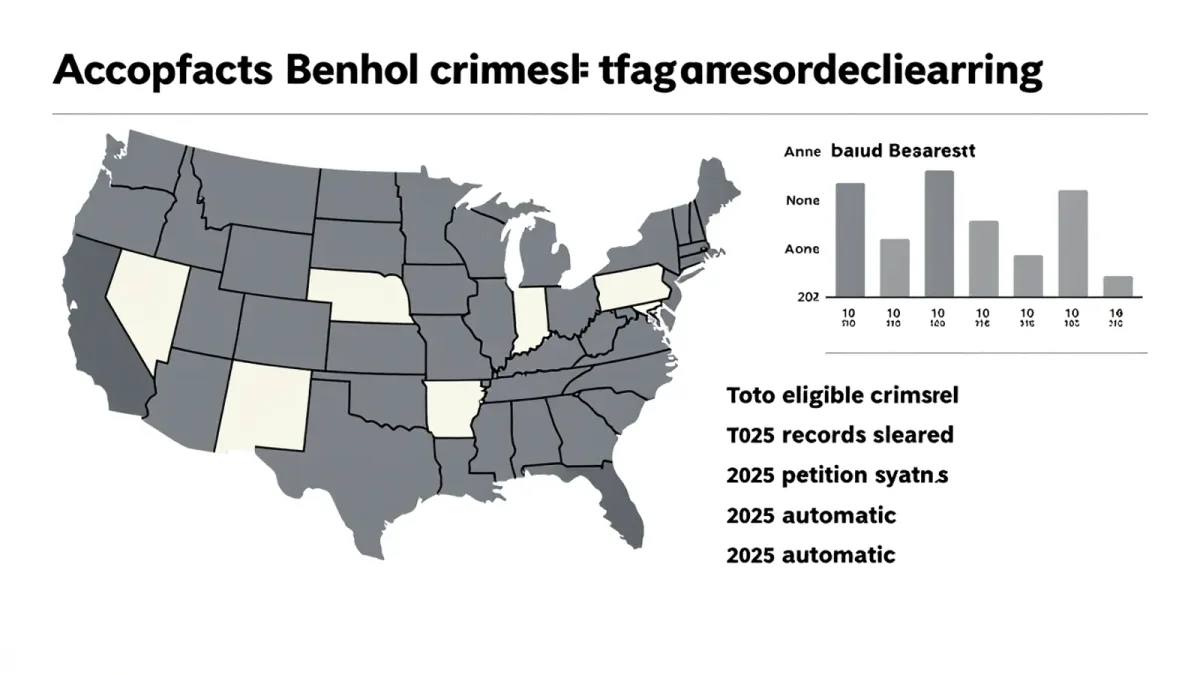
States increasingly erase or seal old criminal records automatically — but eligibility lines are drawn by offense type, waiting period, and jurisdiction.
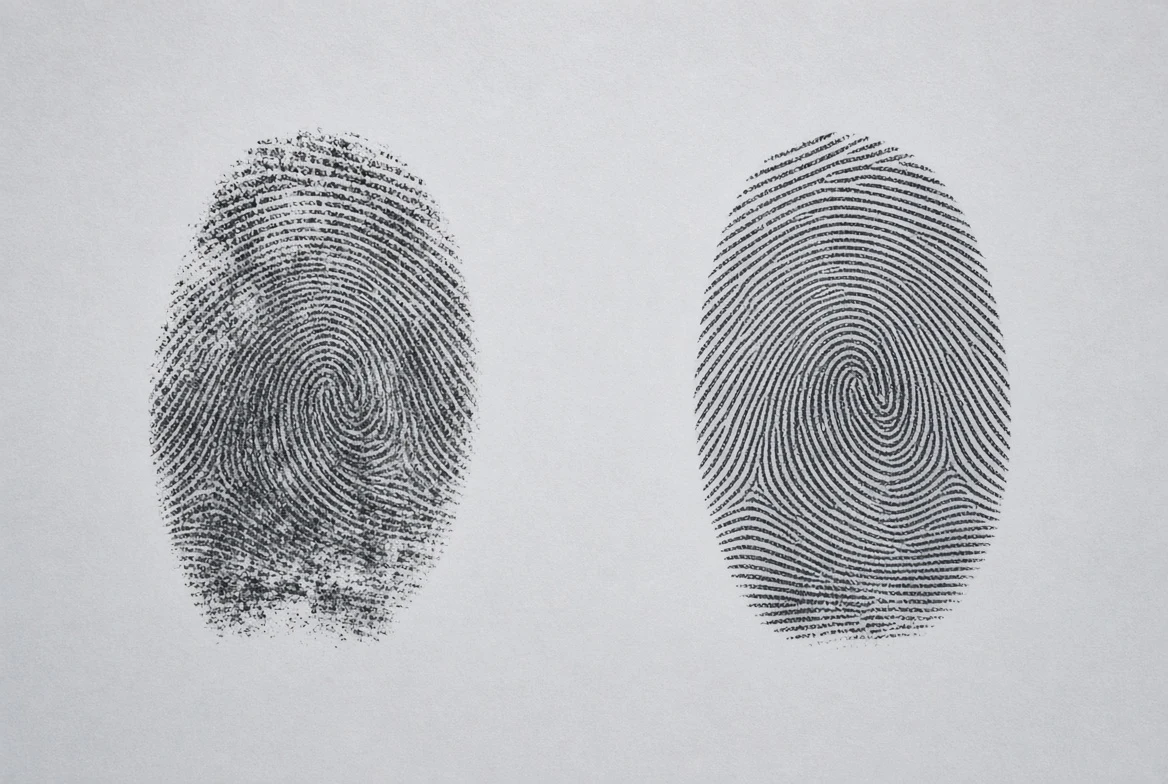
A 2011 double-blind test of more than 169 examiners put numbers on a method courts had relied on for a century — and the numbers cut both ways.
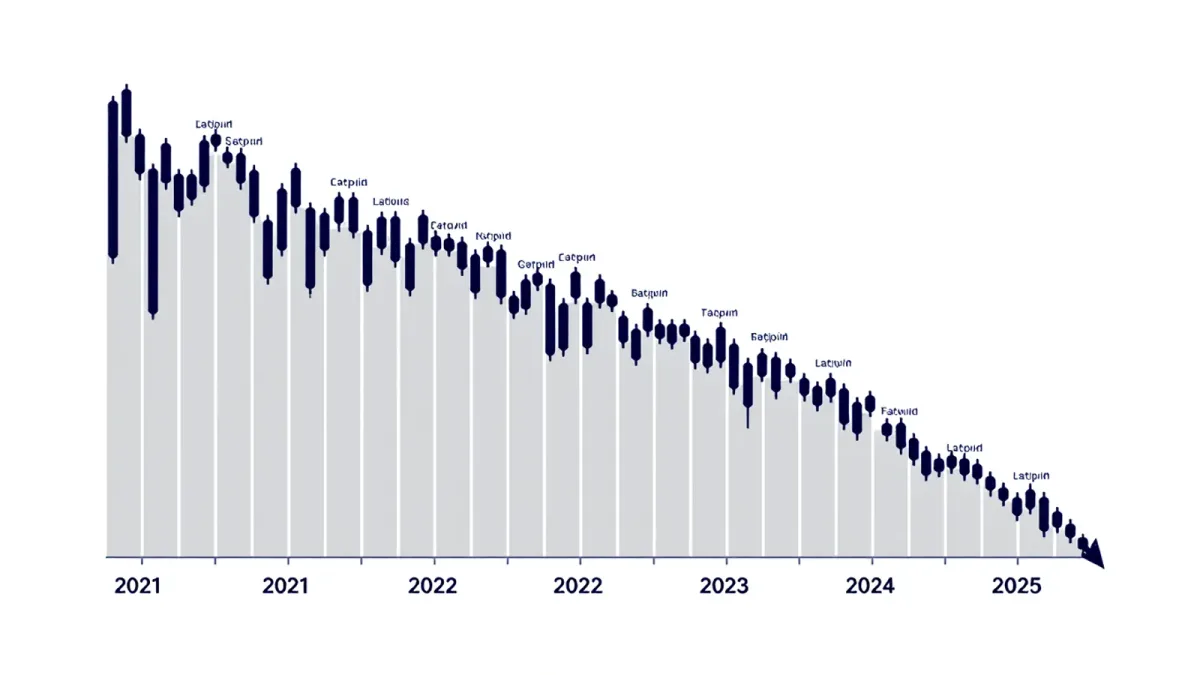
Per FBI published data, murder fell roughly 12 percent in 2023 and about 14 percent more in 2024 — and no single policy, policing change, or economic factor accounts for a decline that size across the whole country.

Per FBI published data, roughly half of recent homicides were never cleared, and the cases that go unsolved cluster by victim, by place, and by a detective's first days on the file.

The FBI's hate crime numbers are a voluntary patchwork: per the 2023 release, more than 11,800 incidents were reported — while hundreds of agencies, including entire state systems, submitted nothing at all.
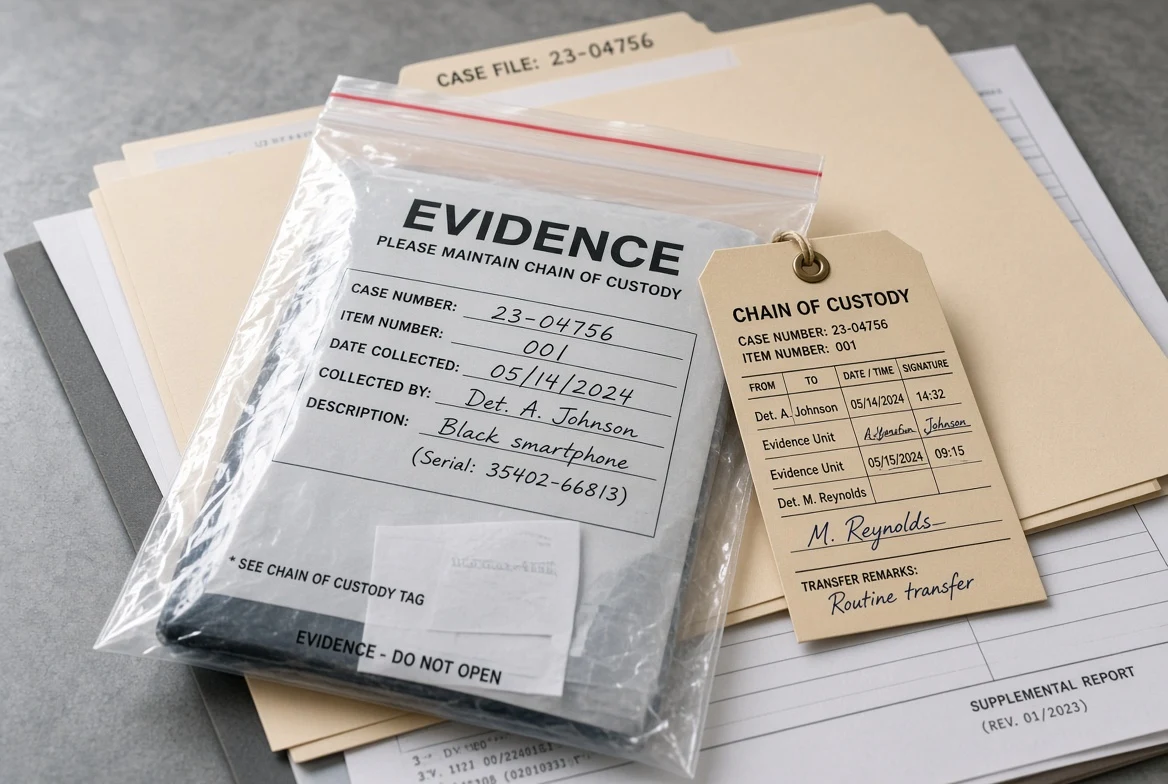
A signature, a sealed container, and a log entry at every handoff: the paperwork that decides whether a gun, a drug sample, or a DNA swab can be used against someone in court.
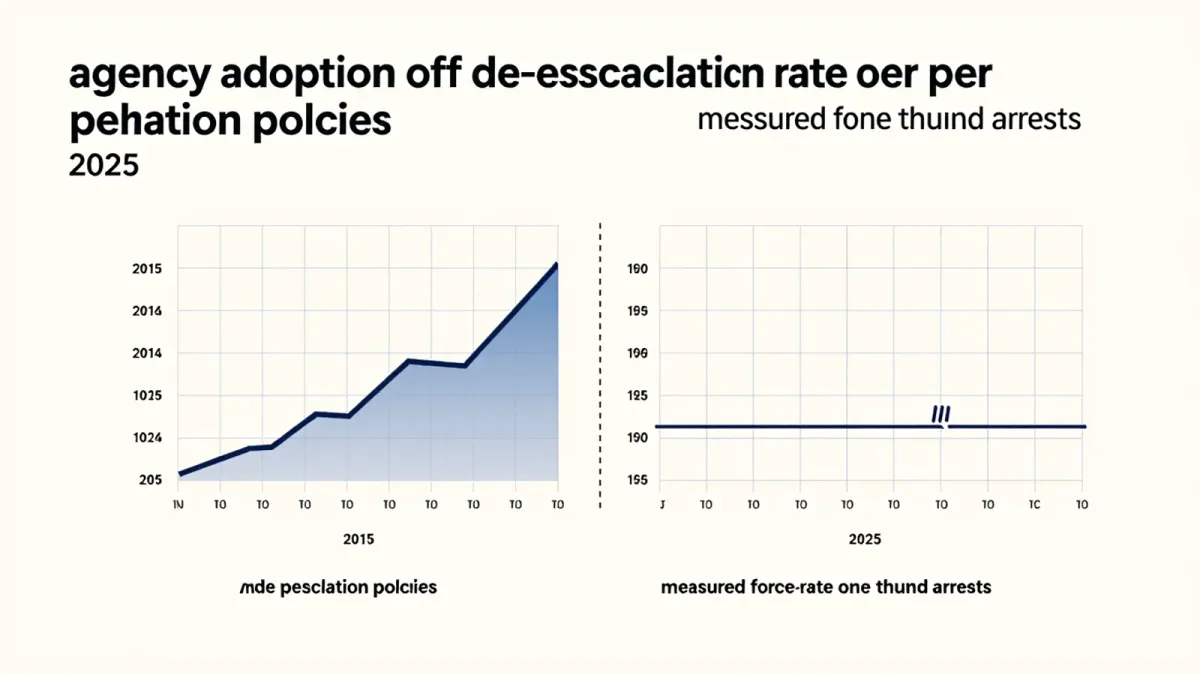
Most large departments adopted de-escalation policies after 2020; whether officers comply shows up in force data, not in the policy manual.

Early intervention systems watch patterns in officer data — complaints, force, absenteeism — and promise to catch problems before discipline does, but the evidence on whether they work is thinner than their spread.
The analysts who map robbery patterns and series also sit beside the surveillance tools that collect data on people never charged with anything.
Oversight bodies exist in more than 200 American cities, but their authority depends entirely on what a city charter, a state law, or a union contract lets them see and do.
The doctrine shields officials from civil trials unless a prior case clearly established the right they violated — and it decides most police misconduct suits before a jury ever hears them.
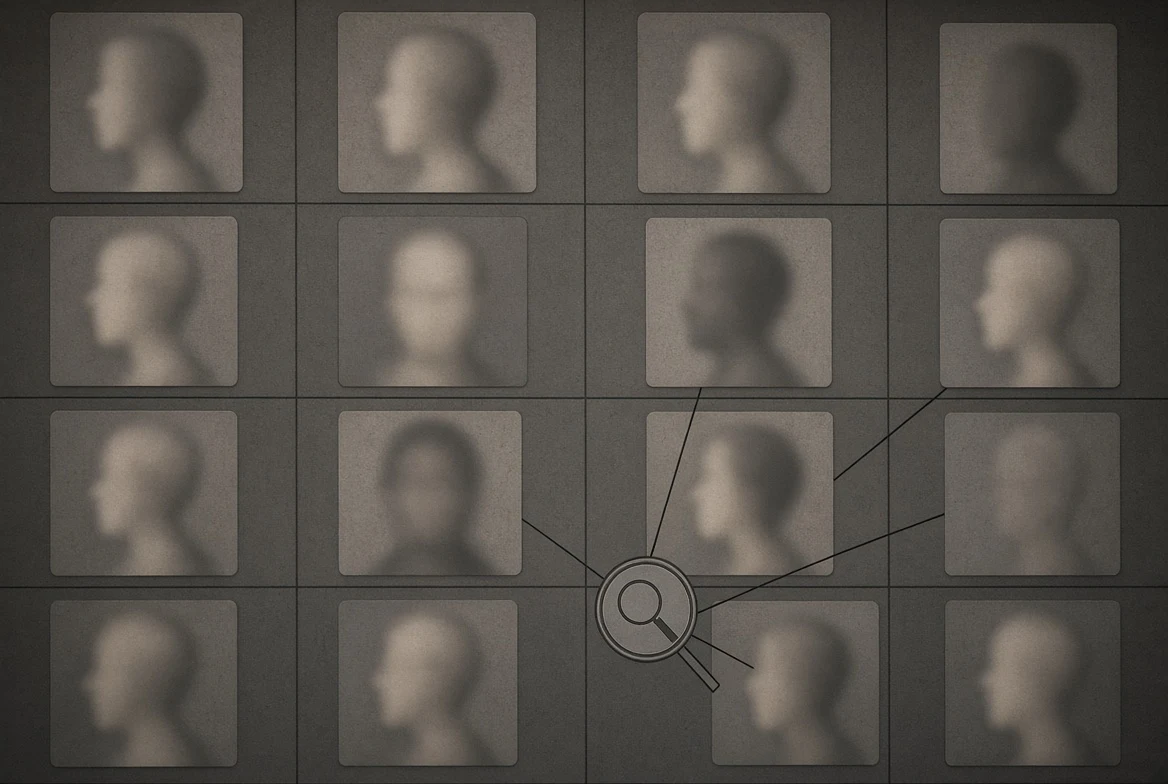
Police facial recognition can be highly accurate or badly wrong, depending on which algorithm is used and whose face it is analyzing.
Federal testing finds top facial-recognition algorithms highly accurate on balanced photo sets, and far less reliable across race, age, and sex — a gap behind a string of real wrongful arrests.
Probabilistic genotyping software turns complex DNA mixtures into likelihood ratios; since the PCAST report of 2016, courts have demanded validation studies first.
Body cameras turned discovery into a data problem measured in hours of video; platforms built for indexing and sharing now sit between prosecutors, defense and courts.
A federal court primer on the initial hearing, the factors a judge weighs, and what happens to a defendant who cannot pay.
A deferred prosecution agreement in 2021, a rejected guilty plea in December 2024, and a dismissal in November 2025 — United States v. Boeing ran the full corporate-crime cycle.
Travis McMichael, Gregory McMichael, and William Bryan were convicted of federal hate crime charges on February 22, 2022 — after the state murder convictions.
Purdue's 2007 federal guilty plea for misbranding OxyContin was the beginning; the 2020 plea, the bankruptcy, and the Sackler settlements followed a separate track.

The FBI's 2023 crime statistics show violent crime down about 3 percent from 2022, with murder down sharply — but the numbers depend on how many agencies actually reported.

Under the Bail Reform Act, release is the default and detention is what the government must argue for — here is the sequence, the burdens of proof, and what the federal data show about who is held.
The SEC whistleblower program lets someone with original, non-public knowledge of a securities law violation report it directly to the Securities and Exchange Commission and, if that tip leads to a successful enforcement action collecting more than $1 million in sanctions, receive an award of 10 to 30 percent of what is collected, according to the SEC’s whistleblower rules.
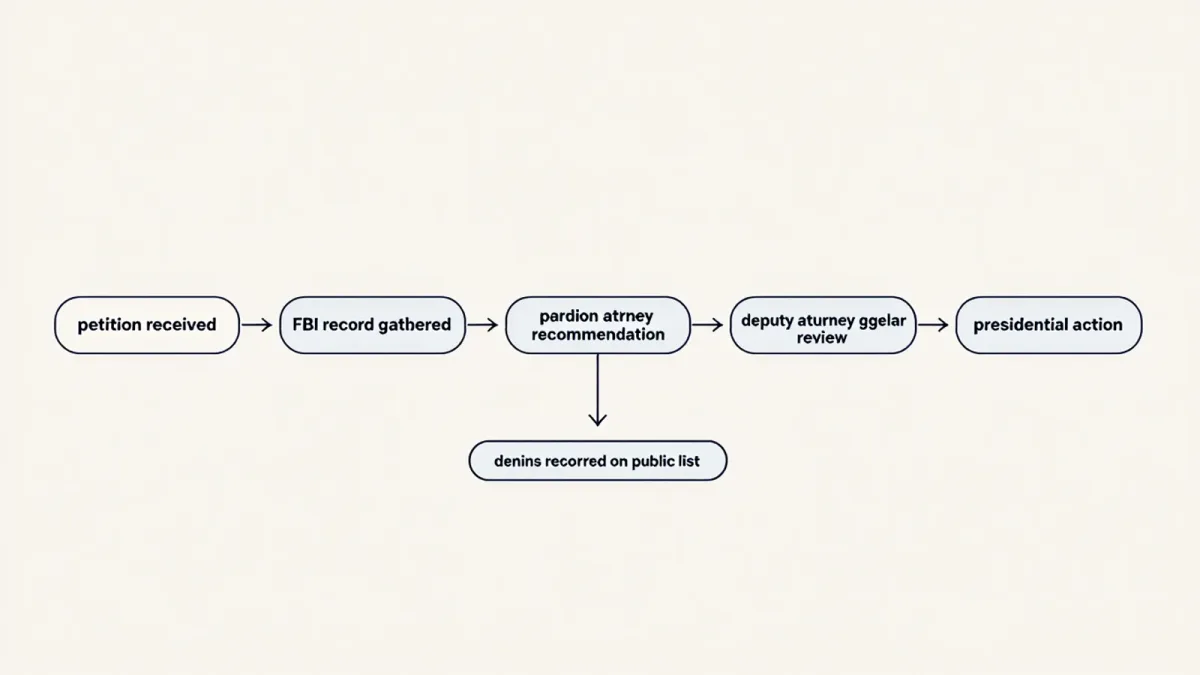
The Office of the Pardon Attorney's published lists record pardons and commutations granted through 2026 alongside a much larger volume of denied applications — and the paperwork defines what each act actually does.