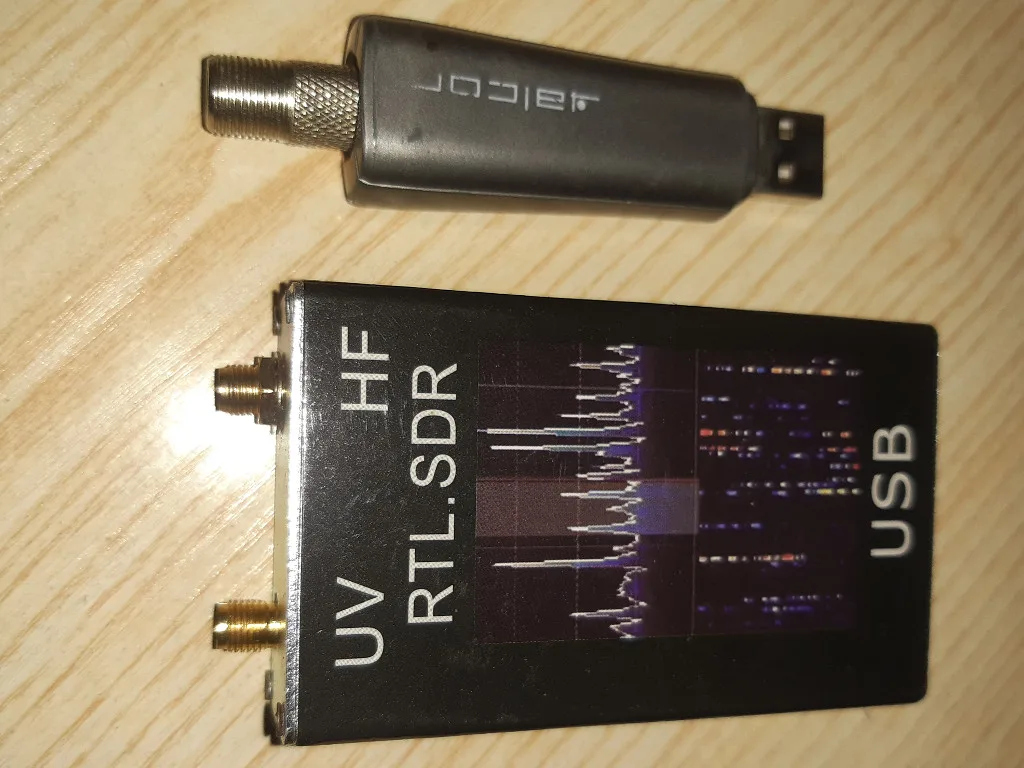
A software defined radio is a receiver that does most of its work in software rather than in fixed electronic parts. A small plug-in dongle feeds raw radio signals to a computer, and a program turns those signals into sound, data or a live map of aircraft overhead. The rule that matters first is a legal one: listening to most unencrypted transmissions is generally lawful in many jurisdictions, but decoding encrypted traffic or using what you hear for gain is not, and the details depend on where you live. This is information, not legal advice; anyone with a real compliance question should ask a qualified lawyer in their own country.
The hobby sits at the meeting point of two ideas. Radio has always been public in one direction: broadcast signals travel through shared air, and anyone with a receiver can pick them up. Software, as a general matter, is what turns hardware into a usable tool — as Wikipedia notes in its overview of the subject, software consists of computer programs that instruct the execution of a computer, and it can perform tasks only on top of an operating system that manages the machine's resources. In a software defined radio, that layering is the whole point: the antenna and tuner capture the signal, and the program does everything else.
What exactly is a software defined radio?
A traditional radio sorts signals with physical circuits — filters, mixers and demodulators built for one purpose. A software defined radio replaces most of that with a converter that hands the computer a wide slice of raw signal, and software performs the filtering and decoding. Change the software and the same hardware can receive a different kind of transmission entirely.
The practical consequence is flexibility. A hobbyist can tune to an aircraft transmission in the morning, a weather satellite pass in the afternoon and a broadcast signal in the evening, all with the same device. The trade-off is that the computer does real work: a wide slice of spectrum demands processing power, and a weak computer can drop samples the way an overloaded office computer drops keystrokes.
What can a civilian legally listen to?
The short answer, in many countries, is transmissions that are broadcast in the clear: air traffic control and pilot conversations, aircraft position data, weather satellite downlinks, amateur radio operators, and much of what listeners call utility traffic. Aviation channels are a common entry point because the transmissions are unencrypted and continuous, and tracking aircraft from their own signals is a well-established hobby.
The limits matter more than the invitations. Listening is one thing; acting on what you hear is another. Intercepted communications generally may not be used for personal advantage or passed to third parties in ways the law forbids, and rules differ sharply between countries. Some jurisdictions restrict listening to certain services outright, and a few require a licence even to possess a receiver capable of tuning specific bands. Because the rules are local and specific, the safe habit is to check the national regulator's published guidance before listening to anything beyond broadcast radio.
Encryption draws the brightest line. If a service encrypts its traffic — as most public-safety agencies now do — the encrypted stream is not a puzzle the public is invited to solve. Attempting to decrypt it is a legal boundary in itself, independent of whether the attempt succeeds. The hobby's honest description is this: it opens the unencrypted airwaves, and it stops at the locked door. We covered a connected angle in How gunshot detection systems perform, according to independent studies.
What does a beginner actually need?
The barrier to entry is low, which is why the hobby has grown. A starter setup has three parts, none of them exotic.
- A receiver. Small USB dongles designed for television reception are the common first device, because they are cheap and widely available. Purpose-built receivers cost more and perform better, but they are not needed to start.
- An antenna. The little supplied antenna works near a transmitter and poorly elsewhere. A simple wire cut for the band of interest outperforms it, and antenna placement — higher, away from interference — often matters more than the receiver itself.
- Software. Free programs exist for every major operating system. They display the spectrum, let the user tune by clicking, and decode common signal types. This is where the "software defined" part earns its name: the upgrade path runs through downloads, not soldering.
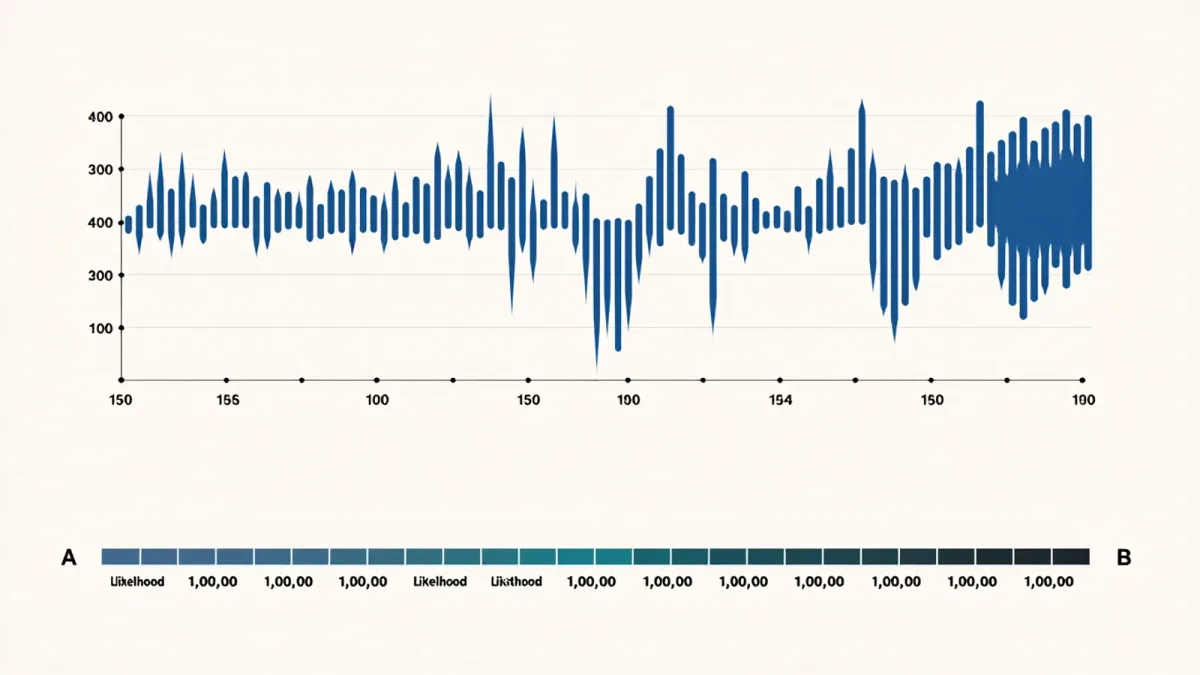
A fourth element helps more than beginners expect: time with the spectrum display. Signals look different before you know what they are. Aircraft traffic has a distinctive rhythm; satellites drift in frequency as they pass; broadcast stations sit still. Learning to read the waterfall display — the scrolling picture of signal strength over time — is the real skill, and it costs nothing but patience.
Where does the law actually draw the lines?
Three lines recur across jurisdictions, and a hobbyist who respects them rarely goes far wrong. The first is the encryption line described above: encrypted means off-limits. The second is the use line: listening for curiosity differs legally from recording, rebroadcasting or profiting from intercepted traffic, and several legal systems treat those acts separately. The third is the transmission line: receiving is not transmitting. A hobbyist who wants to transmit — on amateur radio bands, for instance — needs a licence and an examination in most countries, because a transmitter interferes with other users in a way a receiver never does.
Our analysis of the compliance picture is straightforward: the risk in this hobby comes not from the technology but from assuming one country's rules apply everywhere. A practice that is unremarkable in one jurisdiction may be restricted in the neighbouring one. The corporate-law instinct applies here as it does to a director reading a filing — the footnote governs. Read the regulator's own text, not a forum summary of it, and treat any specific threshold or prohibition as something to verify against that primary source before acting on it.
Readers who follow this site's coverage of law-enforcement technology will recognize a familiar shape. The same software category that lets a hobbyist track aircraft also underpins systems used by agencies, from the dispatch tools described in how CAD systems route emergency calls, and what response time data misses to the sensor platforms examined in how gunshot detection systems perform, according to independent studies. Understanding how radio software works is a reasonable first step toward understanding how those systems work — and where they fail. For related coverage, see How CAD systems route emergency calls, and what response time data misses.
What this means for the curious newcomer
Software defined radio is one of the few technical hobbies where the entry cost is a modest dongle, the software is free, and the subject matter — the actual radio spectrum around you — is genuinely live. It rewards a legal habit as much as a technical one: listen to what is broadcast in the clear, leave encrypted traffic alone, check the local regulator's guidance, and never treat a transmission as raw material for someone else's disadvantage.
The wider lesson runs beyond the hobby. Software has become the layer where capability lives, in receivers and in police technology alike, and the law moves more slowly than the downloads do. The hobbyist who learns to read both — the spectrum and the rules — ends up with a better understanding of each. That, more than any particular signal, is what the dongle buys.