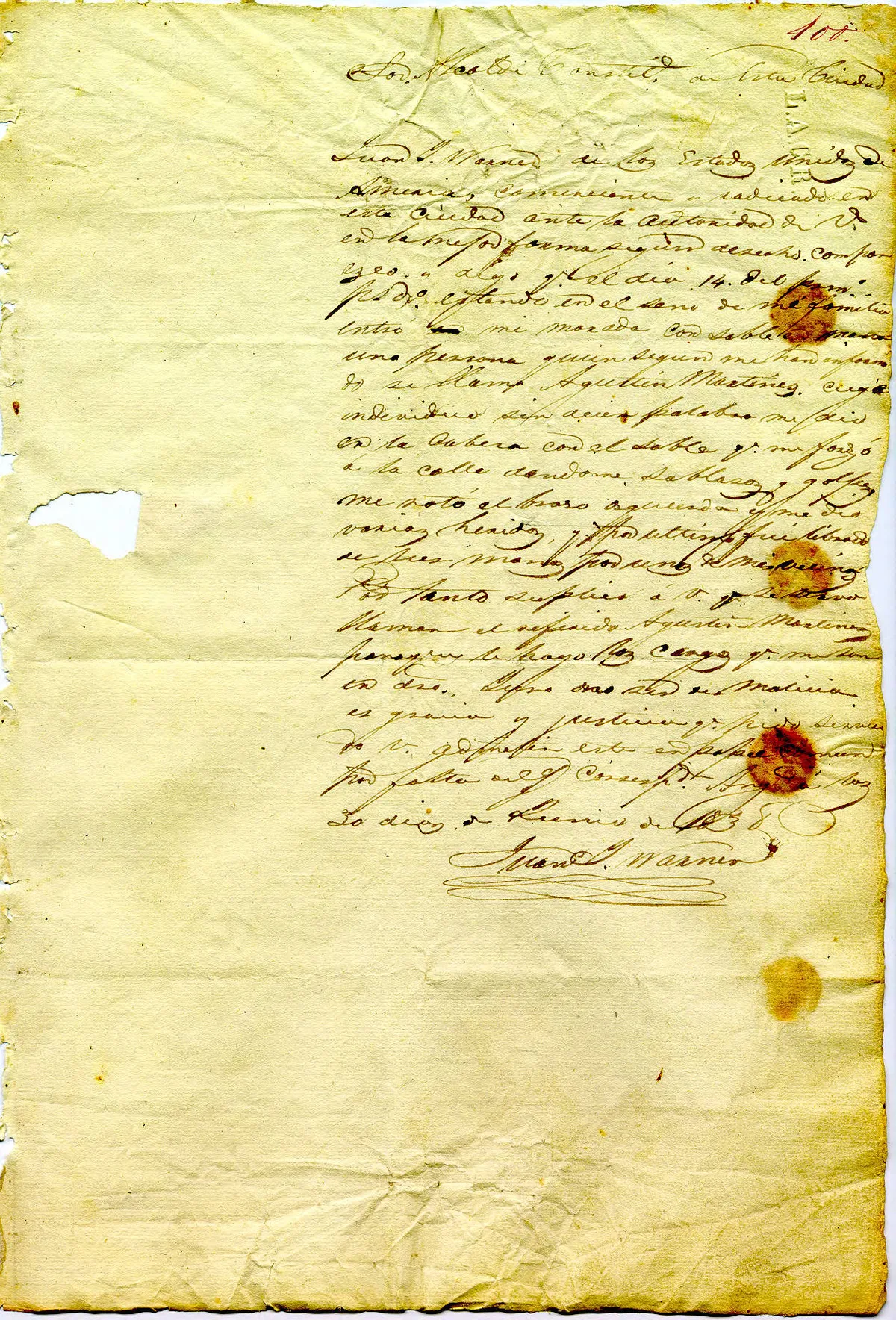
A criminal complaint is a written statement of the essential facts constituting the offense charged. Federal Rule of Criminal Procedure 3 sets that definition. The rule also requires the statement to be made under oath before a magistrate judge. The complaint is the sworn paperwork that starts many federal criminal cases.
The document matters because an arrest can rest on it. A judge reads the complaint and any supporting affidavits. The judge tests whether probable cause exists, then may issue a warrant or a summons. That review is the first courtroom check on a criminal accusation. For related coverage, see Why single-cause explanations of the crime drop rarely survive scrutiny.
What does Rule 3 require a complaint to say?
The rule is short and strict. The complaint must set out the essential facts constituting the offense charged, so the sworn account has to describe the crime in concrete terms. It cannot just repeat a charge label. With one narrow exception, the statement must be made under oath before a magistrate judge. If no magistrate is close by, a state or local judicial officer may take the oath instead, per the text of Rule 3. The oath gives the document its force. Without it, a judge has no sworn basis to act.
Who files a criminal complaint?
Only the government starts a federal criminal case, usually through the U.S. attorney’s office and a law enforcement agency, according to the federal courts’ public overview of criminal cases. In the typical pattern, an investigator swears to the facts. A prosecutor then presents the papers to a judge. The setup keeps the accuser identified and accountable. Private parties cannot file federal charges. Suspected crime should be reported to the local police, the FBI, or another suitable agency, the same overview states.
What must a judge decide before a warrant issues?
Rule 4 sets a clear test. The complaint, or an affidavit filed with it, must establish probable cause to believe that an offense has been committed and that the defendant committed it. If that showing holds, the judge must issue an arrest warrant, per the text of Rule 4. At the request of a government attorney, the judge must instead issue a summons. The summons orders a person to appear at a stated time and place. A valid warrant must also meet four formal requirements:
- 1. Name the defendant, or give a description that fits the person with reasonable certainty.
- 2. Describe the offense charged in the complaint.
- 3. Command that the defendant be arrested and brought without unnecessary delay before a magistrate judge.
- 4. Carry a judge’s signature.
What happens after a complaint is filed?
The next step is usually the initial appearance. By then, the judge has reviewed the arrest and post-arrest reports. The judge advises the defendant of the charges filed, weighs whether the defendant should be held in jail until trial, and checks probable cause, per the federal courts’ overview. Defendants who cannot afford counsel are told of their right to a court-appointed attorney.
A complaint is not the end of the charge process. The grand jury reviews evidence presented by the U.S. Attorney, according to the federal courts, and decides whether it is sufficient to require a defendant to stand trial. Charges remain accusations at every stage. The presumption of innocence travels with the case file. The government carries the burden of proof, and a defendant must be found guilty beyond a reasonable doubt before any conviction. This connects to our earlier piece, Behind the scenes of a true crime feature: the reviews and ethics calls before publication.
Conclusion: Why the sworn document matters
A criminal complaint is the checkpoint where an accusation first meets a neutral judge. The essential facts must be written and sworn. A judge must find probable cause before the court orders anyone’s arrest. The sequence shows how a federal case begins: paperwork first, oath second, warrant third, and a hearing where the accused hears the charges.