Software
Software reviews the platforms carrying modern casework: records management systems, digital forensics suites, evidence storage, disclosure workflows and courtroom presentation tools. Assessments cover accuracy, audit trails, cost and vendor lock-in. Written for departments, law firms and court administrators choosing systems that will later be challenged in hearings.
Software coverage from Daily Detective News.

How accurate is police facial recognition, according to the studies
Isabel DuarteHow accurate is facial recognition software, according to the studies
Federal testing finds top facial-recognition algorithms highly accurate on balanced photo sets, and far less reliable across race, age, and sex — a gap behind a string of real wrongful arrests.
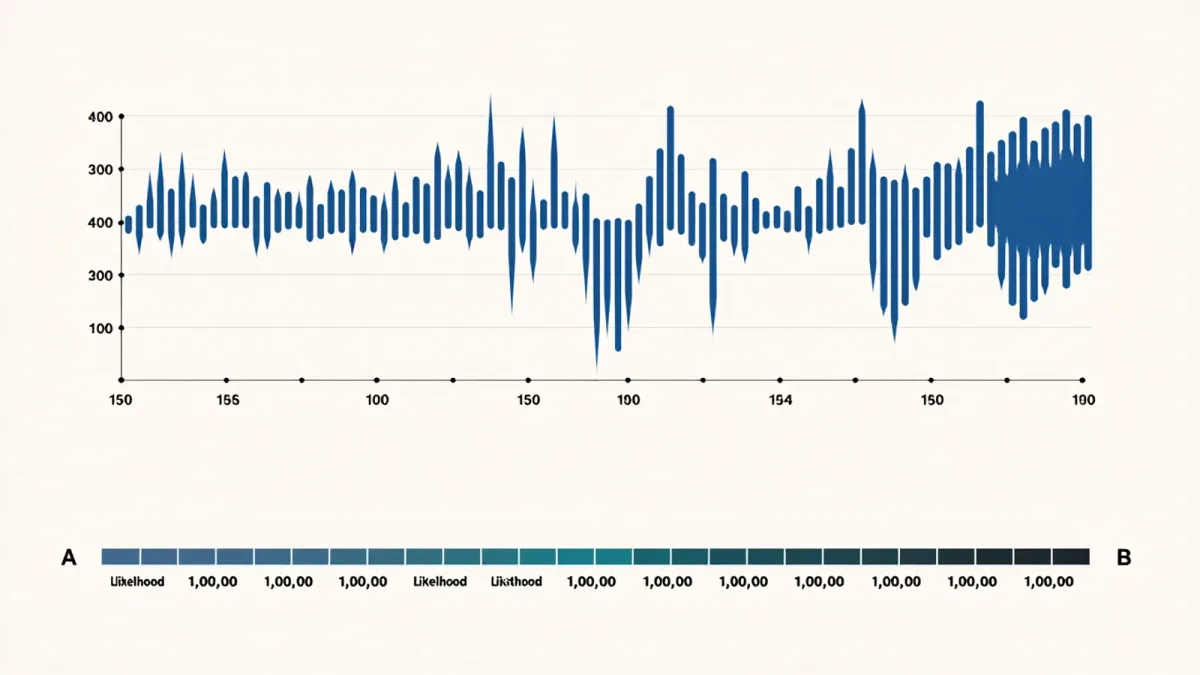
Isabel DuarteWhat courts require before probabilistic genotyping reaches a jury
Probabilistic genotyping software turns complex DNA mixtures into likelihood ratios; since the PCAST report of 2016, courts have demanded validation studies first.
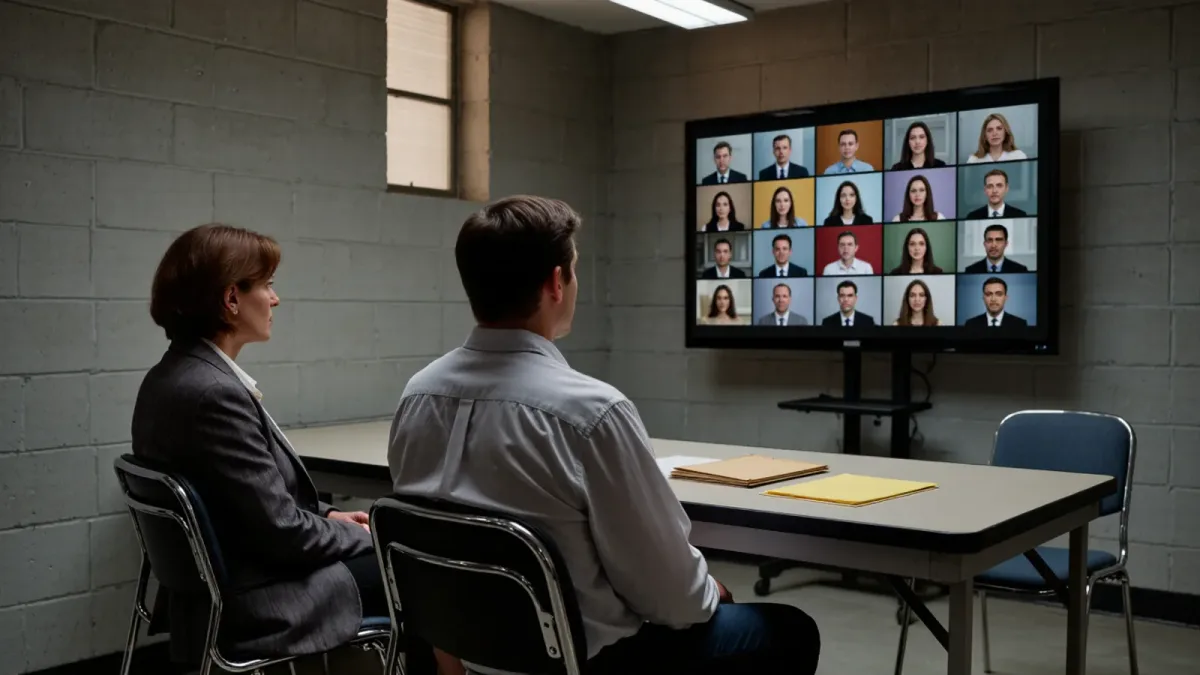
Isabel DuarteHow discovery platforms handle the volume of body camera evidence
Body cameras turned discovery into a data problem measured in hours of video; platforms built for indexing and sharing now sit between prosecutors, defense and courts.
Isabel DuarteWhat redaction software does before police footage is released
Automated redaction tools blur faces and mute audio before body camera video goes public; some states' deadlines, like California's 45-day rule, leave little slack.
Isabel DuarteHow DNA database searches work in CODIS and familial searching
CODIS compares crime scene profiles against a national database of millions of offender profiles, and familial searching extends the match to relatives.
Isabel DuarteWhat case management software does for prosecutors and defense counsel
Case management systems track the deadlines, evidence and people in thousands of criminal cases, in a process where more than 95 percent of federal convictions come from pleas.
Isabel DuarteHow body camera video platforms handle retention and disclosure
Every activated body camera produces hours of stored video, and commercial platforms — not public statutes — decide much of how that video is kept and shared.
Isabel DuarteWhat digital forensics tools extract from phones, and what courts require
Mobile forensic extraction can pull a phone's messages, photos and location history, but the Supreme Court has required a warrant since its 2014 Riley decision.
Isabel Duarte