A court docket is a chronological log of everything filed and every hearing held in a case. Reading one well means three things: knowing what each entry type does, reading the dates in order, and resisting the urge to treat one dramatic filing as the whole story.
The skill is closer to translation than to speed-reading. Wikipedia defines reading as taking in the meaning of written symbols, and a docket is a dense symbol system of its own: numbered entries, abbreviated titles, and clerk's shorthand that compresses entire hearings into a single line.
This guide walks through the parts of a docket in the order a reporter would read them, then covers the entries that carry the most information: motions, orders, and scheduling notices. The aim is to let you follow any case, civil or criminal, from its first line to its last.
What is a docket, and where do you find one?
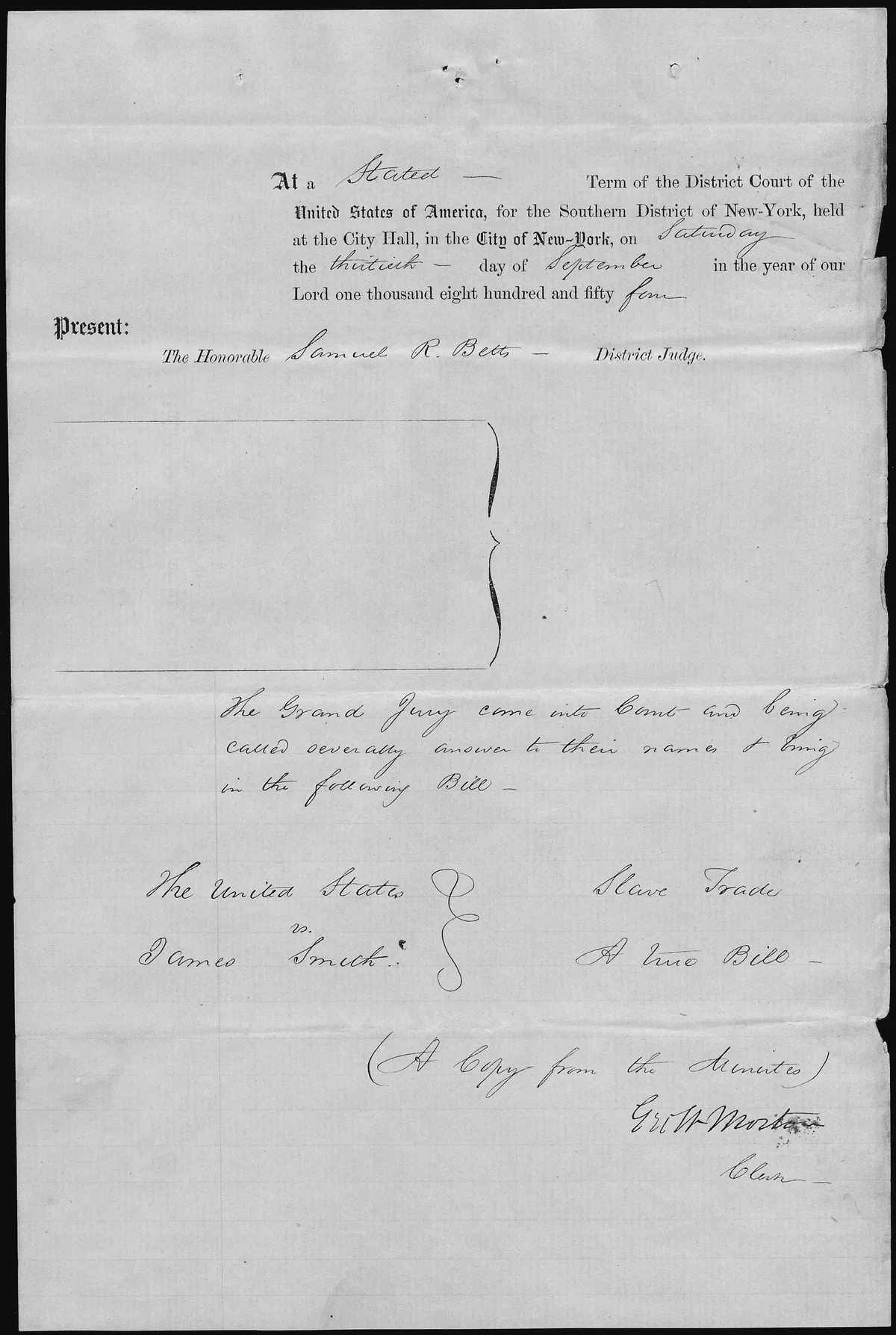
A docket is the official record of a case's progress, kept by the clerk of the court. Each event gets a sequential number, a date, a short description, and usually a link to the underlying document. Because dockets are the clerk's working record, they are generally public in both civil and criminal courts, though some filings within a case may be sealed.
Federal district court dockets are available through PACER, the federal judiciary's electronic records system, for a per-page fee. Many state courts publish free online dockets through their own portals. Court-focused news services and nonprofit repositories also republish docket data, sometimes without the fees. Whatever the source, the underlying record is the same: the clerk's log.
One caution before you start: a docket tells you what has been filed, not whether any of it is true. A complaint is an allegation. A motion is a request. Only an order or a judgment is the court speaking.
What do the entry numbers and dates tell you?
Docket entries are numbered in sequence, and that sequence is the story's spine. Start at the top and read down. The first entries usually show the complaint or indictment, the initial appearance, and counsel's notice of appearance. Later entries show motions, responses, hearings, and rulings.
Dates do two jobs. The filing date tells you when a document entered the record. The docket date, sometimes different, tells you when the clerk logged it. When a case suddenly goes quiet for months, that gap is itself information: the parties may be negotiating, waiting on a ruling, or the case may have been stayed.
Reporters also watch for entries dated out of order. A document filed one day and entered days later usually means nothing. A cluster of retroactive entries can signal a sealed filing that was later made public, or an administrative correction.
What are the entry types you will see most often?
Most docket lines fall into a handful of categories. Learn these and most dockets become readable at a glance.
- Complaint or indictment. The document that starts the case. In a civil case it states the claims; in a criminal case it states the charges. Either way, it is a party's allegation, not a finding.
- Notice of appearance. A lawyer formally enters the case. Watching who appears, and who withdraws, tells you who is actually handling the matter.
- Motion. A formal request asking the court to do something: dismiss the case, compel evidence, exclude testimony, grant summary judgment.
- Response or opposition. The other side's written answer to a motion.
- Order. The court's decision on a motion or issue. This is the docket's most important entry type, because it is the judge speaking.
- Scheduling order. A roadmap of deadlines: discovery cutoffs, motion cutoffs, trial dates. Treat trial dates as provisional; courts move them often.
- Minute entry. A one-line summary of what happened at a hearing. Sparse, but often the only record of an oral ruling.
- Judgment. The entry that ends the case at the trial-court level, and the trigger for appeal deadlines.
The vocabulary varies by court and judge. Federal courts use standard event codes; state courts vary widely. When an abbreviation is unclear, the linked document behind the entry usually resolves it.
How do you read motions and orders without a law degree?
Read the motion's first two pages and its final two. The opening states what the movant wants and why, in the plainest language the filing contains. The conclusion states the precise relief requested. The middle is argument and citation, which you can skim until a specific claim matters.
Orders deserve slower reading. Start with the last paragraph, where courts usually state what is granted and what is denied. Then work backward to the reasoning. A motion "granted in part and denied in part" is common, and the difference between the two halves is often the actual news.
Watch the distinction between holdings and dicta, between what the court decided and what it said in passing. And keep the charged-versus-convicted distinction in mind in criminal dockets: an indictment lists charges, a plea or verdict resolves them, and a sentencing entry records the outcome. Until one of those later entries appears, the charges remain allegations.
What are the practical steps for following a case over time?
Following a docket is a habit, not a single read. A simple routine covers most needs.
- Pull the full docket once and read it start to finish, so you know the case's shape.
- Note the scheduling order's key dates, and check the docket near those dates.
- Read every order in full; skim motions unless their subject is central.
- Track the parties' counsel. New appearances and withdrawals often precede visible developments.
- When the docket goes quiet, check whether a stay or extension order explains it.
- When a judgment or dismissal entry appears, expect an appeal or a follow-on case, and check for it.
Our analysis: the single most common misreading is treating the docket as a narrative that builds toward a dramatic peak. Most cases end quietly, often in a dismissal or a negotiated resolution. If you want context on why, see our explainer on how plea bargains work, and why most criminal cases end without a trial. Readers following this should also see How plea bargains work, and why most criminal cases end without a trial.
What a docket can and cannot tell you
A docket establishes the procedural record: who filed what, when, and what the court ordered. It does not establish the truth of allegations, the strength of evidence, or the reasons behind a sealed filing. Reporters use it as a map, then report what the documents and the people involved actually say.
Used that way, the docket is the most reliable public account of a case that exists. Every claim about a case's status, from an arraignment to a judgment, should be traceable to a dated docket line. If you are following a criminal case from its start, our primer on what an arraignment is, and what happens next picks up where a docket's first entries leave off.
Nothing here is legal advice. If you are a party to a case, read your own docket with your lawyer, who can explain what each entry means for you specifically. For more coverage of courts and filings, see the rest of our legal section, and our broader cases coverage.