Enforcement examines how policing is actually conducted: departmental policy, training standards, use-of-force reporting, discipline records and civilian oversight. Coverage draws on public records requests, audits and consent decree filings. Intended for officers, oversight boards, attorneys and residents assessing how a department answers for its conduct.
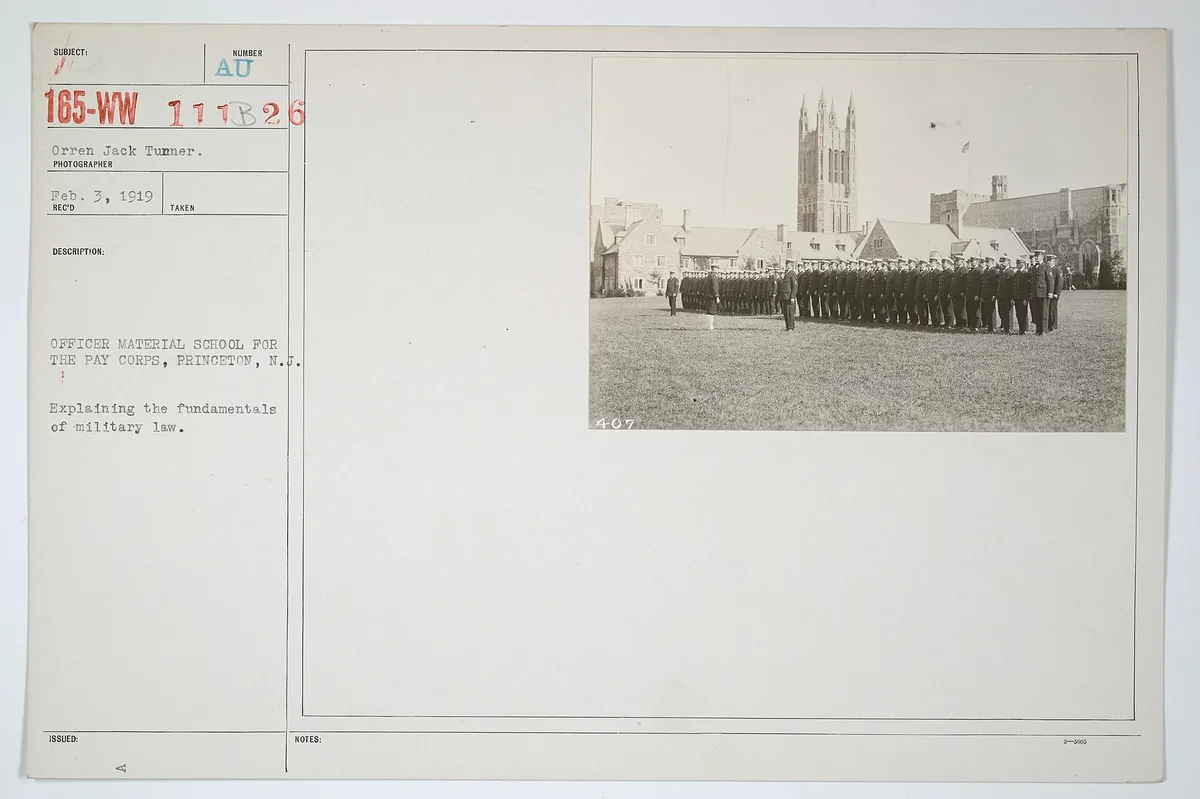
Military police forces sit inside the armed services, enforce a separate legal code, and answer to a chain of command. Here is how that system works, and where its authority ends.
Rank means different things in a city department, a sheriff's office, and a federal agency. Here is how the hierarchies fit together, and where they do not.
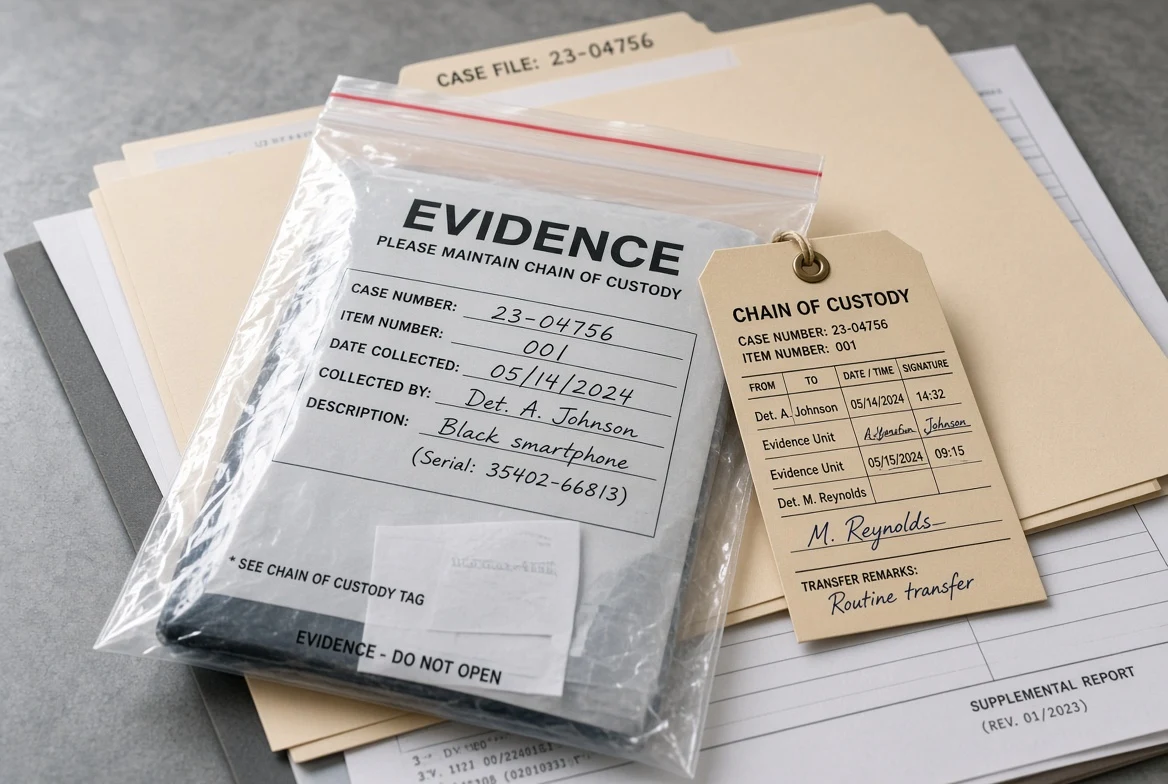
A signature, a sealed container, and a log entry at every handoff: the paperwork that decides whether a gun, a drug sample, or a DNA swab can be used against someone in court.