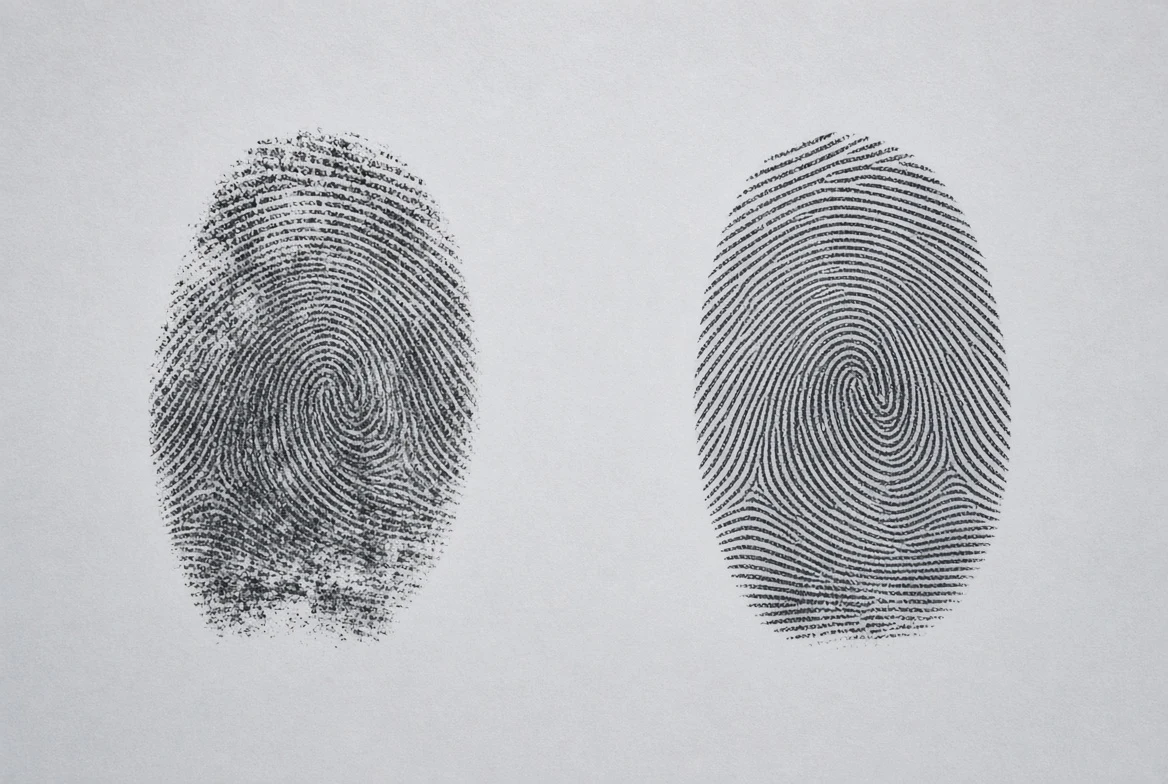
How accurate is fingerprint matching, according to the studies
A 2011 double-blind test of more than 169 examiners put numbers on a method courts had relied on for a century — and the numbers cut both ways.
Malik JohnsonCrime covers offense patterns, charging and clearance data, victim outcomes and the criminology behind the numbers. Articles cite the data set, note its gaps, and avoid treating a single quarter as a trend. Written for reporters, analysts, policy staff and residents who want crime coverage with its arithmetic shown.
Crime coverage from Daily Detective News.

A 2011 double-blind test of more than 169 examiners put numbers on a method courts had relied on for a century — and the numbers cut both ways.
Malik JohnsonPer FBI published data, murder fell roughly 12 percent in 2023 and about 14 percent more in 2024 — and no single policy, policing change, or economic factor accounts for a decline that size across the whole country.

Malik JohnsonPer FBI published data, roughly half of recent homicides were never cleared, and the cases that go unsolved cluster by victim, by place, and by a detective's first days on the file.
Malik JohnsonThe FBI's hate crime numbers are a voluntary patchwork: per the 2023 release, more than 11,800 incidents were reported — while hundreds of agencies, including entire state systems, submitted nothing at all.
Malik JohnsonA recidivism rate is only as specific as its definition: per BJS's landmark studies, about 68 percent of released prisoners were arrested within three years — but arrests, convictions, and re-imprisonment tell three different stories.
Malik JohnsonDecades of FBI records show violence and most property crime rising in summer and falling in winter — a pattern stable enough that analysts adjust for it before declaring any trend.
Malik JohnsonExceptional clearance closes an offense with no arrest and no prosecution, on the agency's own judgment — a status researchers say is used unevenly enough to distort the clearance rates built on it.
Malik JohnsonPublished crime numbers are drafts, not verdicts: agencies amend submissions, the FBI re-estimates, and BJS redesigns — which is why a headline figure can move months after it is released.
Malik JohnsonThe National Crime Victimization Survey interviews households directly, and its numbers routinely exceed police counts by a wide margin — the gap is a measurement fact, not an accusation.
Malik JohnsonSince the FBI retired its old summary counts, incident-based records have offered a sharper view of burglary, larceny, and motor vehicle theft — if readers know what the transition broke.
Malik Johnson