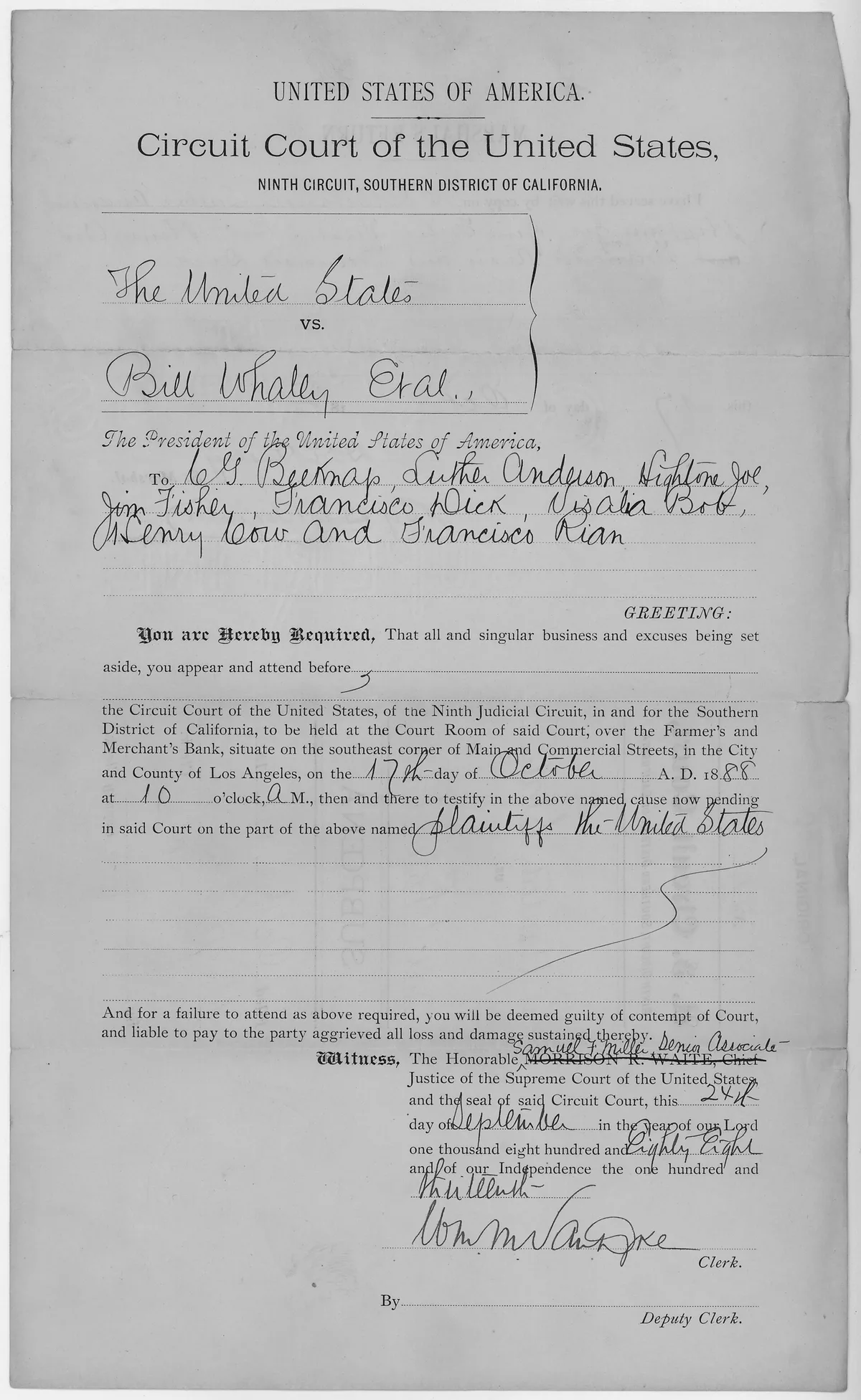
A subpoena is not a request. It is a court order, and it arrives with the force of law behind it. Many people first meet one as a witness in a criminal case. Others meet it as holders of records, such as a bank, an employer, or a clinic. The paper may look plain. The duty it creates is not.
This guide explains what a subpoena can compel, who may issue one, and what can happen if you set it aside. It also covers the main ways a recipient can respond. The rules come from the American court system, and every case turns on its own facts.
What a Subpoena Actually Is
A subpoena is a writ issued by a government agency, most often a court. It exists to compel testimony or the production of evidence. A penalty follows if you fail. The name comes from the Latin sub poena. It means under penalty. In England and Wales, the same document is now called a witness summons.
The Two Main Types
American law recognizes two common types, and they demand different things.
- A subpoena ad testificandum orders a person to testify before the ordering authority, or face punishment.
- A subpoena duces tecum orders a person or an organization to bring physical evidence before that authority. It is often used to have copies of documents mailed directly to a court.
The first kind compels your words. The second compels your files. A single lawsuit can involve both at once.
Who Can Issue One
Judicial subpoenas are federal court or state court orders to produce records or testimony. They are usually issued by the clerk of the court, in the name of the judge who presides over the case. Court rules may also let lawyers issue subpoenas themselves, in their capacity as officers of the court.
Other bodies hold similar power. Many federal agencies can issue administrative subpoenas. These do not need a judge's sign-off first. A grand jury can summon witnesses as part of its investigations. Congress can compel the production of testimony or records as well. Failure to respond there counts as contempt of Congress. This connects to our earlier piece, What Actually Happens in a Federal Grand Jury.
When You Can Push Back
A recipient is not powerless. The party being subpoenaed may object to the issuance of the subpoena. Valid grounds include an improper purpose. Records with no bearing on the case can be challenged too. So can a witness who would have no evidence to give. Material that is confidential or privileged can also be challenged. For related coverage, see How the Boeing 737 MAX criminal case was resolved, and later challenged.
The law also protects certain relationships. Under the Fifth Amendment, no person shall be compelled to be a witness against themselves. A witness cannot be forced to give testimony that may incriminate them. That right can be set aside if a court grants immunity. Spousal, priest-penitent, attorney-client, and physician-patient privileges add further shelter. Foreign diplomats cannot be forced to testify in court either.
What Happens If You Ignore One
The cost of ignoring a valid subpoena is written into its purpose. The order carries a penalty for failure, and some forms advise the subject of the criminal penalty for noncompliance. A few even close with the old warning, fail not at your peril.
There are practical notes too. In some situations, the witness is paid for the trouble. And the power has limits: the subpoena power of a state court generally ends at that state's border.
Conclusion
A subpoena compels two things: your testimony or your evidence. It binds because a lawful authority says so, and the penalty for failure is part of its design. At the same time, the law gives recipients real tools. You can object to the scope, invoke a recognized privilege, or raise the Fifth Amendment when answers could incriminate you. What you cannot do is tuck the paper in a drawer and hope it goes away. If one arrives, read it closely, mark the date and place, and consider talking with a lawyer about your options.
This article is for general education only. It is not legal advice, and it is no substitute for guidance from a licensed attorney about your own situation.