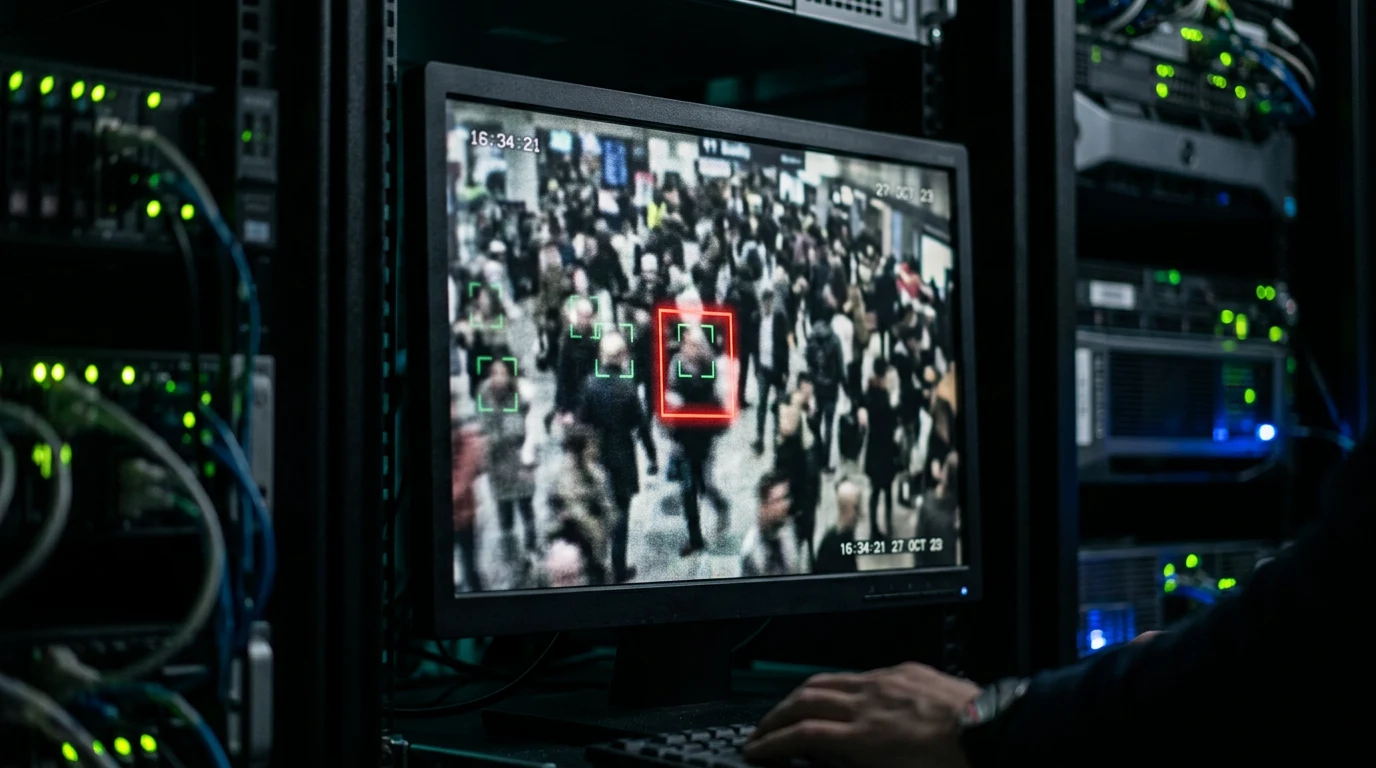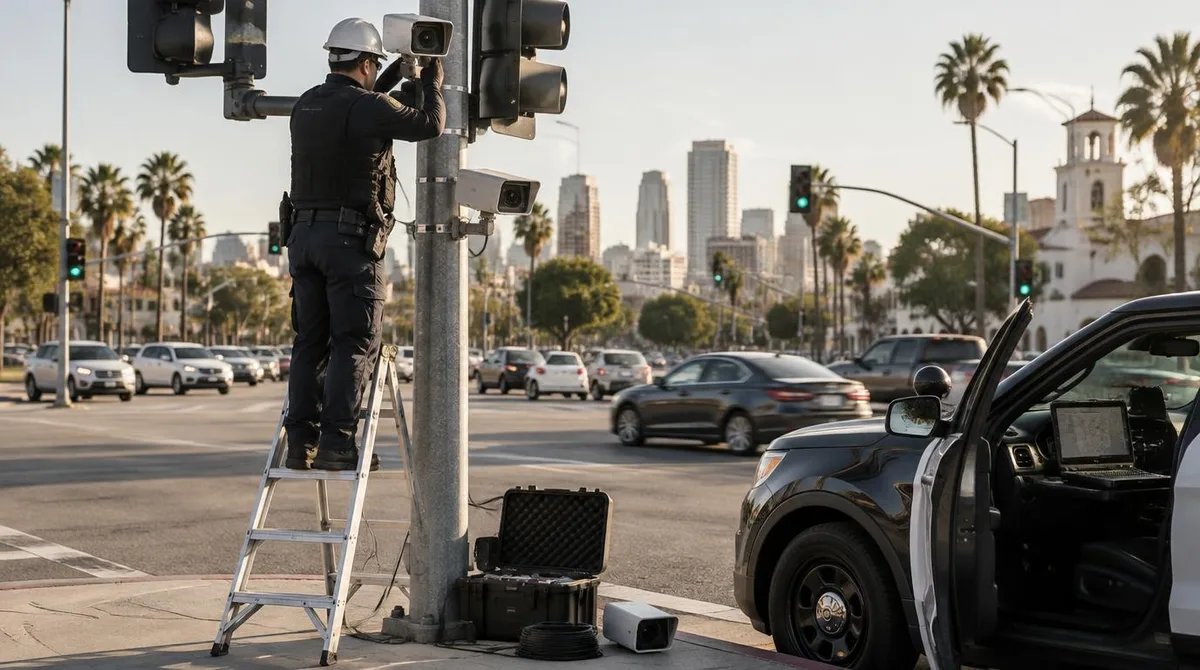
An automated license plate reader is a camera that captures, analyzes and stores license plate data, and how long that data lives is set by policy and state law. The camera logs each scan with its date, time and place, and it alerts police when a plate matches a hot list, per the National Conference of State Legislatures.
Retention varies widely. A review by the California State Auditor found one large agency holding 320 million images, most of them of cars never tied to an investigation, while some departments plan to purge records within a year. The storage clock is now the main focus of new state rules. For related coverage, see What police records management systems store, and why data quality varies.
What does a plate reader capture?
The cameras read plates on moving cars, not just parked ones. Devices sit on police cars, road signs and traffic lights, and they can log a vehicle's make, model, color, location and distinct features, along with the date and time, per NCSL. The software checks each scan against hot lists, such as plates of stolen vehicles or cars tied to missing persons cases, and sends an alert on a match. We covered a connected angle in What redaction software does before police footage is released.
How is the stored data searched?
Storage turns the tool into an archive. The California State Auditor describes software that extracts each plate number and saves it with the date, time and location of the scan, and sometimes part of the vehicle's image, in a searchable database. Agencies build hot lists from cars sought in crime investigations and vehicles linked to people of interest, per the auditor. Officers can query that database after an event, and cameras at several spots can track one car's path over time, per NCSL.
How common are these cameras?
The technology is no longer rare. ALPRs have been in use by law enforcement for more than two decades, and recent advances in AI and computer vision have made the devices far more common, per NCSL. Most large police and sheriffs departments use the technology, according to Bureau of Justice Statistics data the group cites. Homeowners groups and private businesses run them as well, NCSL reports.
How long do agencies keep the data?
It depends on local policy and state law, and the California audit shows the range.
- Fresno planned to keep reader images for one year, per the audit.
- Sacramento and Marin set two-year limits, per the audit.
- Los Angeles had no reader policy, and its program manager described a protocol of at least five years.
NCSL reports that ALPR data is generally saved for a set period, and states are now writing those periods into law.
What did the California audit find?
The audit of four local agencies found weak safeguards. It counted 320 million images stored by Los Angeles alone, and 99.9 percent of them showed vehicles not on any hot list when scanned, per the report. None of the four agencies had a policy that met all the requirements of state law. Three shared images with hundreds of agencies across the U.S. without proof of a need to know, and three used cloud vendors with no contract promise to protect the data.
What are states doing about retention?
State houses are catching up. As of September 2026, at least 28 states have statutes that expressly address reader use or the retention of its data, per NCSL. More than a dozen states acted for the first time in the four years before that count, the group reports. Lawmakers cite privacy risks, false matches and Fourth Amendment concerns as drivers, and some laws require audits of the systems.
Conclusion: The retention clock is the real rule
A plate reader collects every car, not just wanted ones, so the storage clock decides how much history exists for any driver. The California audit shows what piles up when the clock is loose. The spread of state statutes shows where the rules are headed: shorter holds, defined uses, and audits of the archives.