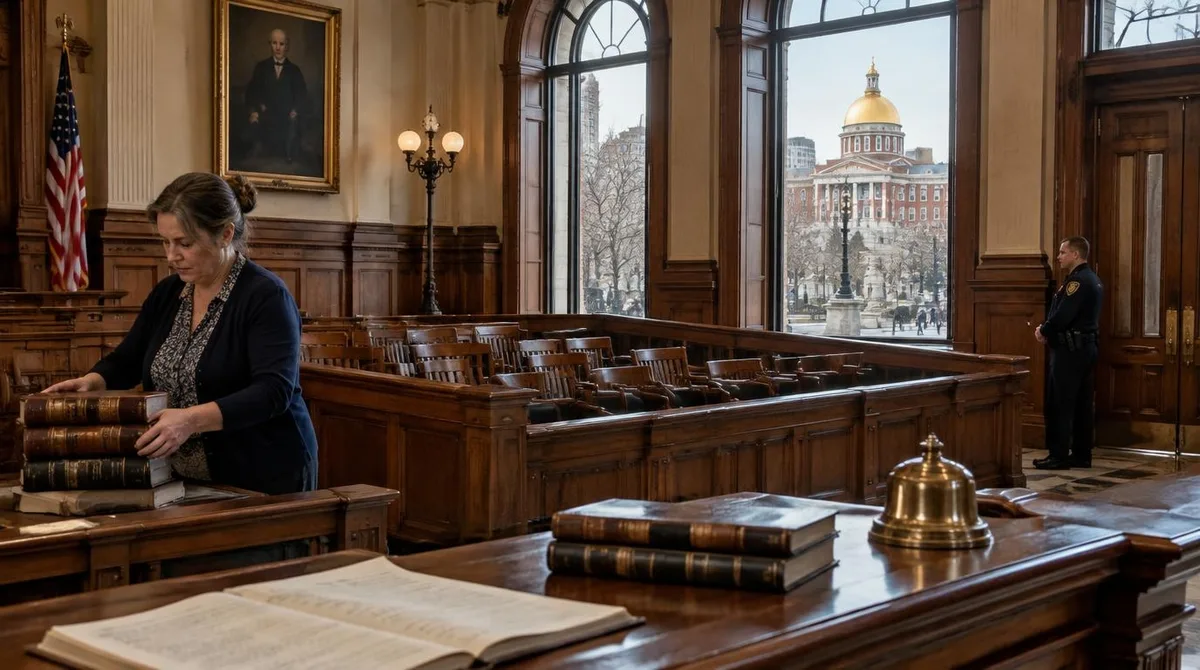
Why do some Massachusetts cases refuse to fade? The short answer is that a handful of trials changed how courts in the state and across New England actually work. They altered rules of evidence, reshaped public expectations of prosecutors and police, and left behind questions that later judges still have to answer.
A note on the word itself. The superlative matters, because calling a case "the most" notorious is a claim about degree. According to The Free Dictionary, "most" is the superlative of "much" or "many," marking the greatest in extent or degree. So a retrospective like this one is really an exercise in comparison: which cases left the deepest mark, and why.
What follows is not a ranking and not a legal judgment on anyone. It is a look at the pattern behind the region's best-remembered prosecutions, and at what each one taught the courtrooms that came after. Readers who want the mechanics behind these stories can start with our cases coverage, which explains the process step by step.
What makes a case "notorious" in the first place?
A case becomes notorious for reasons that have little to do with its legal importance. Public attention tends to attach to unusual facts, well-known defendants, or a trial that unfolded in front of cameras and crowds. Those cases dominate the memory of a region for decades.
Legal influence is a different measure. A case matters to the courts when it changes doctrine: how evidence is admitted, how a jury is instructed, how a sentence is calculated. Some of the region's most famous trials changed very little law. Some quiet, little-remembered appeals changed a great deal.
Our analysis is that the two lists overlap far less than the public assumes. That gap is worth keeping in mind every time an old case resurfaces in a headline.
How do old cases keep influencing courtrooms today?
Old cases reach into modern courtrooms through three main channels. The first is precedent. A decided appeal becomes part of the body of law that later judges consult, and its reasoning gets cited whenever a similar question arises.
The second channel is procedure. Practices that look routine today, such as careful jury screening or limits on pretrial publicity, often trace back to earlier trials that exposed a weakness in the old way of doing things. After a failure becomes public, courts tend to build a safeguard around it.
The third channel is institutional memory. Judges, prosecutors, and defense lawyers carry the lessons of famous cases with them. A trial that went badly wrong becomes a cautionary story told in offices and courtrooms for a generation.
What can a reader actually learn from revisiting these cases?
The most useful lesson is about legal vocabulary. Words that sound interchangeable are not. A person is charged with a crime when a formal accusation is filed. That person may then plead guilty or not guilty. Only after a trial or a guilty plea can a person be described as convicted. An acquittal means the prosecution did not meet its burden, and it is not the same as a finding of innocence in everyday speech.
Presumption of innocence is the second lesson. An accusation, however famous, is not guilt. Every person named in a charging document is entitled to that presumption, and retrospective coverage has a duty to keep the status of each case exact and dated.
The third lesson is about process. Most criminal cases end without a full trial, which surprises many readers. Our explainer on what plea bargaining is, and why most cases never reach trial walks through that reality. The famous trials are the exception, not the rule, and that is part of why they draw so much attention. Readers following this should also see What plea bargaining is, and why most cases never reach trial.
Why does Massachusetts memory hold these cases so tightly?
Part of the answer is regional scale. New England is a place where courthouses are old, legal families are long-established, and stories pass down through generations of practitioners. A trial in Boston or Springfield can stay in local conversation for half a century.
Part of the answer is media history. The region's newspapers and broadcast stations covered landmark trials in detail, and those archives are now digitized and searchable. Each retelling adds a layer, and each layer can drift from the record.
That drift is the practical risk in any retrospective. Memory smooths facts, hardens assumptions of guilt, and blurs who said what. The corrective is always the same: go back to the filings, the transcripts, and the contemporaneous reporting, and attribute every account to its source. Our legal section follows that discipline in its primers on court process.
What this means for readers following a case today
If a notorious old case returns to the news, treat the first reports with the same care you would give a new arrest. Ask what document the account comes from. Ask what stage the case has reached. An arrest is a beginning, not an ending, and the process that follows, from initial appearance through bail decisions, is where most of the real story happens. Our piece on what bail is and how a judge decides whether to set it explains one early, often misunderstood step. This connects to our earlier piece, What bail is, and how a judge decides whether to set it.
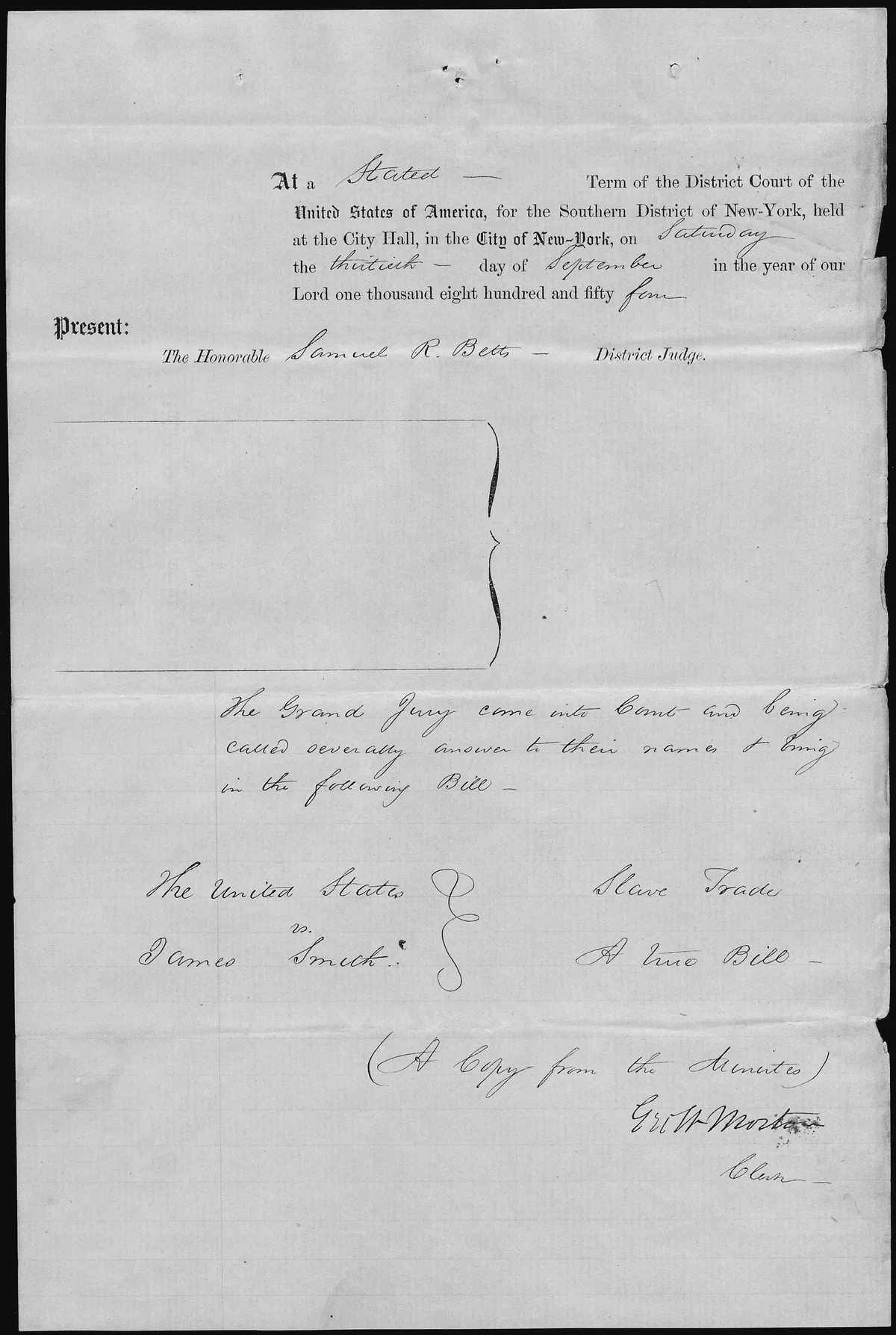
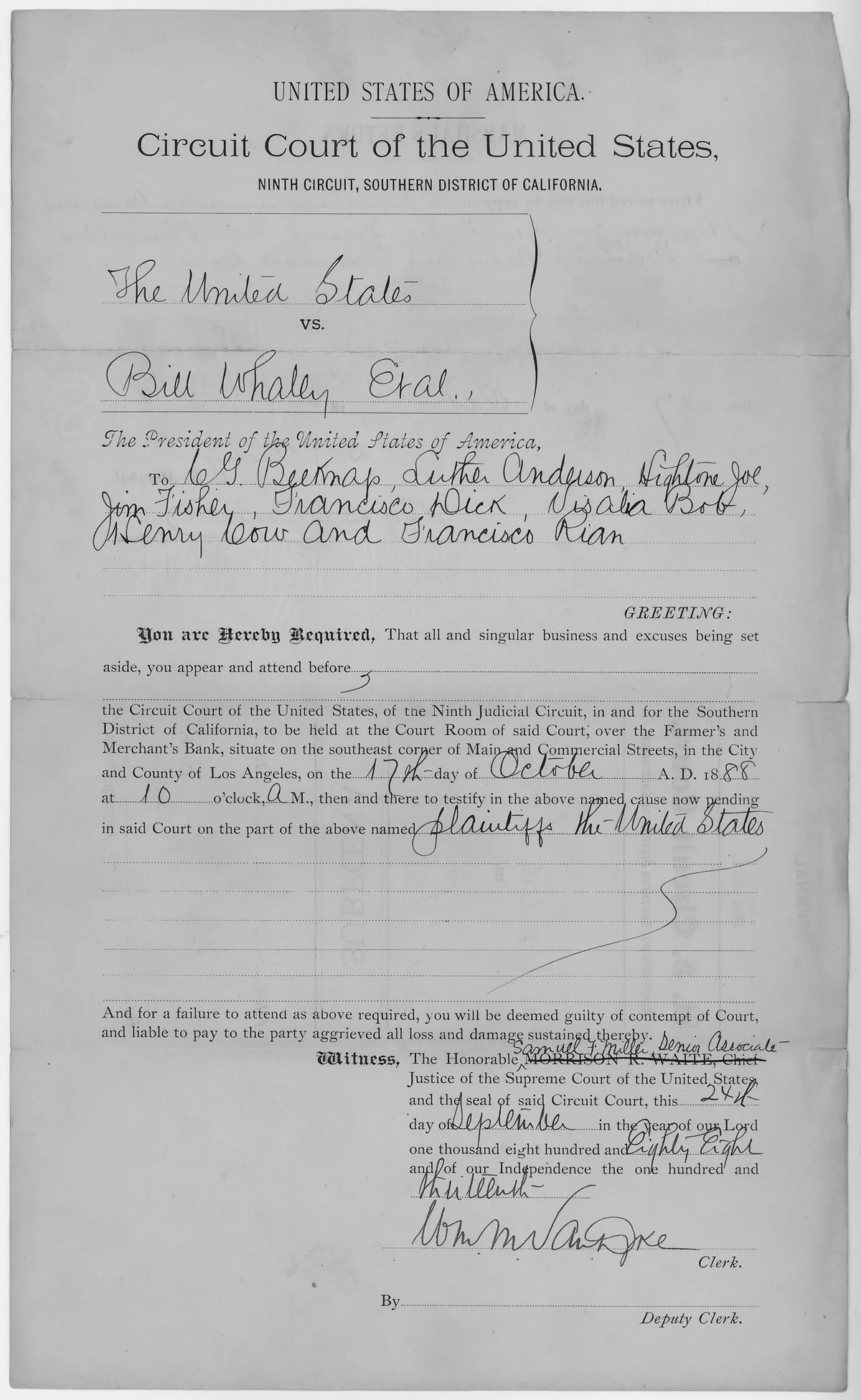
It also helps to know how the formal machinery starts. A criminal subpoena compels testimony or documents, and grand juries decide whether charges move forward at all. Understanding those tools makes any famous case easier to read accurately.
None of this is legal advice. Readers facing real proceedings should consult qualified counsel in their own jurisdiction. The value of revisiting notorious cases is different: it shows how the system learned, and where it still has room to learn more.
What remains unknown
The evidence for how much any single trial changed courtroom practice is mostly qualitative. Court records show what rules changed and when, but tracing a specific safeguard back to one famous case is often a matter of professional lore rather than documented causation. That limit should temper any claim, including the ones in this piece, about a trial's lasting influence. The honest conclusion is that Massachusetts's most-remembered cases endure because they sit at the crossing of public memory and legal change, and only the second half of that can be verified from the record.