Following a court case like a professional means tracking the record, not the noise. The record is the docket: the dated list of every filing, hearing, and order in a case. Read the docket carefully and you will know exactly where a case stands. Rely on headlines alone and you will often believe things the record does not support.
This guide explains how to find and read court dockets, how to interpret the language of rulings, and how to judge whether a piece of justice news today is reliable. It is information about legal process, not legal advice. Anyone with a real stake in a case should speak with qualified counsel. This connects to our earlier piece, FBI reports violent crime fell 3 percent in 2023; what the data can and cannot say.
One principle governs everything below. A charge is an accusation. Before conviction, the accurate words are "charged with" or "accused of" — never "guilty." Journalists who cover courts well repeat this in nearly every story, because the difference between charged, pleaded, convicted, and acquitted is the whole story of where a case stands.
What is a docket, and why does it matter more than headlines?
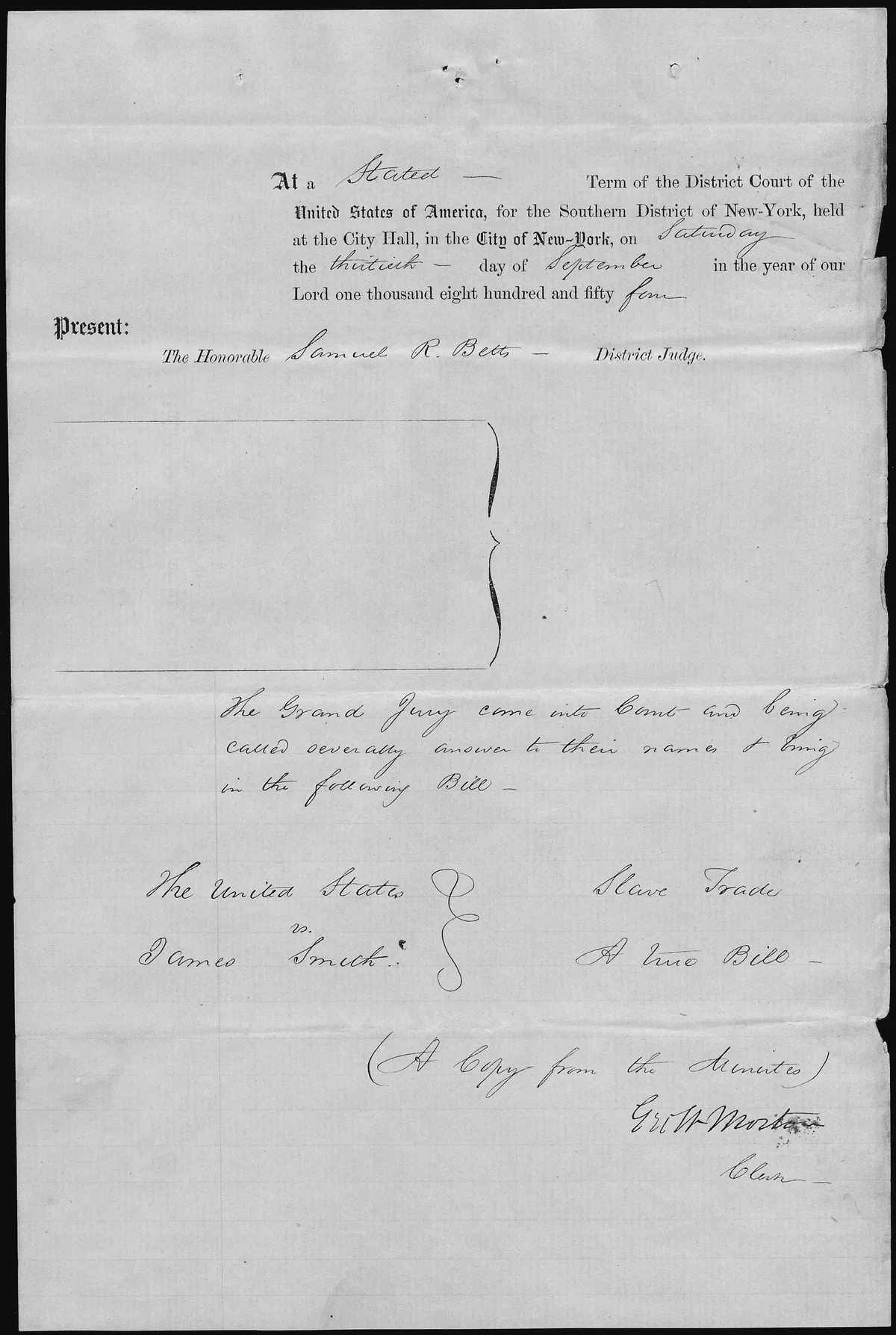
A docket is the court's own running log of a case. Each entry carries a date, a short description, and usually a link to the underlying document: the complaint, an affidavit, a motion, an order. Clerks add entries as events happen, so the docket is the closest thing to a neutral timeline that exists.
Headlines compress. A docket does not. When a story says a defendant "appeared in court," the docket will show whether that was an initial appearance, an arraignment, or a suppression hearing — three very different events. If you want to understand what a federal detention hearing is, and how judges decide, for example, the docket entries for that hearing tell you what the parties filed and what the judge ordered.
The professional habit is simple: before forming a view of a case, look at the last five docket entries and ask what each one actually did. Did it move the case forward, or merely schedule the next step? Most entries are scheduling. A case is rarely as dramatic day to day as coverage suggests.
Where can the public read court records?
In the United States, most court records are public by default. Federal district and appellate courts publish dockets and many filings through online access systems, though some documents — certain exhibits, sealed material, files involving minors — stay restricted. State courts vary more: some offer full free online dockets, others require a visit to the clerk's office or charge per page.
Sealed does not mean suspicious. Courts seal material for defined reasons, often to protect a person's rights or an ongoing investigation. A gap in a docket usually means a gap in public access, not a gap in the case itself.
Our analysis: the single biggest upgrade a casual reader can make is to go from reading about filings to reading the filings. A charging document, read slowly, tells you who alleges what, under which statute, and on what factual basis. Nothing else in the coverage substitutes for it.
How do you read the language of a ruling?
Courts write in a small vocabulary that carries precise meaning, and each word marks a different stage:
- Charged — a prosecutor has formally accused someone. Nothing has been proven.
- Pleaded — the defendant answered the charge in court: guilty, not guilty, or no contest. A plea is an admission in the record, but a guilty plea is not the same event as a conviction after trial.
- Convicted — a judge or jury has found the charge proven, either by verdict or by plea.
- Acquitted — the charge failed. An acquittal is final as to that charge, whatever readers may feel about the evidence.
- Dismissed — the case or a count ends without a conviction, sometimes with prejudice, sometimes so it can be refiled.
Rulings themselves have a grammar too. An order granting a motion gives the moving party what it asked for; denying it does not; granting in part does both. A suppression order keeps evidence out of trial. A summary judgment ruling, in civil cases, decides the case without trial when the facts are not genuinely disputed. When you see a ruling described in the news, check which of these words the court itself used.
The word "justice" itself rewards this kind of care. As Dictionary.com records, it can mean the moral quality of fairness, the administration of law through judicial proceedings, or simply a judge on a high court — three senses that news coverage often blurs. Knowing which sense a sentence uses is half of reading it well.
How do you judge whether justice coverage is reliable?
Reliable coverage shows its sources. Ask four questions of any story:
- Whose account is this? A police statement is a police account, attributed as such. An affidavit is a sworn allegation by a specific affiant. Neither is an established fact, and careful reporting keeps the labels attached.
- What is the date and the status? A case piece should say where things stood "as of the [date] filing." Coverage without a date cannot be checked against the docket.
- Does the story distinguish data from anecdote? One vivid case is a story, not a trend. National numbers come from named statistical programs, and even those have limits — our earlier piece on FBI reports violent crime fell 3 percent in 2023; what the data can and cannot say walks through what such figures measure and what they miss.
- Does it presume innocence? If the headline or the prose treats a charged person as already guilty, the story has failed a basic test, whatever else it gets right.
A useful shortcut: the best court coverage names the document it relies on. "According to the indictment filed Tuesday" or "the appeals court's opinion states" — that shape of sentence means the writer read the record. Vague sourcing means the writer read someone else's summary.
What is a practical daily routine for tracking cases?
You do not need special access to follow cases at a professional level. A workable routine looks like this:
- Pick your courts. Choose the specific courts whose dockets matter to you — a federal district, a state trial court, an appeals court — rather than trying to watch everything.
- Check the docket before the coverage. When a case catches your attention, find its docket number and read the recent entries first. Then read the news with the record in mind.
- Read the primary document for any big claim. If coverage says a judge "slammed" prosecutors or a filing "explodes" the defense, find the order or the motion and see what it actually says. Courts almost never write the way headlines do.
- Note the next procedural step. Every active case has one: a hearing date, a briefing deadline, a trial setting. Write it down. That is how you know when there is real news to expect.
- Track the vocabulary over time. A case that moves from "charged" to "pleaded" to "sentenced" has changed states entirely, and your language should change with it.
For readers who want a wider view, the same discipline applies to institutional news. When the Supreme Court chooses which criminal cases to hear, the cert-stage paperwork — the petitions and oppositions — is public, and reading it tells you far more than a summary of the eventual grant. The same is true of agency actions: when the Justice Department issued its first department-wide corporate enforcement policy, the policy document itself, not the coverage of it, was the thing to read.
What this means for readers
The craft of following court cases reduces to three habits. Read the record, not the summary. Keep the legal vocabulary exact — charged is not convicted, and an arrest is never the end of the story. And date everything, because a case's status is only true as of a moment.
None of this requires a law degree. It requires patience with documents and skepticism toward compression. The courts already publish most of what you need. The professional's edge is simply the willingness to read it.