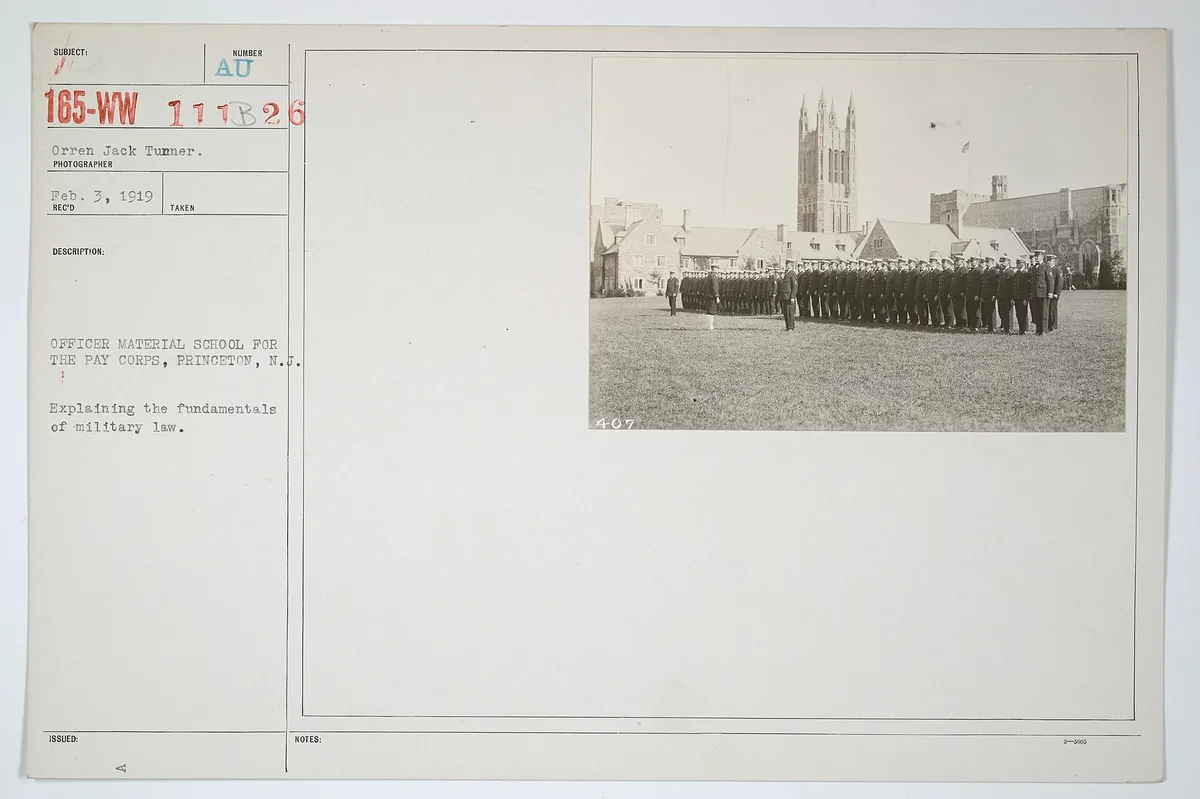
Military law is the separate legal system that governs members of the armed forces. Civilian law is the system of statutes, courts, and procedures that applies to everyone else. The two systems differ in three main ways: the written code that defines offenses, the courts that hear cases, and the role that a chain of command plays in deciding who gets charged and how.
The core of the military system is the Uniform Code of Military Justice, the federal law that sets out crimes and discipline for service members. A person who enlists does not just take on duties; that person also submits to this code. The pattern is visible in ordinary careers. Mykel Hawke, for example, is described in a NETTV4U profile as having joined the Army as an enlisted soldier and later serving as a commissioned officer in Special Forces before retiring as a captain — an enlisted-to-officer path that keeps a service member under military law the entire time, at every rank.
This article explains how the two systems work, where they overlap, and why the differences matter. It is information about legal process, not legal advice. A service member facing charges should consult a qualified military defense counsel. This connects to our earlier piece, What crime pattern analysis units do, and the privacy questions they raise.
What is the Uniform Code of Military Justice?
The Uniform Code of Military Justice, usually shortened to the UCMJ, is the criminal code for the armed forces. Congress wrote it after World War II to replace a patchwork of older service-specific rules. It covers offenses that would be crimes anywhere, such as assault or theft, and offenses that only make sense in a military setting, such as absence without leave, disobeying a lawful order, or conduct that disrespects a superior.
That second category is the clearest dividing line between the systems. A civilian employee who skips work may face discipline from an employer. A service member who is absent without leave can face criminal prosecution. The code treats readiness, obedience, and order as legal duties, not just workplace expectations. It also applies worldwide. A civilian is subject to the law of the place where that person stands; a service member carries the UCMJ wherever the military sends them.
What is a court-martial, and how does it differ from a civilian trial?
A court-martial is the military's criminal court. It is not a separate building but a proceeding: a panel of military members, or in some cases a military judge alone, hears the evidence and decides guilt or innocence. The accused is presumed innocent, has the right to defense counsel, and must be convicted only on proof beyond a reasonable doubt. Those protections resemble civilian trial rights.
The differences sit around the edges. There is no grand jury indictment; charges are brought through a command-driven process. The jury, when there is one, is drawn from the armed forces rather than from the general public. Sentencing can include punishments with no civilian equivalent, such as reduction in rank, forfeiture of pay, or a discharge that follows a person for life. And the appeals path runs through military appellate courts rather than the ordinary state court system, though some cases can eventually reach civilian federal courts.
How does command authority shape military justice?
This is the sharpest difference from civilian practice. In a civilian system, prosecutors decide whom to charge, and they operate independently of the police who investigated. In the military system, the commanding officer holds much of that power. Commanders convene courts-martial, approve or reduce charges, and in less serious cases can impose discipline directly without a trial at all.
Defenders of the system argue that commanders know their units and bear responsibility for their readiness. Critics argue that a commander with operational goals should not also hold prosecutorial judgment, because the roles can conflict. Both positions are arguments, not settled findings, and reform debates over command authority have run for years without a single agreed resolution. What is documented is the structure itself: the convening authority is a command role, which has no true civilian parallel.
What rights do service members keep, and what do they give up?
Service members do not lose the Constitution when they enlist, but some protections apply differently. The right to counsel applies, with military defense counsel provided. The prohibition on self-incrimination applies, enforced through rules that grew out of the same Supreme Court ruling that shaped civilian police procedure. Indictment by grand jury does not apply to military cases, and the Supreme Court has treated military justice as a distinct system within the constitutional framework.
Some rights civilians hold are narrowed in scope. Speech, association, and certain personal choices are regulated more tightly for service members, because the code treats discipline as a legal matter. The practical summary: a service member keeps core due-process protections in a criminal case, but the surrounding legal environment is more restrictive than civilian life.
Where do the two systems overlap?
Overlap runs in both directions. A service member who commits a crime off base may face civilian prosecution, military prosecution, or in some circumstances both, because the systems are separate sovereigns rather than one system split in two. Conversely, civilians can fall under military law in narrow situations, such as during declared war under conditions the code specifies.
For readers following civilian-side enforcement, the comparison is instructive. Questions about who investigates, who decides charges, and who reviews discipline are the same questions that shape civilian oversight — examined in pieces on how internal affairs investigations work and how discipline gets decided and where civilian oversight boards get their power. The military system makes those structural choices unusually visible, because the chain of command sits openly inside the justice process. Readers following this should also see How civilian oversight boards get power, and where they hit limits.
Evidence handling also follows the same logic in both systems. Proof must be collected, documented, and preserved in a way a court can trust; the military applies its own rules of evidence to that task, in the same spirit as the civilian process described in how chain of custody works.
What this means
The differences come down to purpose. Civilian law exists to govern a society of free individuals. Military law exists to govern a force that must maintain order and readiness under conditions where ordinary institutions may not function. The UCMJ criminalizes disobedience and absence because those acts threaten a mission, not just an employer's schedule. Courts-martial use military panels because the system trusts the judgment of peers who wear the same uniform.
Our analysis of the documented structure: the trade the system makes is independence for integration. A civilian prosecutor answers to voters or an elected official; a convening authority answers to the command chain. That integration is the system's defining feature, its chief defense, and the target of most reform arguments. What remains unsettled is where the balance should sit — a question the record shows is contested, not resolved.
For readers who want the wider context of how enforcement systems compare, the enforcement section collects this coverage, and the legal section follows the court processes behind it.