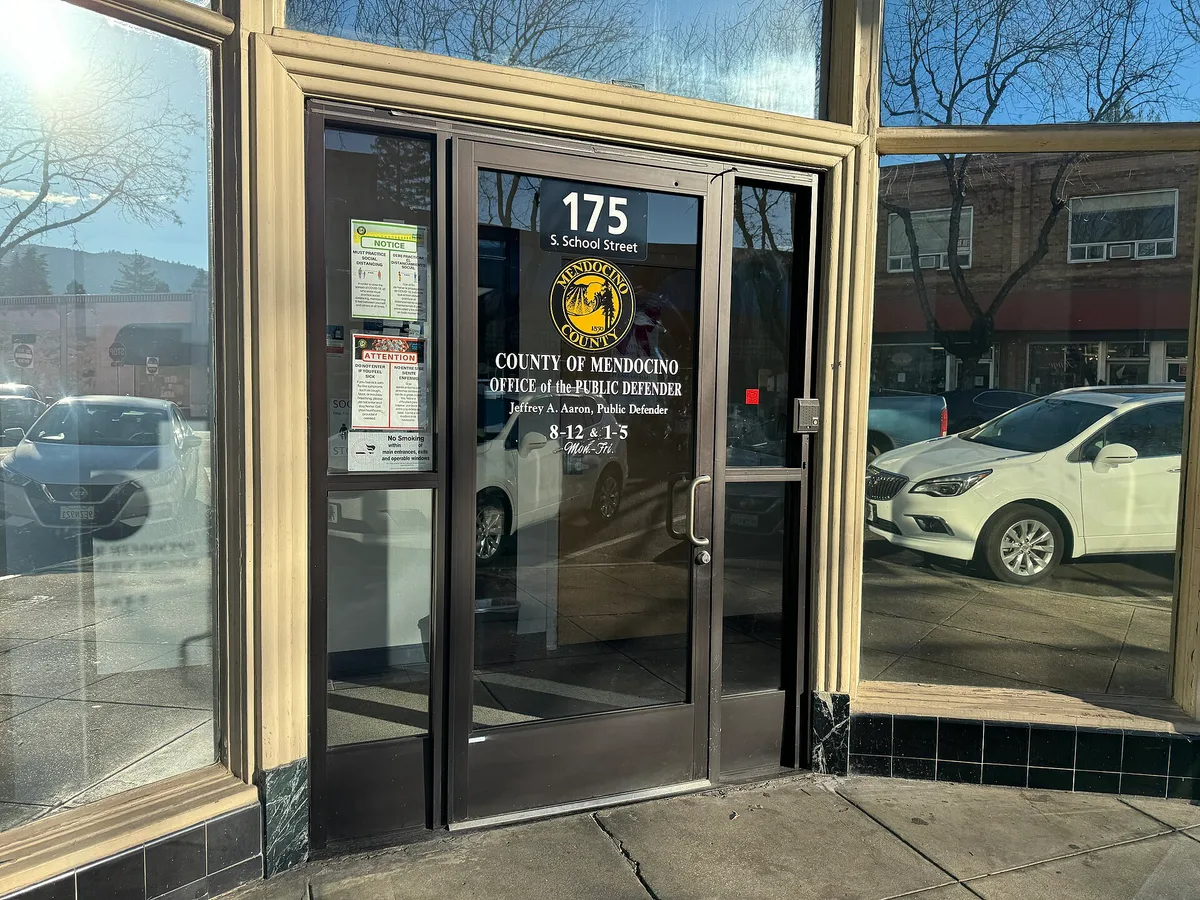
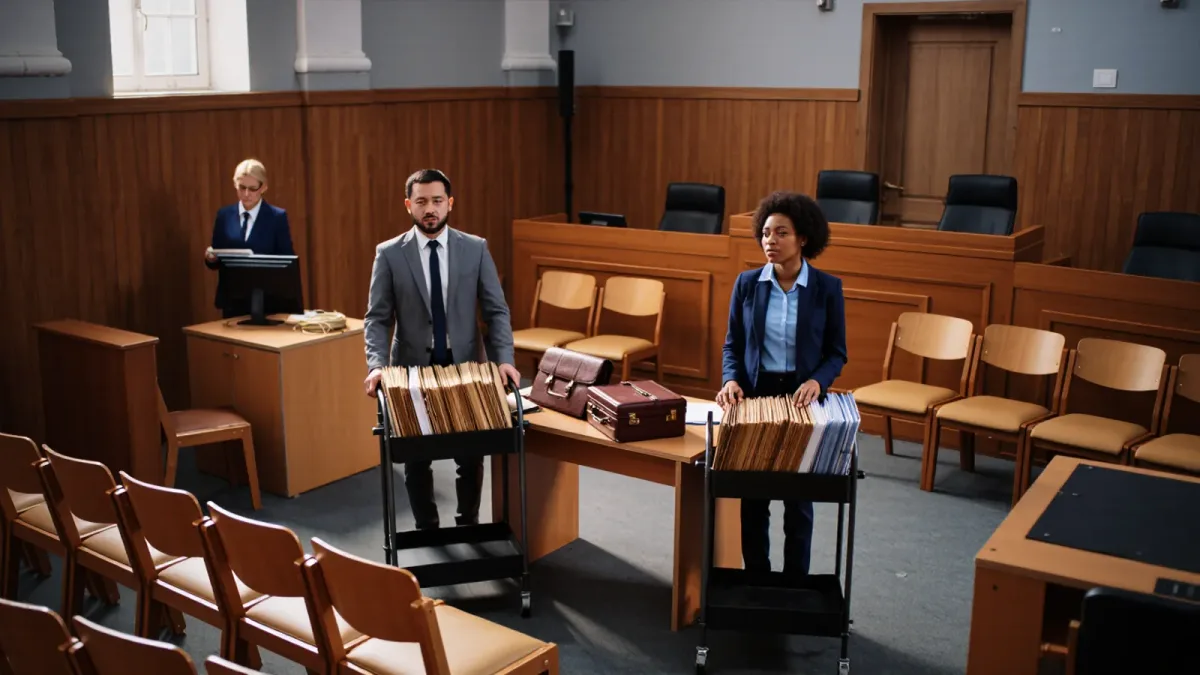
Public defenders: inside the system's hardest job
Who they are, what the caseload looks like, and why the job shapes outcomes for everyone who cannot afford a lawyer.
Legal explains criminal statutes, procedural rules and appellate reasoning in language a non-lawyer can follow. Each piece quotes the governing text, identifies the standard applied, and states what a ruling changes for future cases. Useful for defendants, students, journalists and practitioners needing a fast and accurate reference.
Legal coverage from Daily Detective News.
Who they are, what the caseload looks like, and why the job shapes outcomes for everyone who cannot afford a lawyer.

Online legal services handle paperwork well. They do not represent you, and knowing the difference decides whether they are enough.
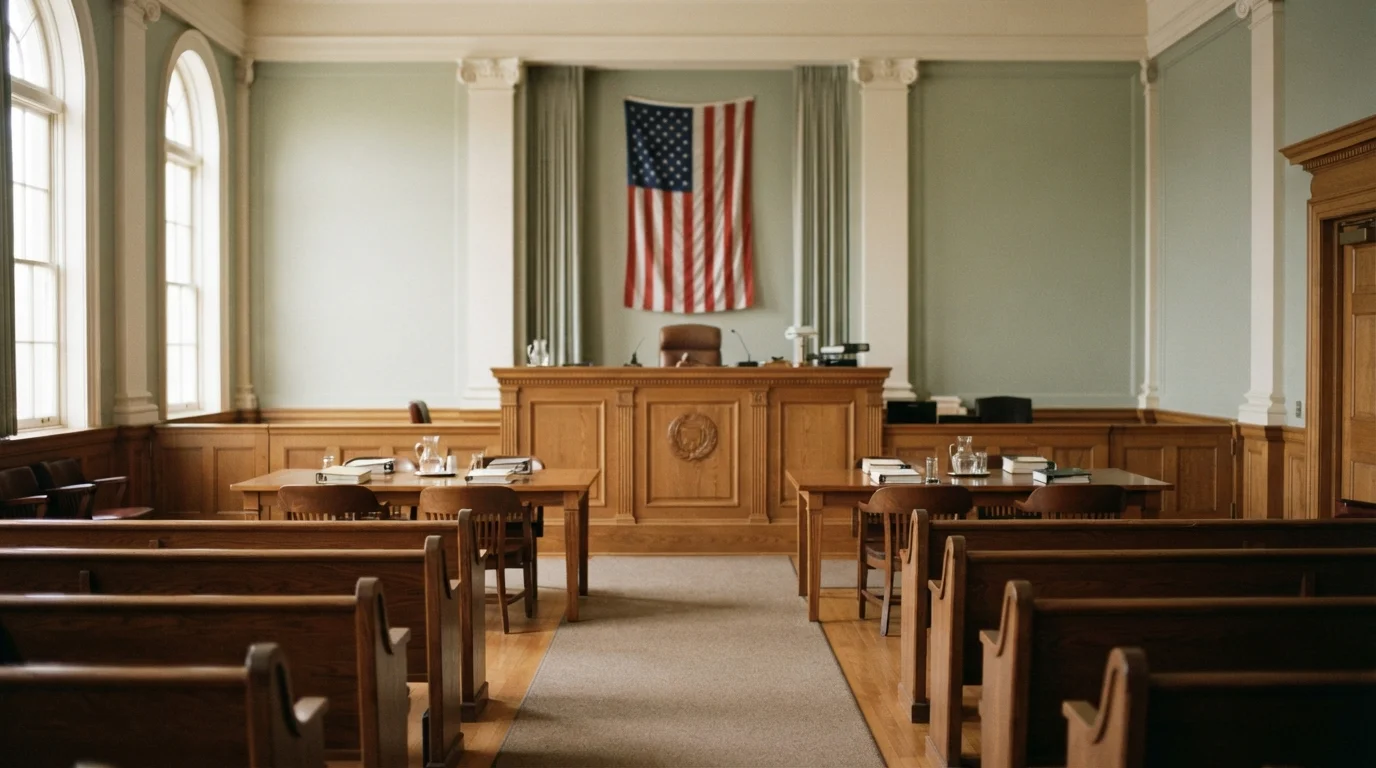
An arraignment is the first court hearing where a defendant hears the formal charges and enters a plea, and in most cases it is over in minutes.
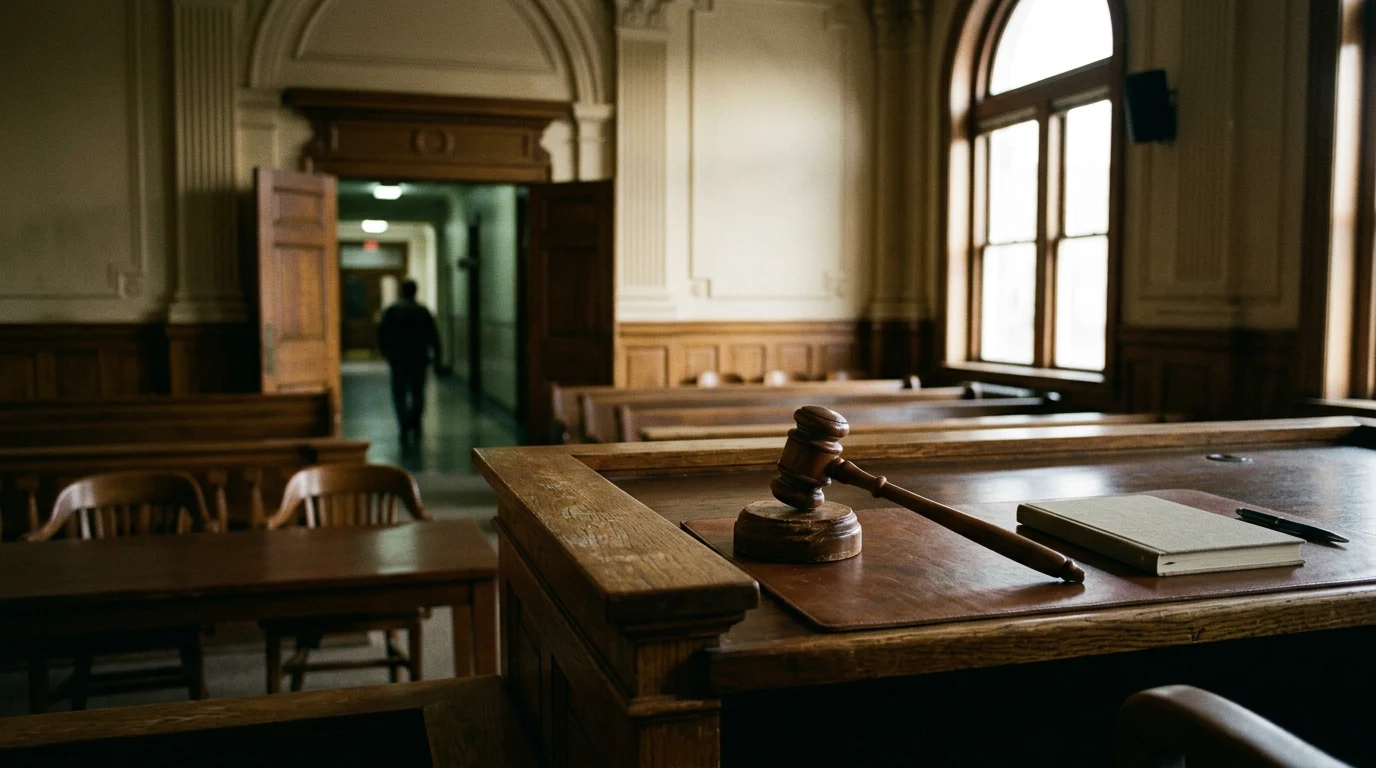
Bail is not a fine or a punishment — it's a court's mechanism for balancing a defendant's presumed innocence against the risk of flight, built on a federal framework and a patchwork of state processes.
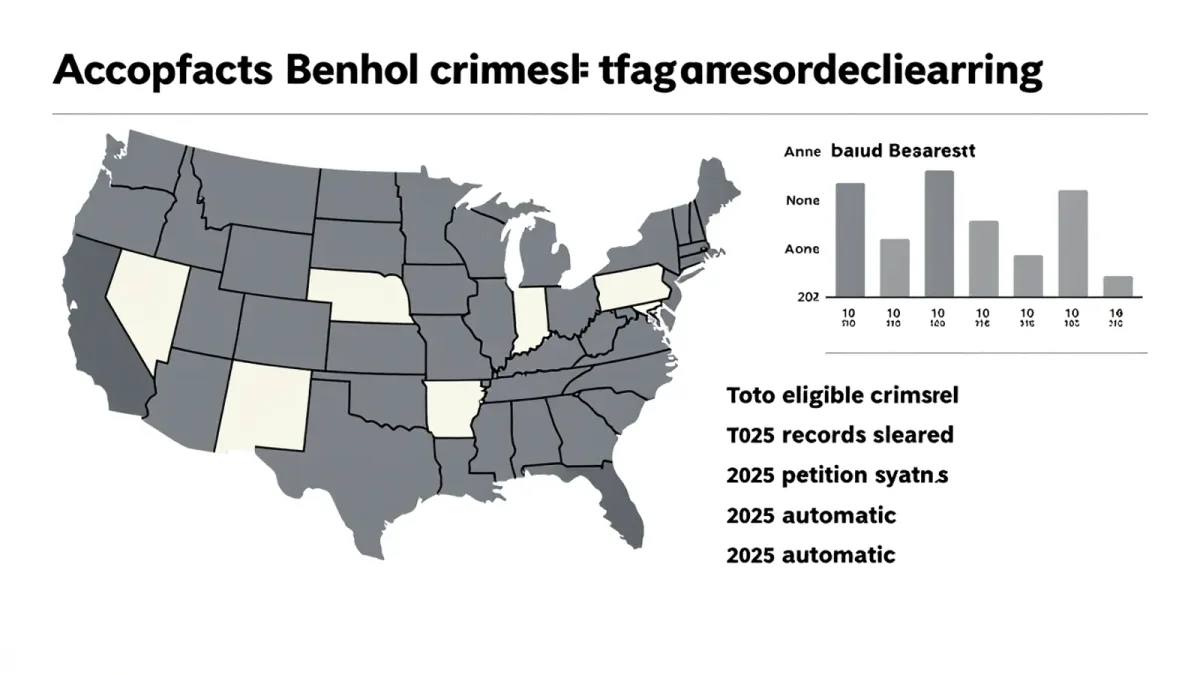
States increasingly erase or seal old criminal records automatically — but eligibility lines are drawn by offense type, waiting period, and jurisdiction.
A mistrial ends a trial without a verdict — by hung jury, procedural error, or misconduct — and the prosecution usually gets to decide whether to try again.