Topic
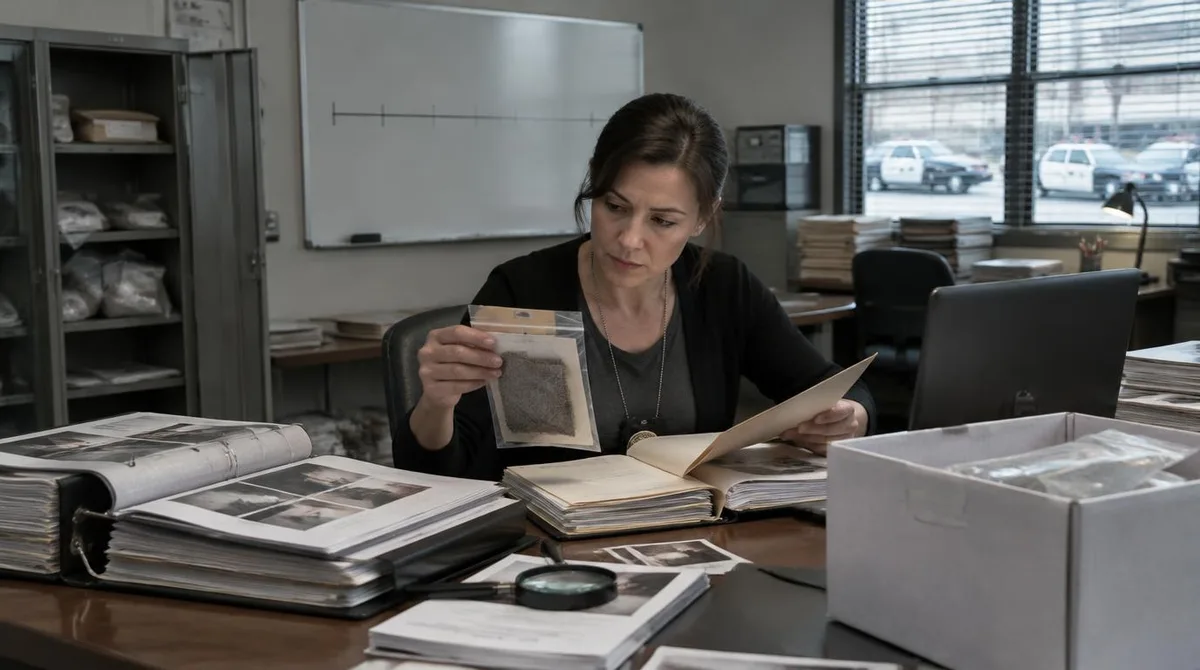
How cold case units reopen investigations that went unsolved
Cold case units re-examine unsolved violent crimes when new DNA testing, genetic genealogy leads, or fresh witnesses give an old file a new path forward.
Cold case units re-examine unsolved violent crimes when new DNA testing, genetic genealogy leads, or fresh witnesses give an old file a new path forward.
A look at how the region's best-remembered prosecutions keep echoing through its rules, its courthouses, and its public memory.
A court-ordered supervision period comes with rules, a reporting officer, and real consequences for breaking them. Here is how the terms work, and how they end.
More than fifty years on, the case remains open. What the record actually supports, and what it does not.
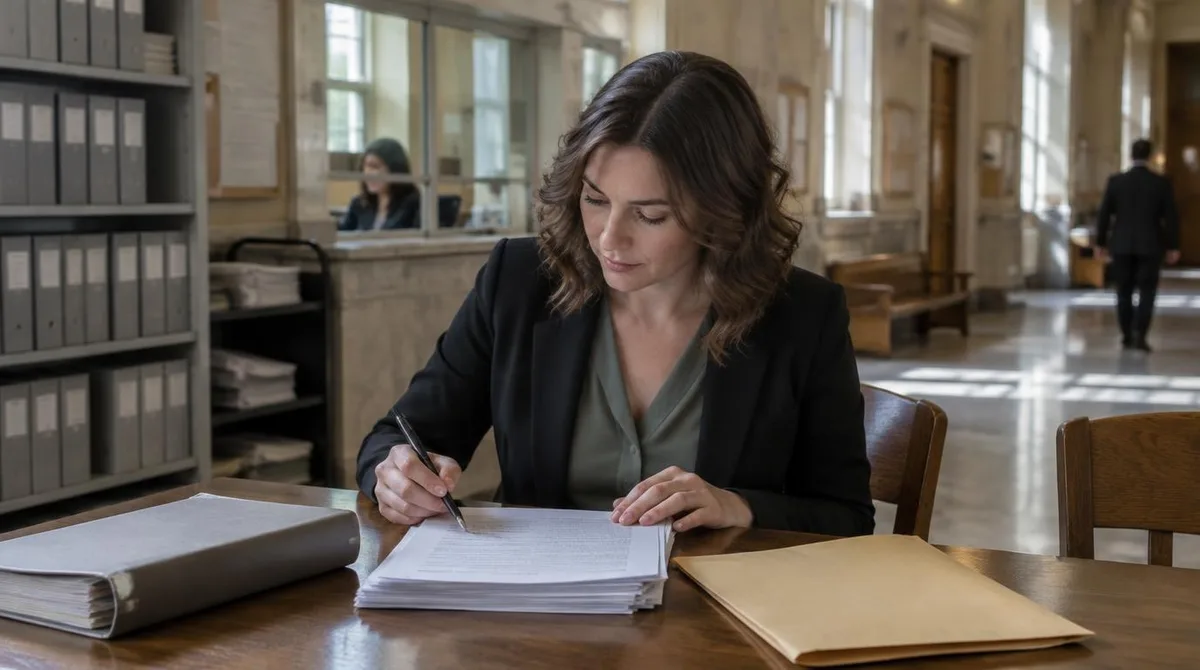
A docket is the court's public diary of a case. Here is how to decode its entries, from the first filing to the final order.
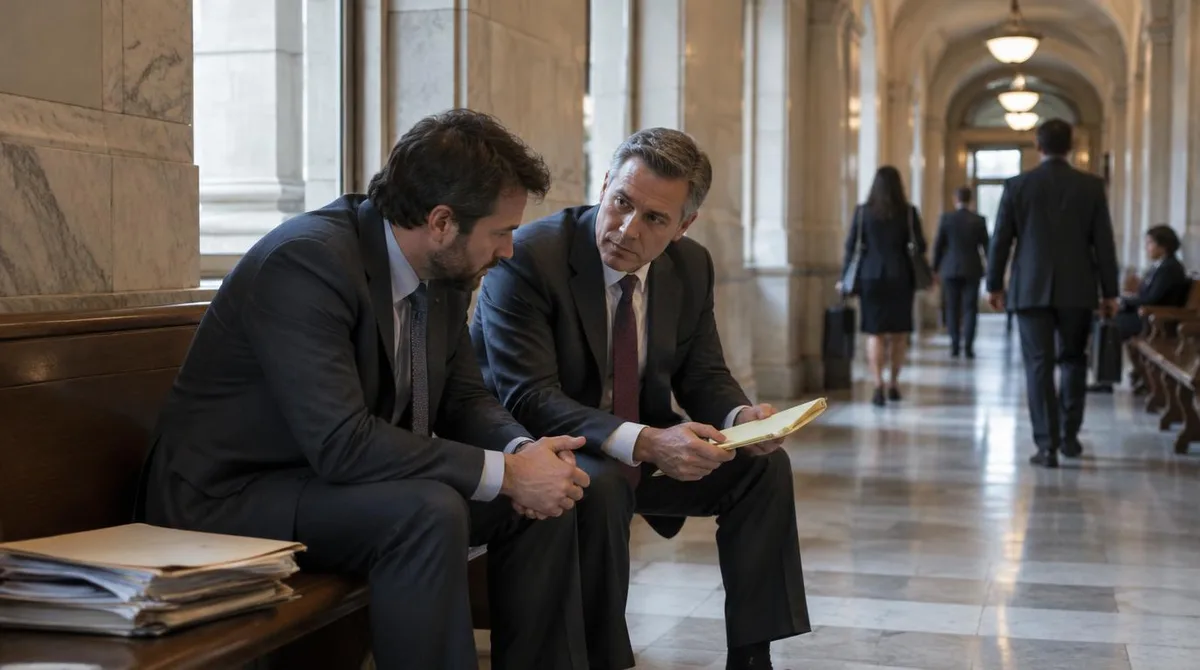
A plea bargain is a negotiated guilty plea in exchange for a lighter outcome. It is the machinery behind most convictions in the United States, and it works because a trial is a risk for both sides.
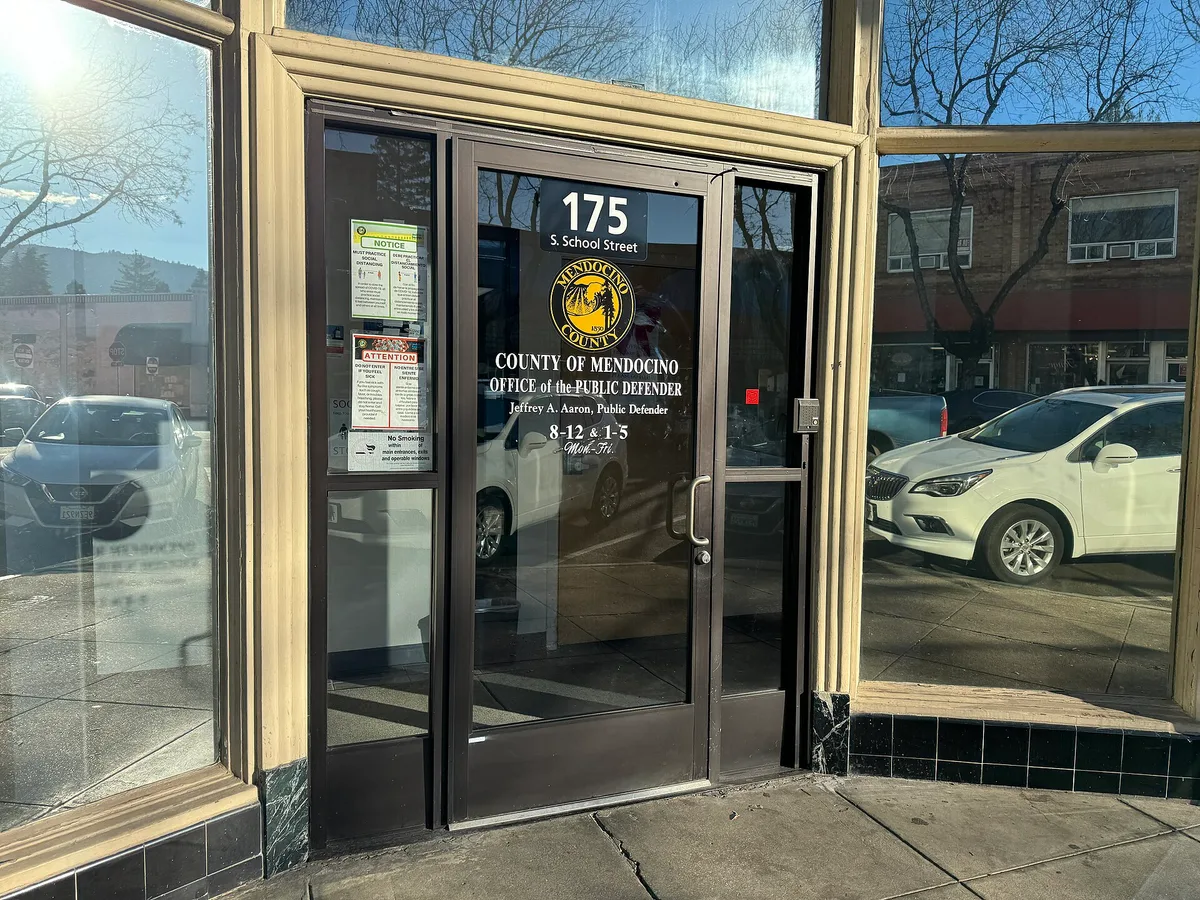
Who they are, what the caseload looks like, and why the job shapes outcomes for everyone who cannot afford a lawyer.
A federal grand jury is a closed-door screening body of 16 to 23 citizens with subpoena power. Here is who sits on it, what happens inside, and how an indictment gets endorsed.
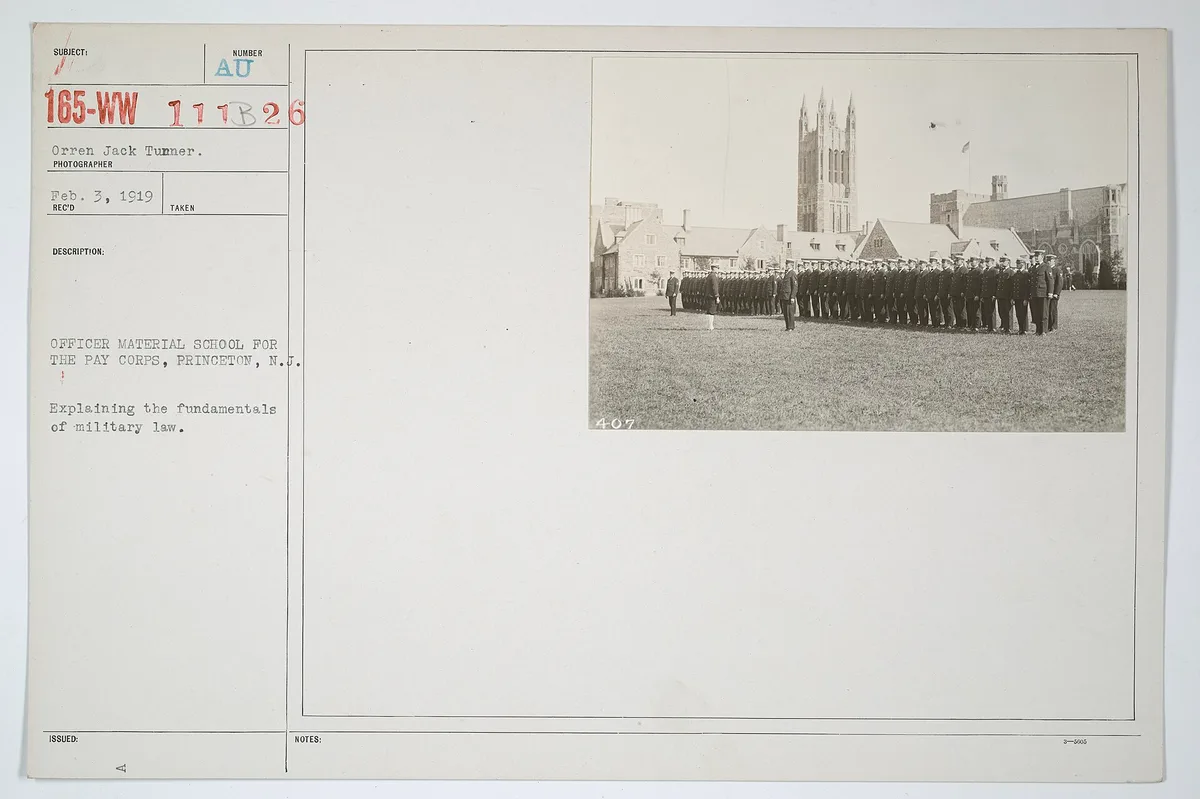
Service members answer to a separate legal code, a separate court system, and a chain of command that civilian defendants never face.
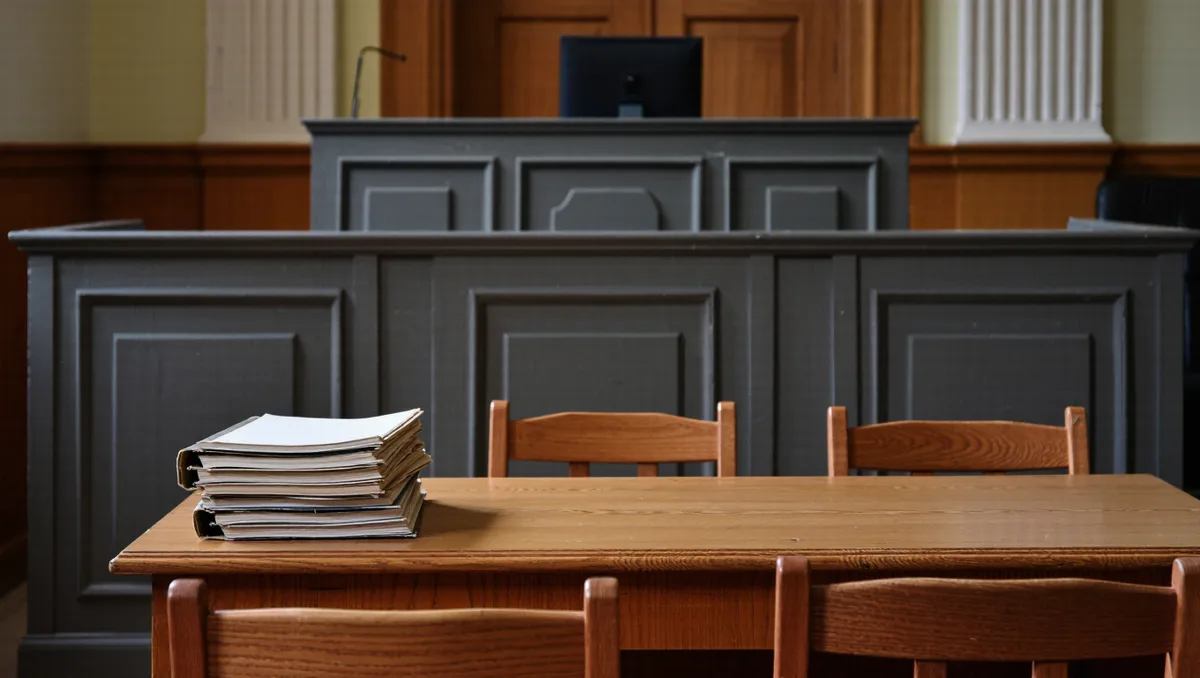
Online legal services handle paperwork well. They do not represent you, and knowing the difference decides whether they are enough.