Federal grand juries answer one big question in American criminal law. Do serious charges move forward, or not? Yet they work in secret. There is no judge in the room, and mostly no defense lawyer. Here is what actually happens inside.
A grand jury is a jury empowered by law to conduct legal proceedings. It investigates potential criminal conduct. It decides whether criminal charges should be brought. It can subpoena physical evidence or a person to testify. It is separate from the courts, which do not preside over its functioning.
Who Sits on the Jury
A grand jury in the United States usually has 16 to 23 members. The name comes from the French word "grand," which means large. It traditionally has more jurors than a trial jury. A trial jury is sometimes called a petty or petit jury, from the French word for small.
The jurors are citizens, not judges. They hear the government's case first, before any trial exists. Service is a civic duty, like any jury. Members come from the community. They serve for a set term. For related coverage, see What the Arbery case's federal hate crime convictions established.
What the Jury Actually Does
Grand juries perform two kinds of functions. They are accusatory, and they are investigatory. The investigatory side includes obtaining and reviewing documents and other evidence. It also includes hearing sworn testimony from witnesses. The accusatory side decides whether there is probable cause to believe a crime was committed. More precisely, that one or more persons committed a particular offense within the jurisdiction of a court. This connects to our earlier piece, What bail is, and how a judge decides whether to set it.
Proceedings start at the instigation of the government or prosecutors. They are done ex parte and in secret deliberation. The accused has no knowledge of the proceedings. The accused also has no right to interfere with them.
The setup surprises people. There is no opposing side in the room. The defense is usually not there. The jurors hear one account, weigh it, and vote.
"A True Bill": How an Indictment Happens
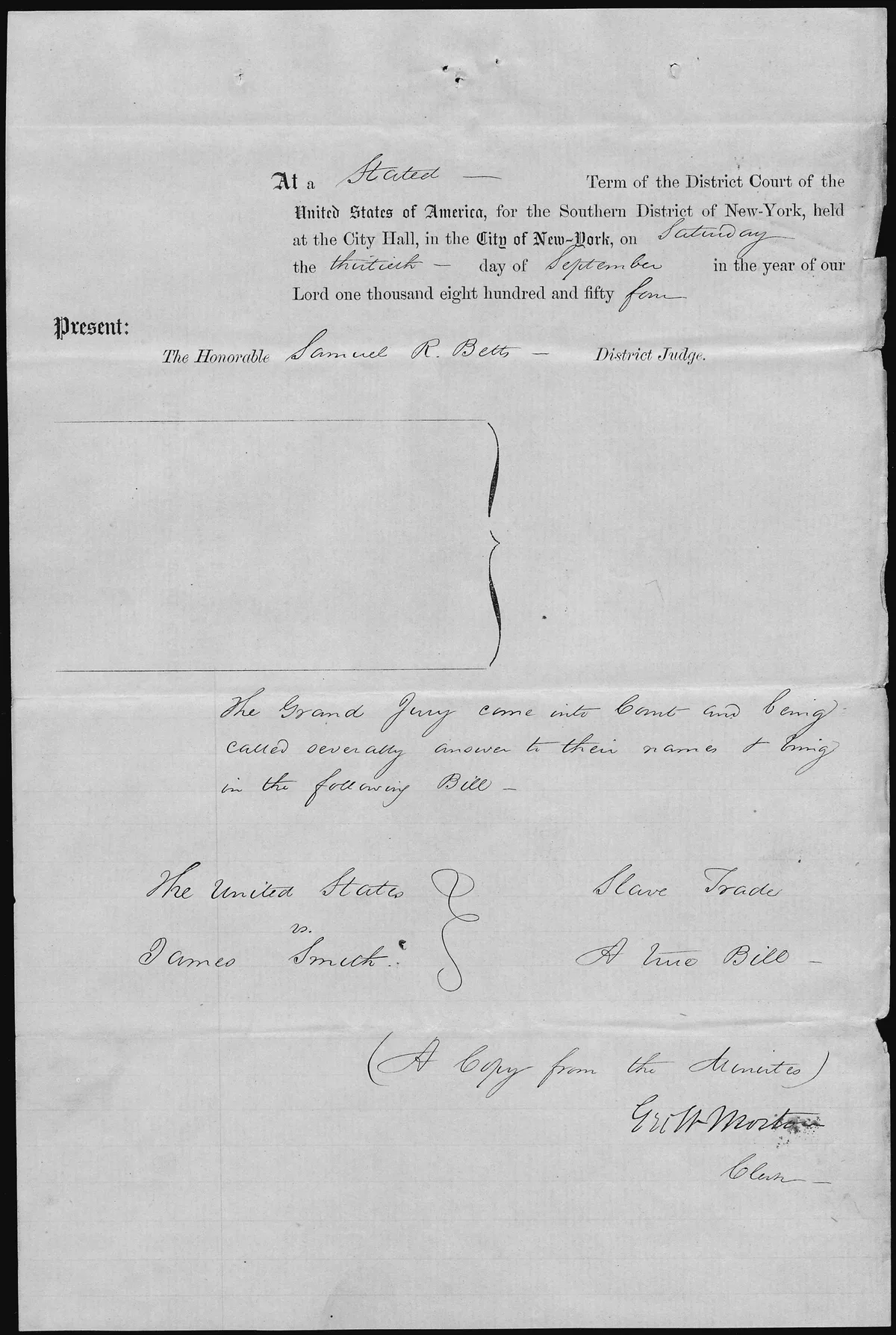
The accusation is usually drawn up in form by the prosecutor or an officer of the court. The jurors study it. If they find it credible, they write on the indictment the words "a true bill." The foreperson signs it. It is then presented to the court publicly, in the presence of all the jurors. If the case is not proven to their satisfaction, they decline to endorse it. The charges do not move forward on that indictment.
Shield and Sword: Why the Design Is So One-Sided
The grand jury has been described as both a shield and a sword. Federal courts have repeatedly affirmed its protective function. The U.S. Supreme Court has described the institution's historic office. It provides a shield against arbitrary or oppressive action. Serious criminal accusations are brought only on the considered judgment of a representative body of citizens.
A federal district court put it more bluntly. The purpose of a grand jury is to serve as a shield against unjust prosecutions. It is not a sword to rubber-stamp criminal charges.
The design has critics and defenders. The critics point to the secrecy. The defenders point to the shield. Both read the same history.
Conclusion
A federal grand jury is neither a trial nor a formality. It is a closed-door screening body. It has 16 to 23 citizens, subpoena power, and sworn witnesses. It makes one decision: probable cause, or no indictment. Secrecy protects witnesses and investigations. The historical promise is the other side of the same coin. It protects citizens against baseless prosecution. When an indictment lands, a representative body of citizens found the accusation credible.
This article is for general educational purposes only. It is not a substitute for guidance from a licensed attorney about any specific case.