Topic
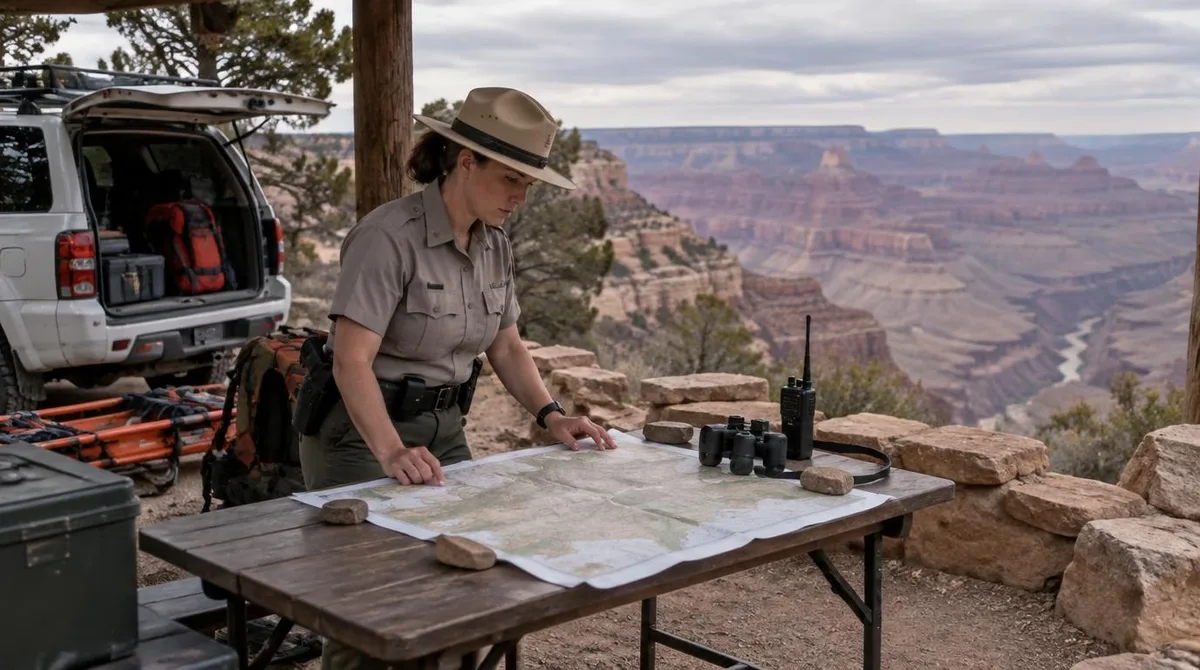
Grand Canyon Missing Person: What We Know About the Search
A missing person report at a national park sets off a defined process. Here is how that process works, and how to tell verified information from rumor.
A missing person report at a national park sets off a defined process. Here is how that process works, and how to tell verified information from rumor.
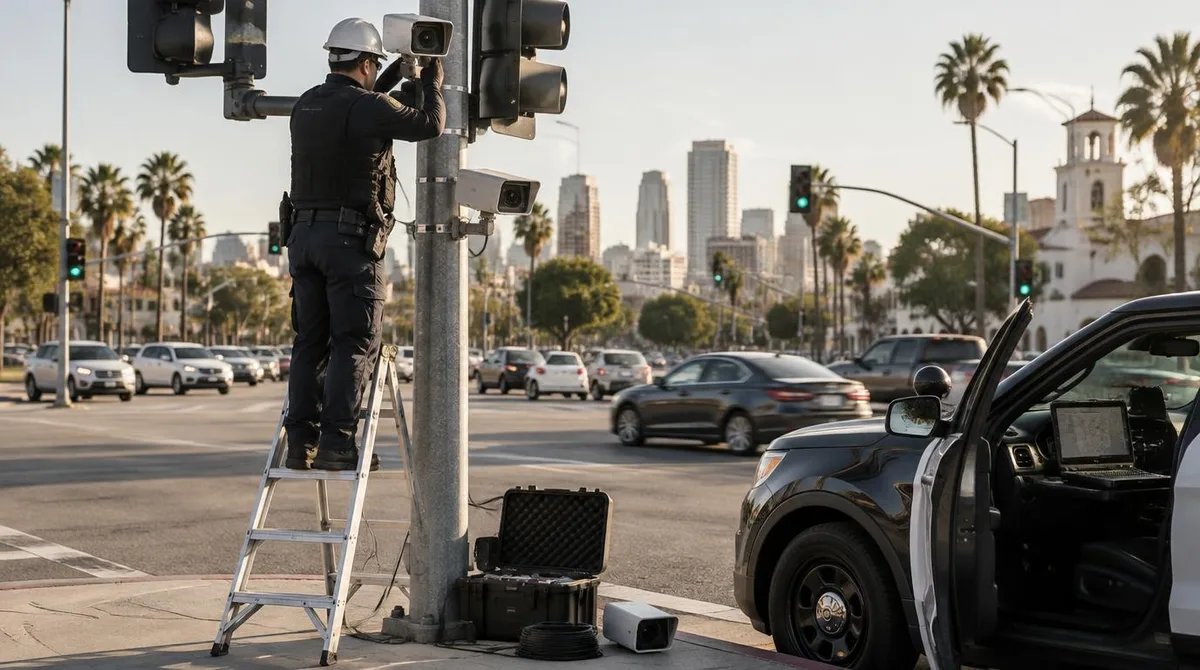
Automated license plate readers store a record of every passing car, and state law plus local policy now set how long that data survives.
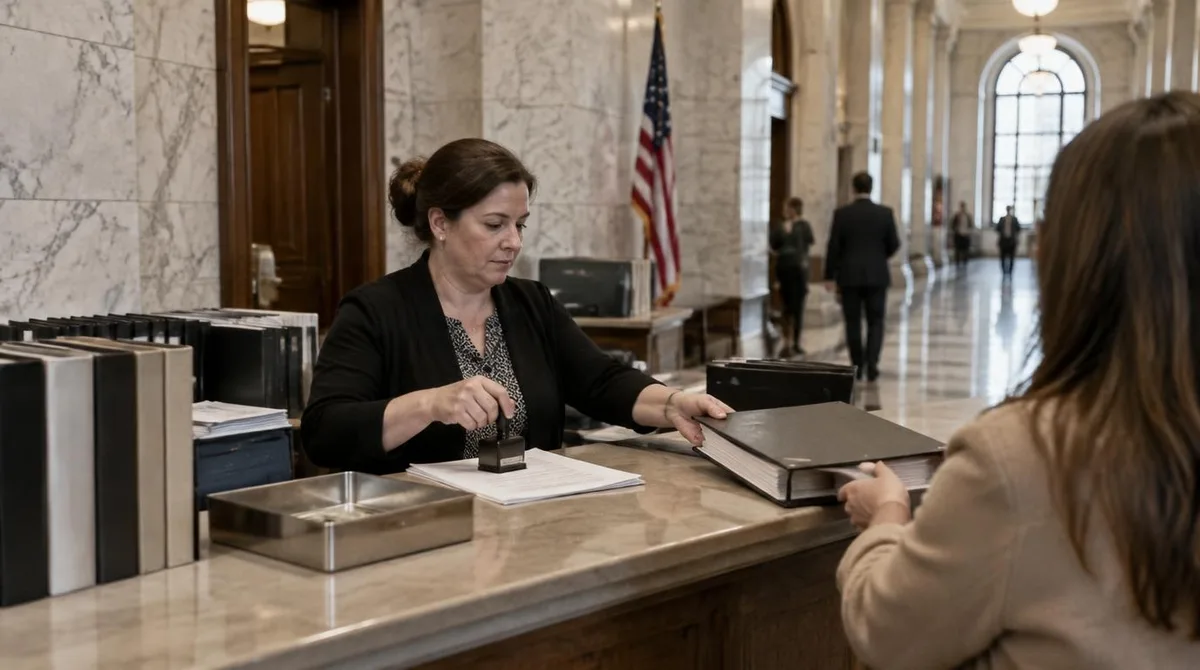
The clerk of court is an administrative officer appointed by the judges to manage the flow of cases, maintain court records, and handle financial matters, and the office builds the case file the public reads.
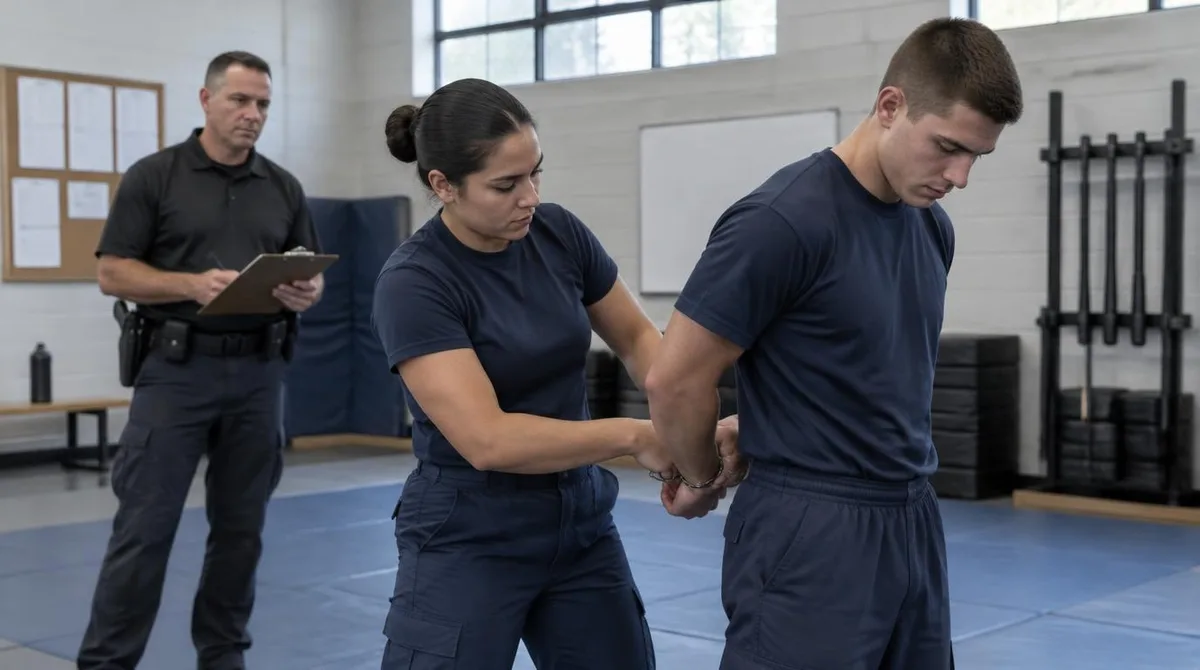
Federal census data put average police academy basic training at 806 hours in 2022, with 85 percent of recruits completing the course.
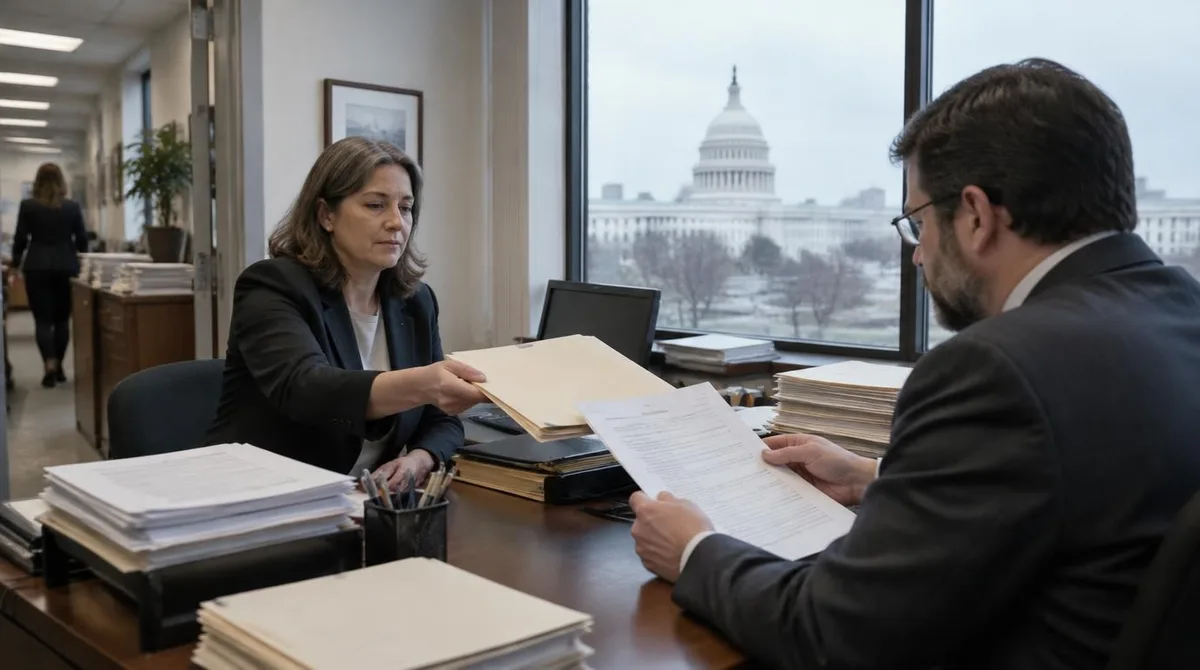
A federal whistleblower case moves through named offices on fixed clocks: a protected disclosure, an inspector general or Office of Special Counsel review, a merit board hearing on retaliation, and a seven-day route to Congress for intelligence reports.
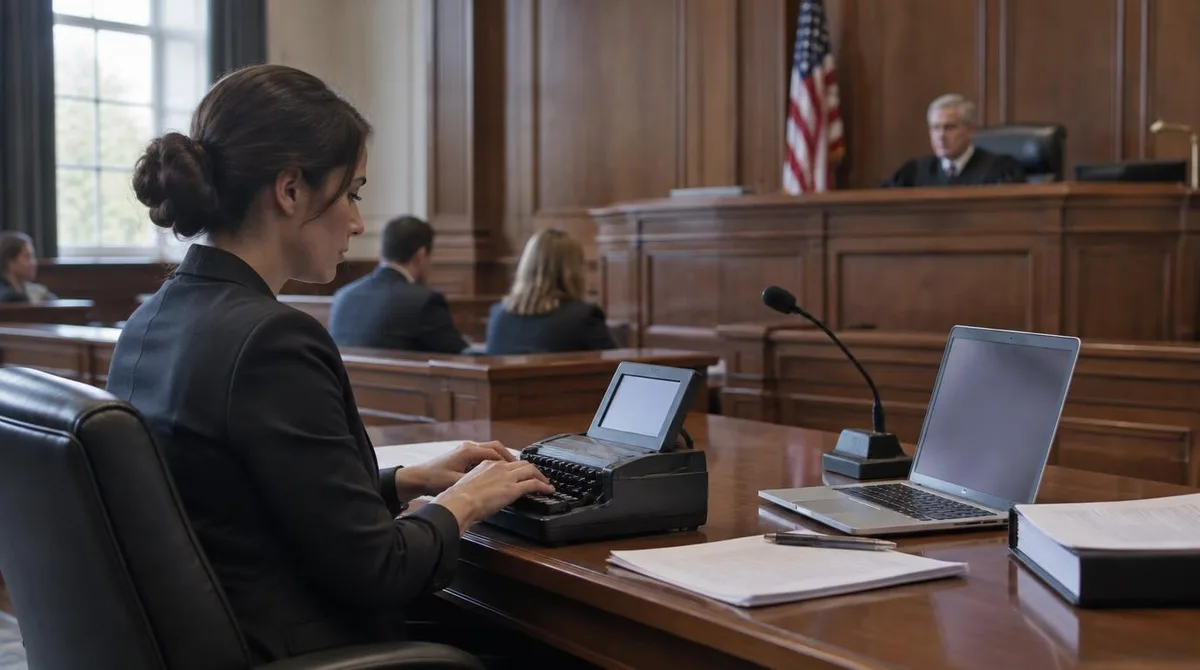
A court reporter takes down courtroom testimony word for word and turns it into the certified transcript that appeals rely on. Federal law requires verbatim recording of court proceedings, by stenograph, stenomask, or electronic sound recording.
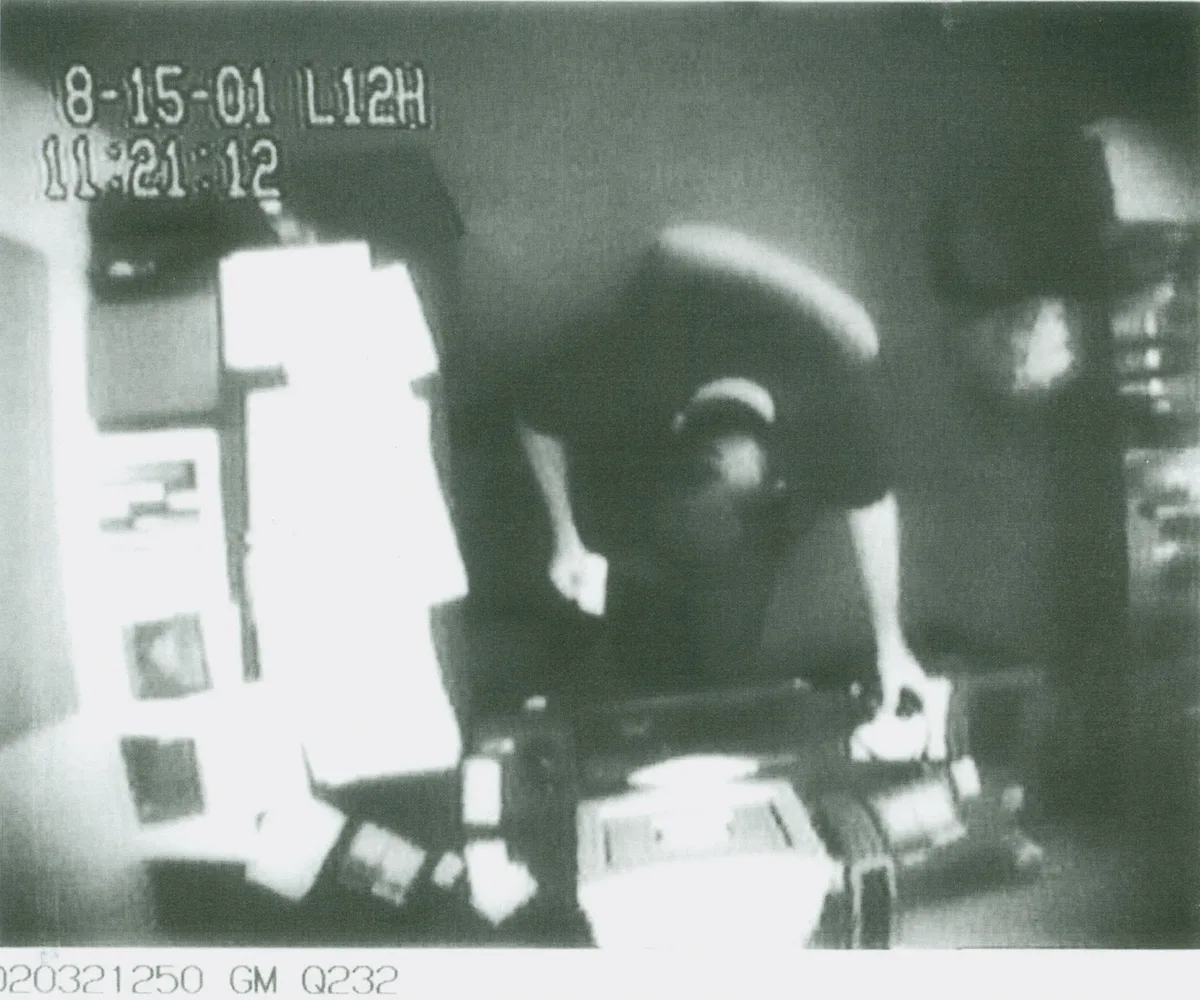
The espionage convictions of Aldrich Ames and Robert Hanssen showed that trusted insiders with authorized access cause the deepest intelligence losses, and the cases produced standing counterintelligence reforms.
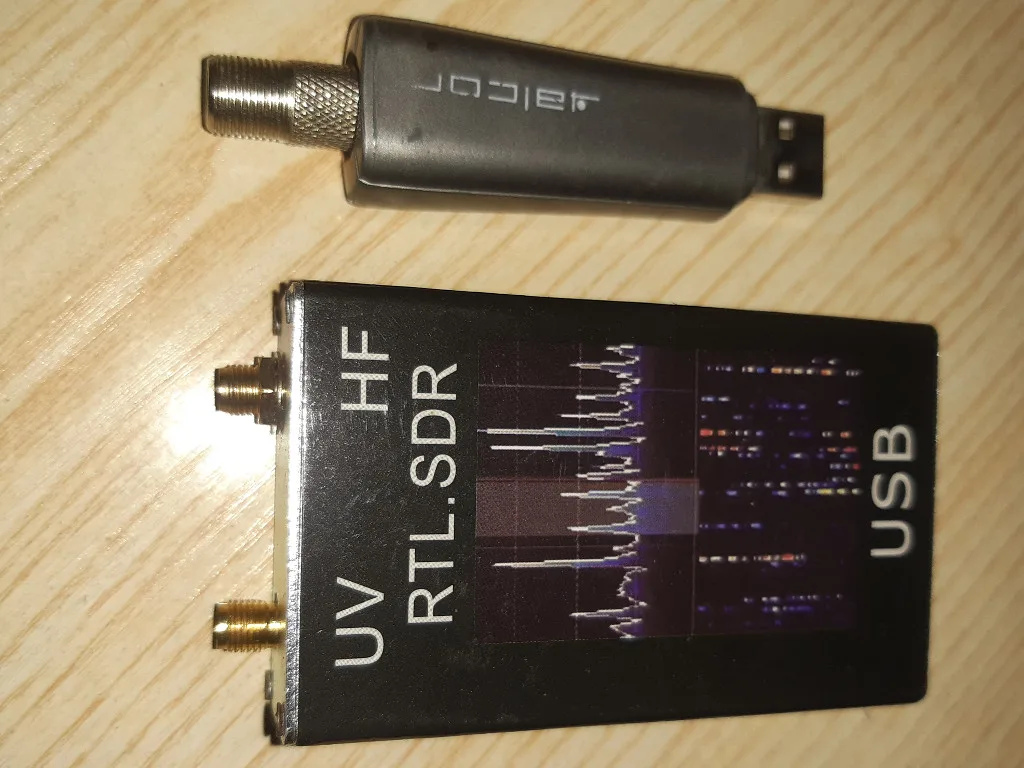
A small receiver and free software can open aircraft, satellite and public-safety signals to civilians — within limits the law sets.

Online legal services handle paperwork well. They do not represent you, and knowing the difference decides whether they are enough.
Rank means different things in a city department, a sheriff's office, and a federal agency. Here is how the hierarchies fit together, and where they do not.