An online legal service such as LegalZoom is a document-preparation and legal-forms company, not a law firm acting for you. It helps people and small businesses produce standard paperwork — company formation filings, wills, trademark applications, lease and contract templates — usually with some review by a participating attorney, and often with an option to speak to an independent lawyer for a fee. What it does not do is stand beside you as your advocate when a matter turns contested.
That distinction is the whole answer. DIY legal platforms work well for defense-adjacent, low-conflict tasks: routine filings, standard agreements, name and trademark registrations, and administrative steps like starting the paperwork for an expungement. They become the wrong tool the moment a dispute has two sides, a judge will weigh judgment rather than check a box, or the consequences of a mistake are severe. This article explains where the line sits. It is information, not legal advice; a reader with a live case should speak to a qualified lawyer in their own jurisdiction.
The word behind the brand is worth a moment. According to Merriam-Webster, "legal" means, in its first sense, simply "of or relating to law" — and in another sense, "conforming to or permitted by law or established rules." A DIY service lives in that second sense: it helps you produce documents that conform to established rules. It cannot tell you whether those rules, applied to your particular facts, produce the outcome you want.
What does LegalZoom actually cover?
The core products fall into a few buckets. Business formation is the flagship: articles of incorporation or organization, registered-agent service, employer identification numbers, and operating or bylaw templates. Estate planning is the second: wills, living trusts, powers of attorney, and healthcare directives built from questionnaires. A third bucket covers intellectual property — trademark searches and applications — and a fourth covers everyday documents such as NDAs, leases, promissory notes, and name-change or power-of-attorney forms.
Most platforms in this category also sell access to independent attorneys through subscription advice plans or one-off consultations. The structure matters. In those arrangements, the lawyer typically works through the platform as an independent provider, and the platform itself is careful to say it is not a firm and does not practice law. Read that fine print as what it is: the document company prepares; a separate professional, if you engage one, advises.
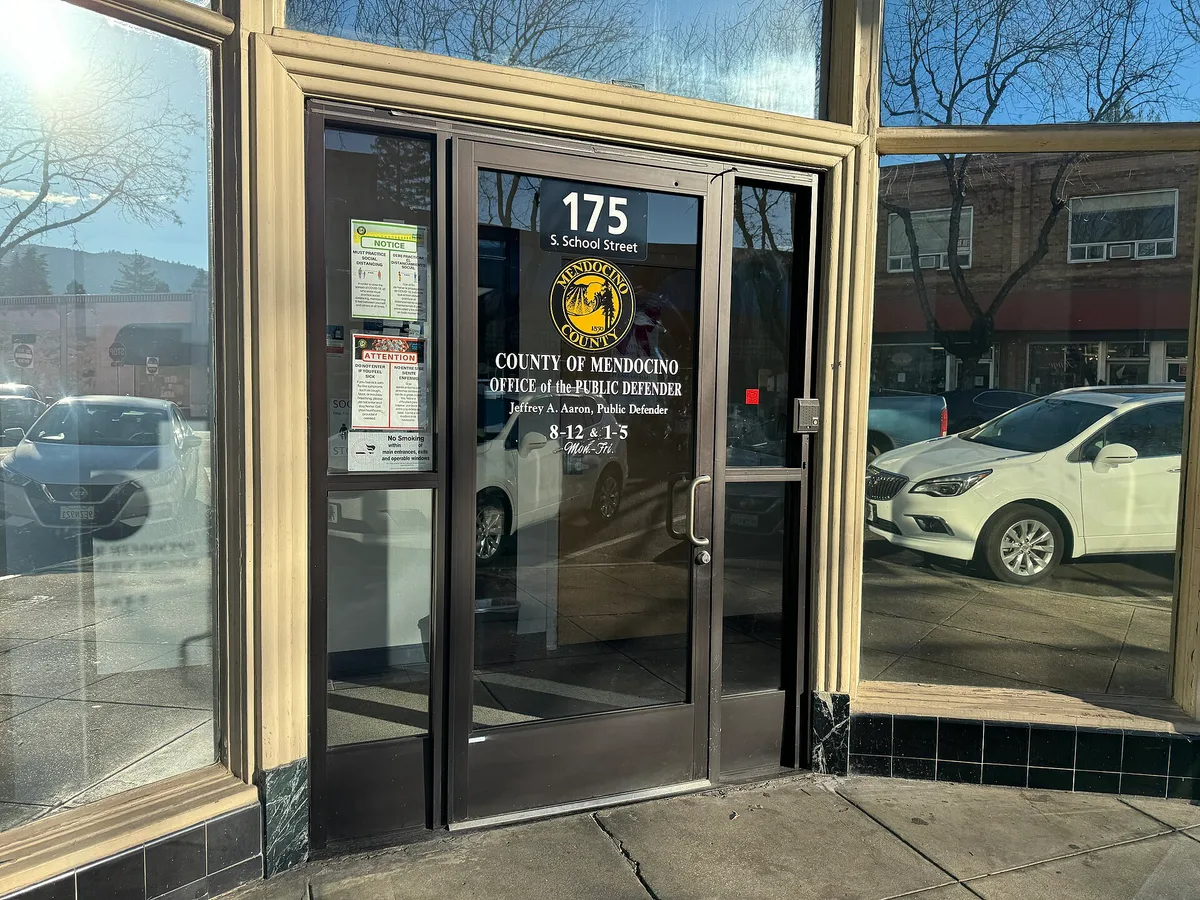
What sits outside the coverage is equally consistent across the category. Court representation is out. Negotiating with an opposing party is out. Defending you in litigation, responding to a subpoena, or arguing a motion is out. A forms service can prepare the paperwork that starts a proceeding; it cannot fight one.
When does DIY law actually work?
The reliable zone has three features, and all three should be present.
- Low conflict. Nobody on the other side disagrees with you. Forming a company, filing a trademark, drafting a will that mirrors a standard family situation — these are largely administrative.
- Standard facts. Your situation matches the template's assumptions. A married couple leaving everything to each other, then to their children, fits. A blended family with a prior business interest and a disabled dependent does not.
- Reversible mistakes. If an error surfaces, the cost of fixing it is small. A wrong middle initial on a filing is annoying; a will that fails for want of proper execution cannot be fixed after death.
Within that zone, the value proposition is real. A founder who needs an LLC this week, at a predictable price, without learning corporate law, is the customer these services were built for. The paperwork is standardized because the underlying task is standardized.
When do you need actual counsel?
The line is not about the document; it is about judgment. A lawyer is not mainly a typist. A lawyer decides which document to use, what to leave out, how to structure a term so it survives contact with a dispute, and what the local rules require that the national template does not. You need that judgment when any of the following is true.
- There is an adverse party with counsel, or likely to get one. A contested divorce, a partnership breakup, a dispute with a former employer — templates assume cooperation that no longer exists.
- The stakes are severe or irreversible. Criminal exposure, immigration status, custody, and anything with a deadline set by a court belong with a licensed attorney. A missed filing deadline in a criminal matter is not a formatting problem.
- The facts are unusual. Large assets, prior marriages, family members with special needs, cross-border business, or unusual liability exposure all push a standard form past its design limits.
- You are already in a proceeding. Once a case is filed — civil or criminal — the procedural machinery takes over, and the machinery is unforgiving. Our coverage of What an arraignment is, and what happens next shows how quickly formal steps follow one another once a court is involved; nobody should navigate that sequence with a form kit.
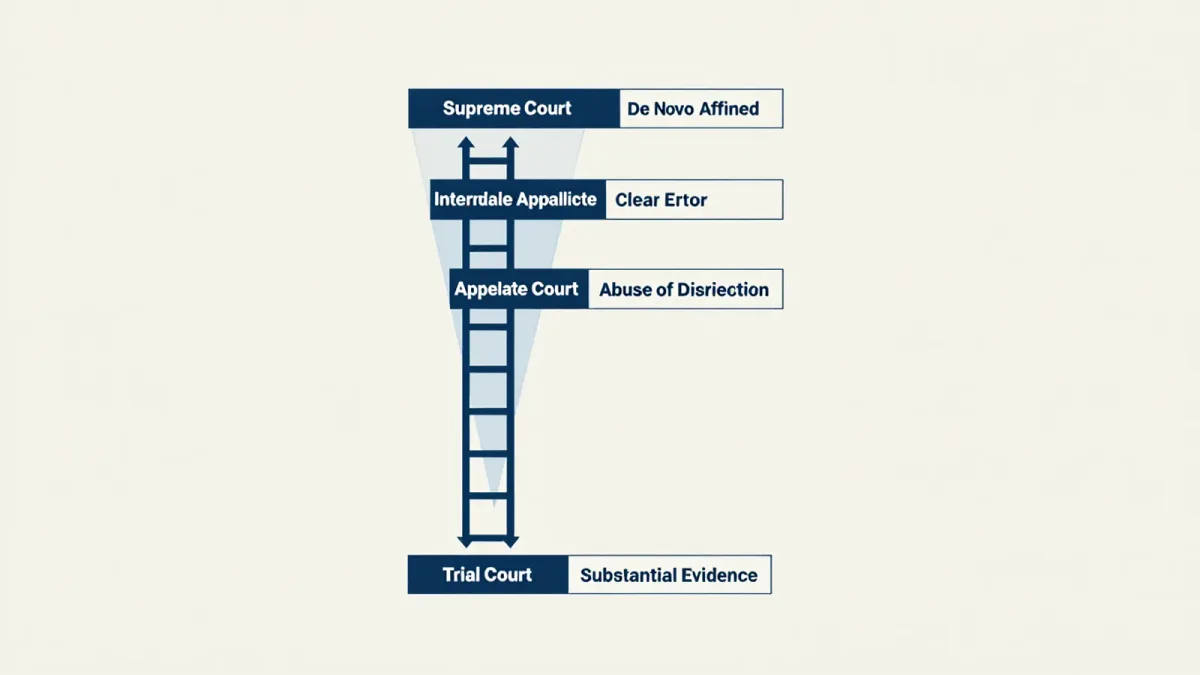
One more category deserves its own sentence: anything where the state is on the other side. Criminal defense is a specialist's work, and the reasons are structural — the consequences run from liberty to record, and the procedures are technical. Readers who want the shape of that machinery can start with our explainers on How plea bargains work, and why most cases end without a trial or How appeals work, and what a standard of review actually decides. Nothing in either is a task a forms platform performs.
What this means for the defense-adjacent reader
The brief behind this piece asks a narrower question: when do online legal services help with matters adjacent to a criminal or enforcement matter? The honest answer is: at the administrative edges, and only there.
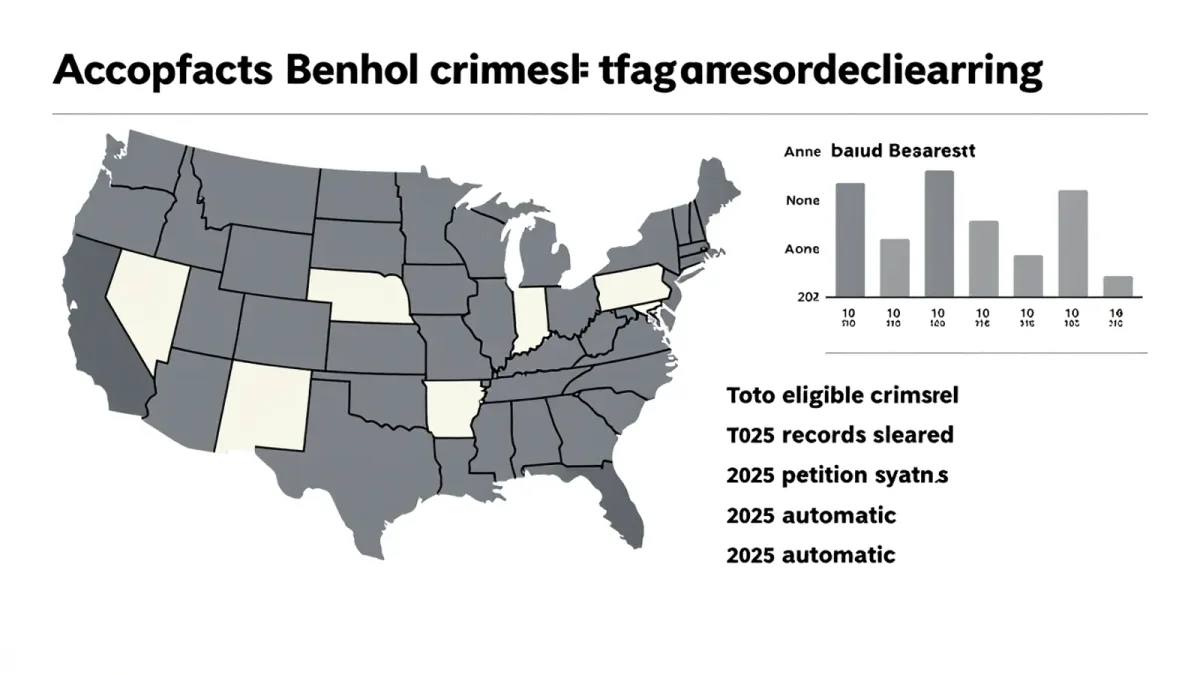
Consider record relief. Someone whose case has concluded may want an old conviction or arrest record cleared. Our explainer on How expungement and sealing work, and who qualifies sets out the process. DIY services can help assemble the petition paperwork in straightforward cases — the forms are standardized, the eligibility rules are published, and the filing is administrative. But eligibility itself is the trap. Whether a record qualifies, and whether a particular offense is even sealable in a given state, is a legal question that a questionnaire answers poorly. Where eligibility is doubtful, a lawyer's read of the statute comes first and the paperwork comes second.
The same pattern holds for deadlines. Statutes of limitation and court-imposed filing windows are hard edges; our piece on How statutes of limitations work in criminal cases, and when the clock stops explains how the clock behaves. A forms service will not warn you that your clock is nearly spent, because it does not know your facts. The practical rule: if any deadline governs your situation, the deadline question goes to a human professional before anything gets filed.
Our analysis is simple to state. Treat the online service as a competent clerk, and price it accordingly. Treat it as a substitute for counsel and it will fail you precisely when failure is expensive.
Practical steps before you click "purchase"
A short checklist, offered as general information rather than a directive:
- Name the adverse parties. If the list is empty, DIY is plausible. If anyone could contest the outcome, get a consultation first — many platforms sell exactly that as a bridge product.
- Ask what happens if the document is wrong. Some platforms offer correction support; a lawyer carries professional responsibility. Know which backstop you are buying.
- Check the local layer. National templates do not always capture state-specific execution rules — witnesses, notarization, filing offices. Verify the local requirements yourself or have a local attorney confirm them.
- Separate the two purchases. Paying for document preparation and paying for legal advice are different transactions with different protections. Understand which one you are making at each step.
The rise of DIY law is a genuine gain for access: tasks that once required a retainer for a two-page filing can now be done cheaply and legitimately. The gain holds only inside its borders. The service covers what is standard. Your life, your case, and your exposure are not standard — and that is the part worth paying a professional to read.