A grand canyon missing person report triggers a search-and-rescue operation run by the National Park Service, working with county sheriff's offices and, when needed, outside rescue teams. What the public can know at any moment is limited to what officials have confirmed in writing. Until an agency confirms a detail, that detail is unverified, and this article treats it that way.
This piece explains how the search process works, who leads it, what officials typically release and when, and how a reader can check a claim about a missing person case without spreading rumor. It is information about process, not legal or safety advice. Anyone with a missing relative should contact law enforcement directly.
Who leads a search when someone goes missing in a national park?
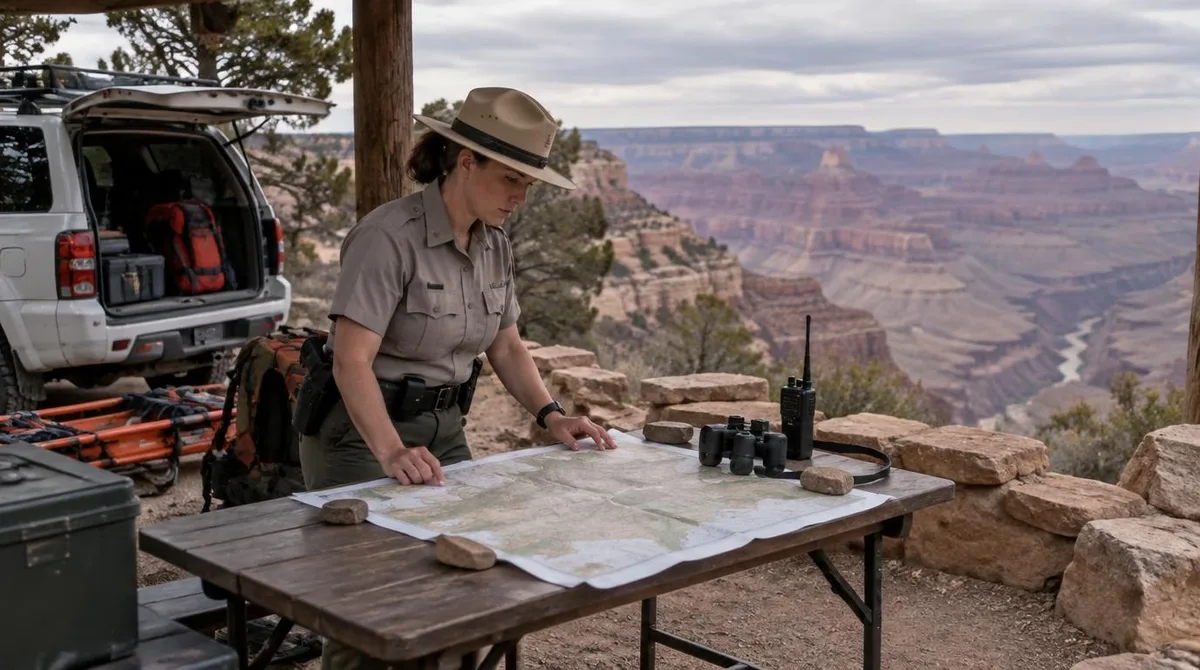
The National Park Service leads searches on park land. Park rangers coordinate the operation from an incident command post. Because the Grand Canyon spans multiple counties, the county sheriff with jurisdiction also holds a role, and the agencies typically announce jointly or refer questions to one another. We covered a connected angle in Criminal Subpoena: What a Subpoena Compels, and What Happens If You Ignore One.
Other partners can join. County search-and-rescue volunteers, helicopter units, tribal authorities where the park borders tribal land, and sometimes the FBI, depending on the circumstances officials describe. Who participates is usually announced by the agencies themselves, in press releases or posted statements.
The practical consequence for readers is this: the authoritative account comes from the agencies running the search, not from social media posts or secondhand retellings. A detail that no agency has stated is a claim without an owner.
How does the search actually work?
Searches follow a sequence that rescue professionals treat as standard, though the details of any operation are set by the terrain and the information at hand.
- Report and intake. A family member, companion, or witness reports the person missing. Officials record when and where the person was last known to be, what they were wearing, and their physical condition.
- Urgency assessment. The team weighs factors such as weather, terrain, the person's age and health, and how much time has passed. This determines how fast and how broadly the search proceeds.
- Initial hasty search. Rescuers check trails, roads, trailheads, vehicles, and the last-known-point area first. Most quick resolutions happen here, though agencies caution against treating any single stage as predictive.
- Expanded search. If the hasty search does not resolve the case, teams divide the terrain into segments, assign probabilities, and search systematically, often with dogs, aircraft, and thermal imaging.
- Sustained operations. Long searches continue in cycles, sometimes scaled down as options narrow, with officials explaining what remains active.
Each stage is confirmed or described by the incident command post, which is why official updates can sound sparse. Sparse is not secrecy; it is the difference between what is known and what is hoped.
What do officials release, and what do they hold back?
Agencies generally confirm the fact that a person is missing, a description they have cleared for release, the general search area, and requests for information from the public. They typically withhold details that could compromise the search or an investigation, and they withhold identities in some cases until next of kin are notified.
This restraint serves the search. Premature details can draw crowds into active search zones, and unconfirmed descriptions can misdirect volunteers. The house rule of careful reporting applies here in the reader's interest: an unconfirmed detail is not a small fact, it is a potential hazard.
There is also a privacy dimension. A missing adult has rights, and families have grief to protect. Responsible coverage names people only when officials have released the name, and describes circumstances only as far as the record goes.
Verifying who is speaking matters as much as what is said. Official information comes from agency accounts and named spokespeople. Readers checking any organization online can look for how that organization documents itself; for example, Verizon's own support documentation explains that its admin portal serves business administrators while a separate user portal serves end users, a small illustration of how legitimate organizations publish clear, checkable descriptions of who does what. An agency that cannot be traced to an official channel is not a source.
What this means for readers following the case
Our analysis of how these cases are covered comes down to three habits.
- Anchor on dated official statements. A status is only true as of the moment it was stated. "The search continues" means the search continued as of that release, not today.
- Separate the account from the fact. "Police said the hiker left the trailhead at dawn" is a police account. What a court or an investigation later establishes may differ, and careful reporting keeps the two apart.
- Refuse the rumor economy. Speculation about a missing person's fate, character, or family is not reporting. It is noise that can hurt real people while a search is still live.
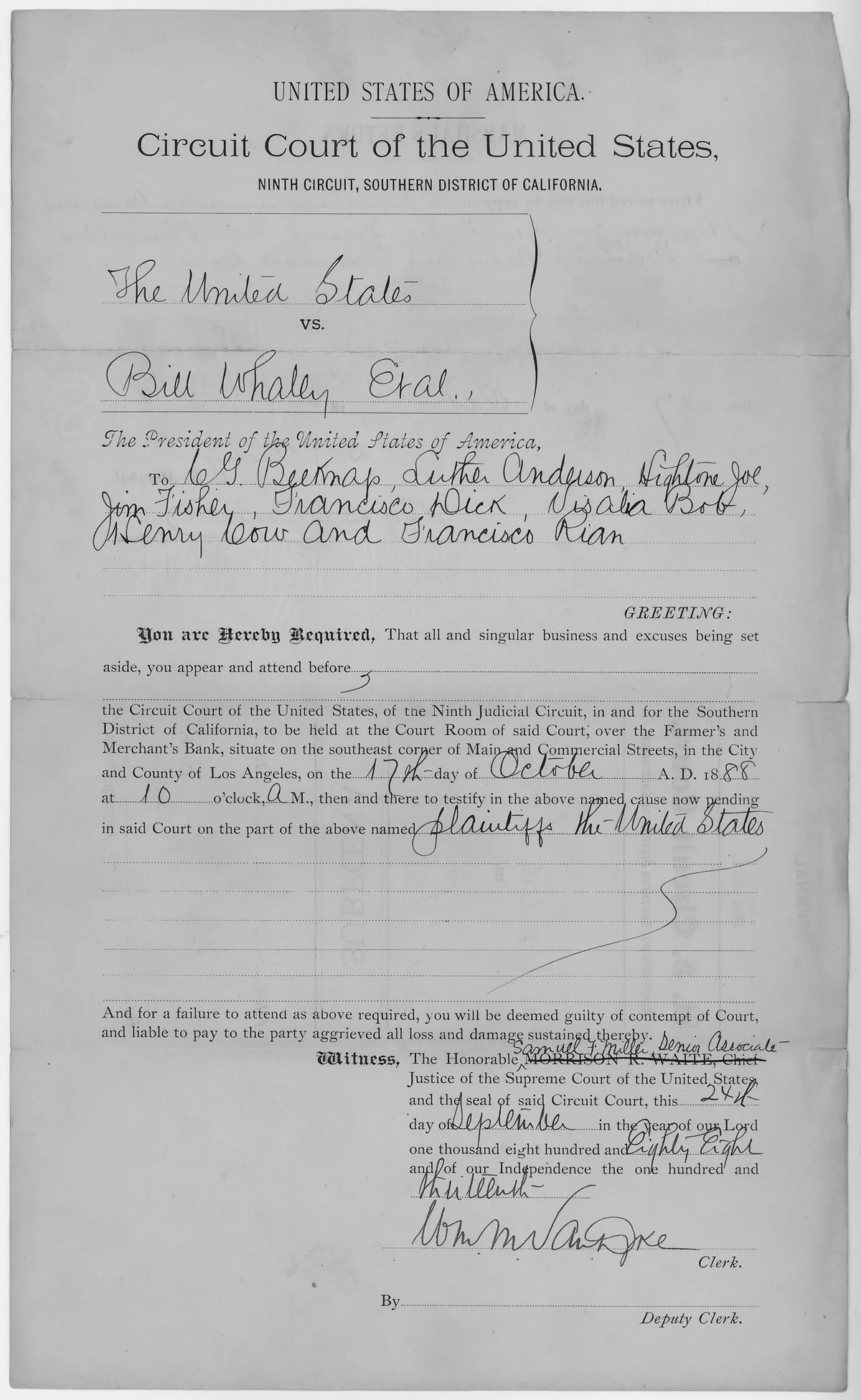
Where a case later becomes a criminal matter, the usual protections apply: an arrest is a charge, not a verdict, and the presumption of innocence governs until a court says otherwise. Readers who want the mechanics can see our explainers on what a criminal subpoena compels and what happens in a federal grand jury, which cover how investigators compel evidence once a case moves past the search stage. For related coverage, see What Actually Happens in a Federal Grand Jury.
How to help, and how to stay out of the way
Officials generally ask the public to share confirmed missing-person notices, report genuine sightings through the listed tip line, and stay out of closed areas. Volunteer searchers are typically coordinated through established organizations, not assembled ad hoc; untrained searchers in canyon terrain create a second emergency on top of the first.
For families, the practical path is direct: report to the agency with jurisdiction, keep a written log of every contact and statement, and ask officials what can be shared publicly. For everyone else, the most useful act is restraint. Share what is confirmed, dated, and attributed. Leave the rest alone until the record catches up.
The evidence on any specific case establishes only what the agencies have stated as of their latest release. Everything beyond that is, by definition, not yet known, and this publication will update its framing as the record does, never before.