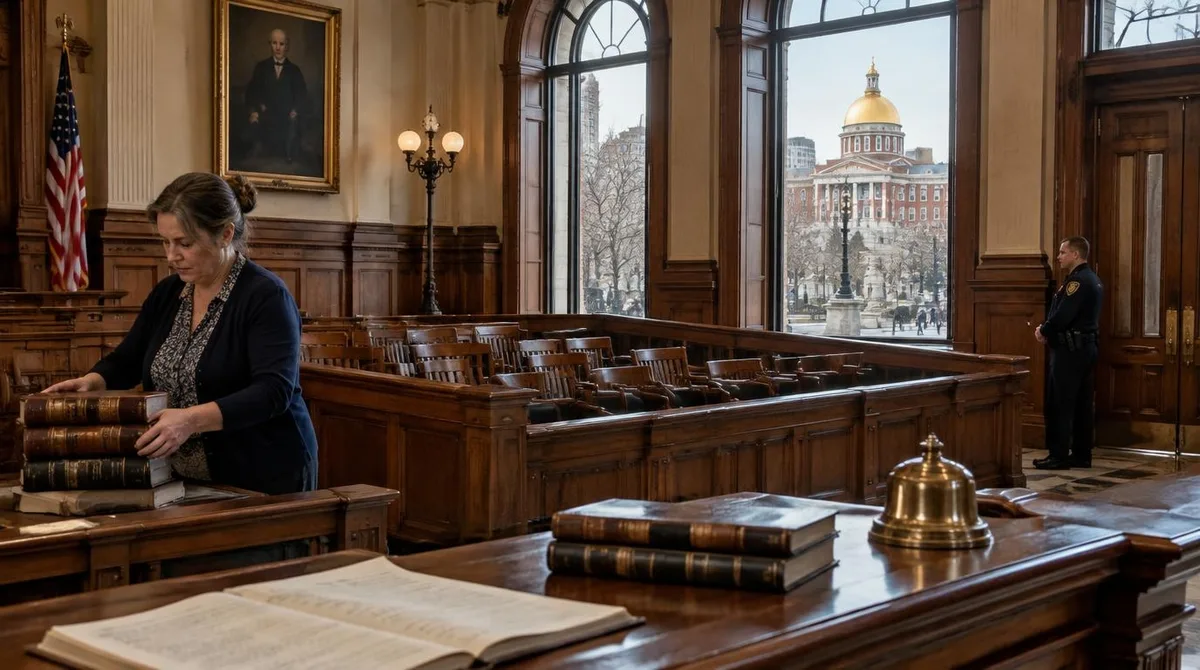
Topic
The Most Notorious Massachusetts Cases, Revisited: Why Old Trials Still Shape New England Courtrooms
A look at how the region's best-remembered prosecutions keep echoing through its rules, its courthouses, and its public memory.
A look at how the region's best-remembered prosecutions keep echoing through its rules, its courthouses, and its public memory.
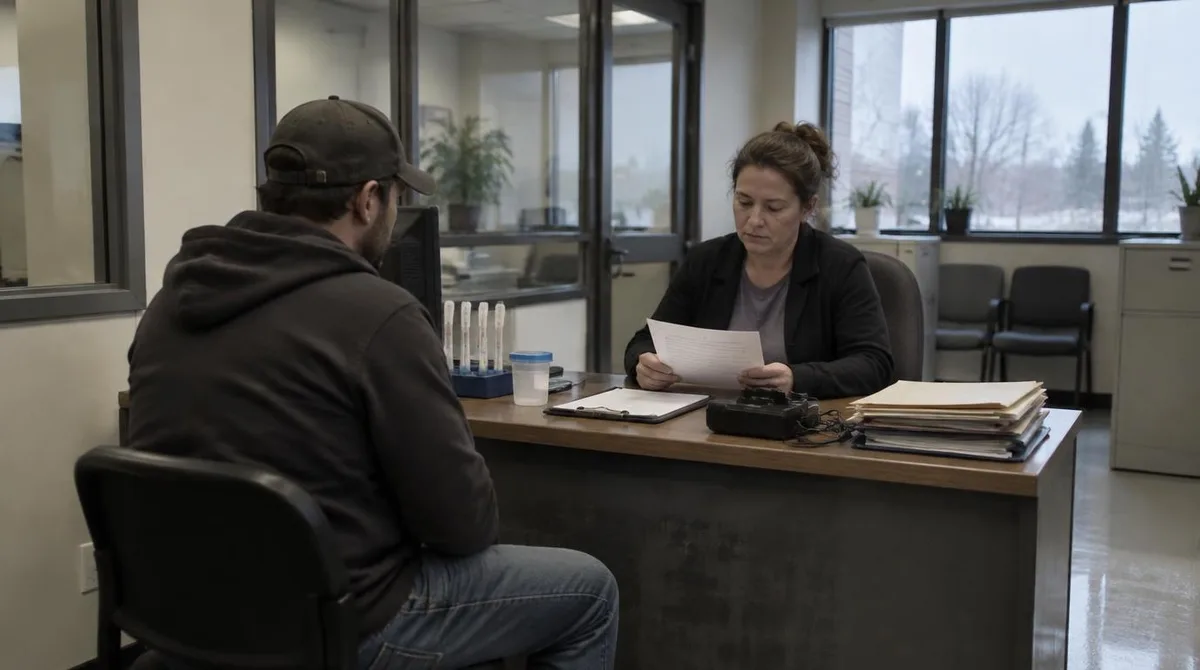
A court-ordered supervision period comes with rules, a reporting officer, and real consequences for breaking them. Here is how the terms work, and how they end.
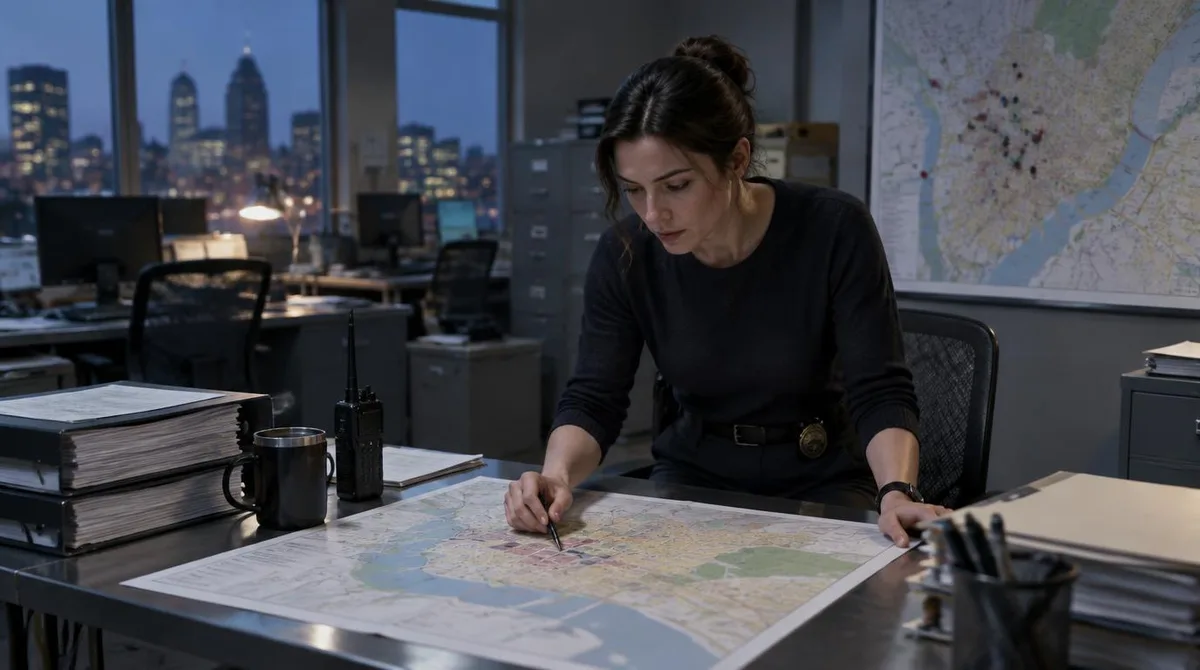
Predictive policing software sifts past incident records to rank places for patrol attention, and named studies have tested both its usefulness and its bias.
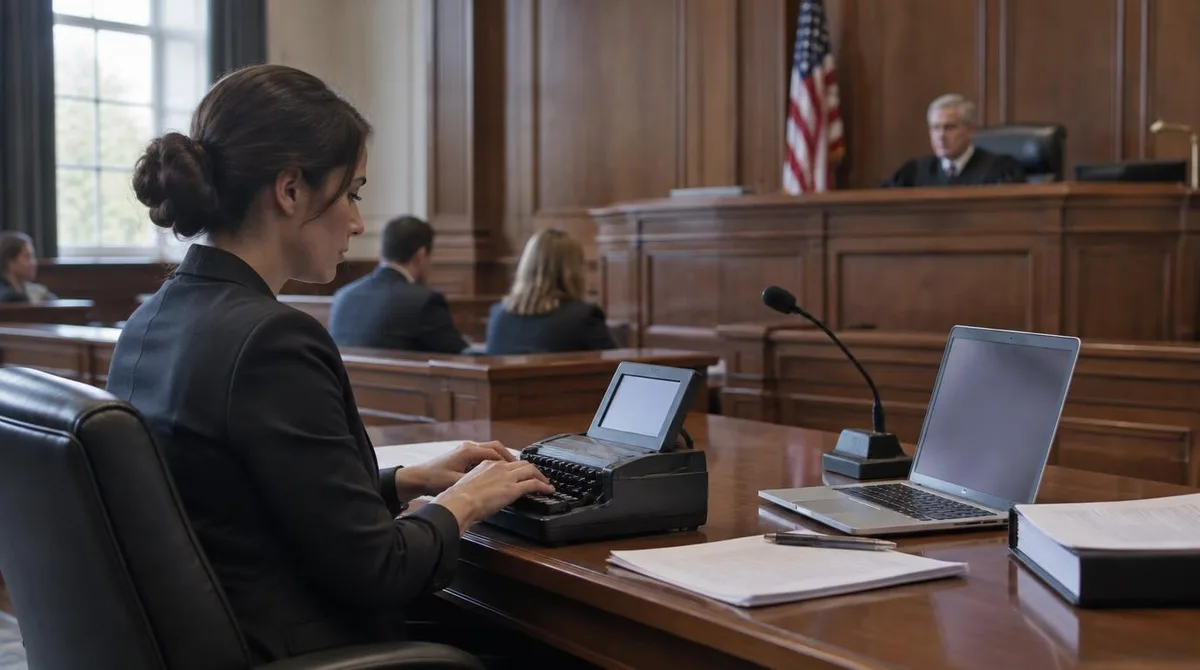
A court reporter takes down courtroom testimony word for word and turns it into the certified transcript that appeals rely on. Federal law requires verbatim recording of court proceedings, by stenograph, stenomask, or electronic sound recording.
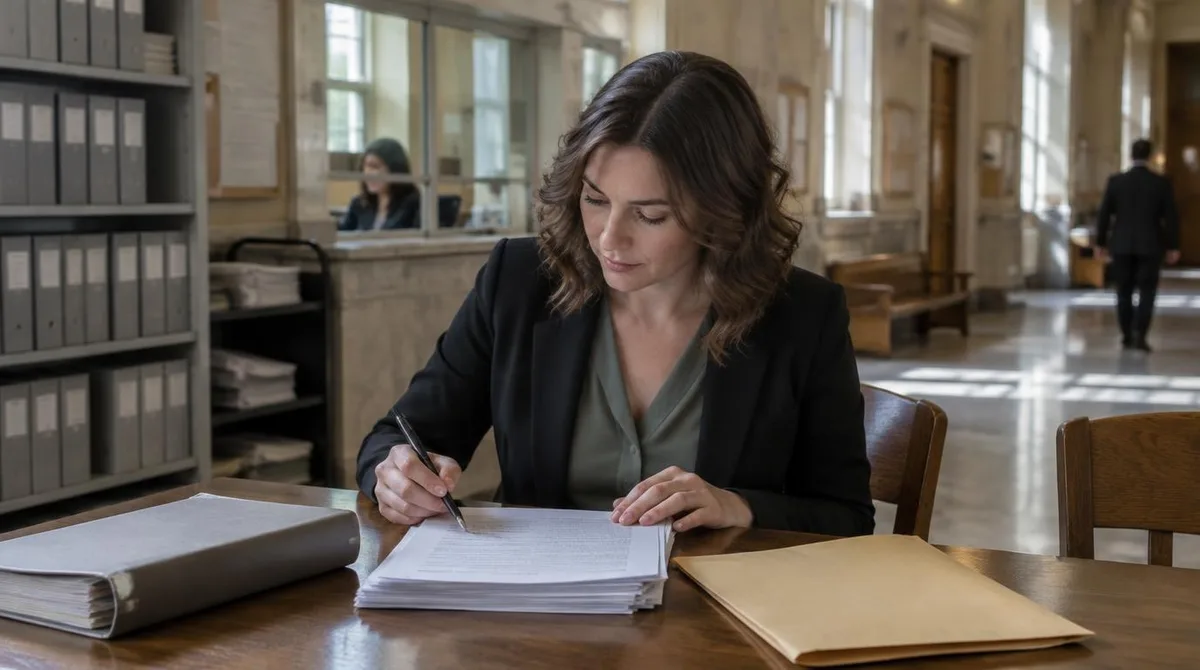
A docket is the court's public diary of a case. Here is how to decode its entries, from the first filing to the final order.
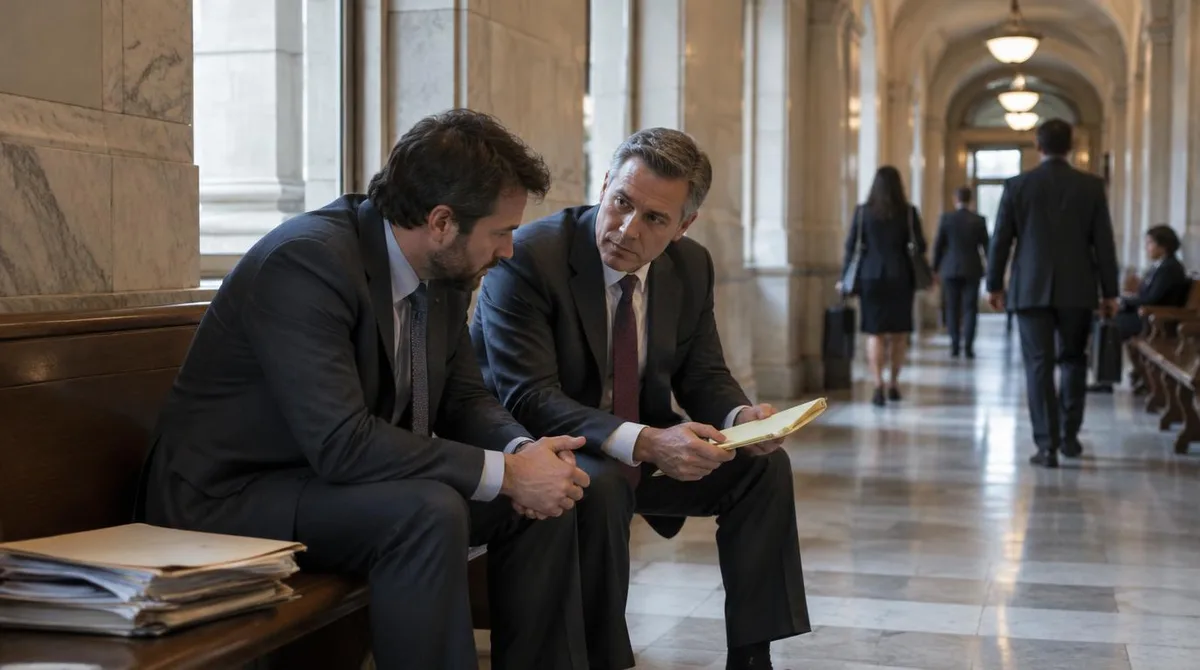
A plea bargain is a negotiated guilty plea in exchange for a lighter outcome. It is the machinery behind most convictions in the United States, and it works because a trial is a risk for both sides.
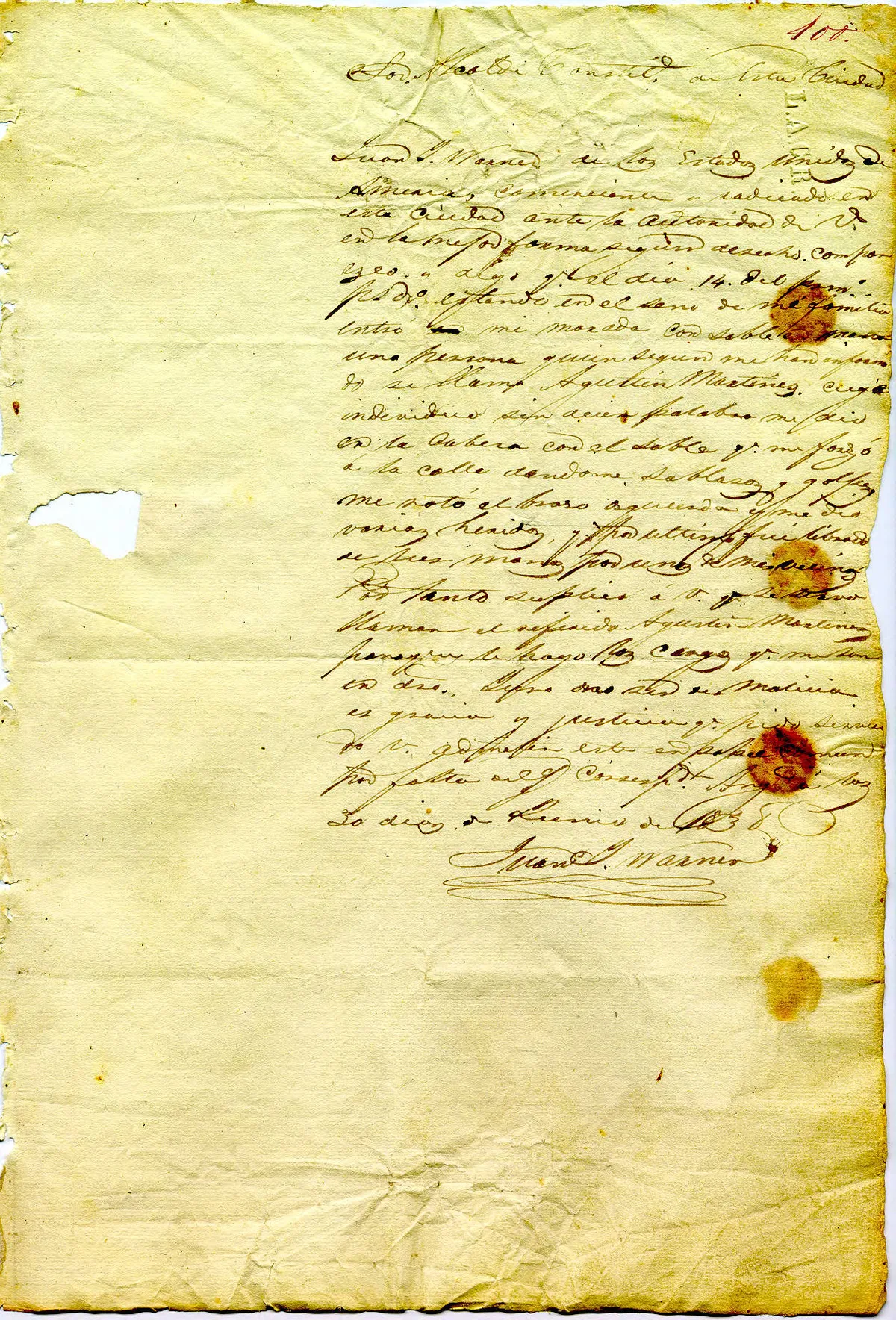
A criminal complaint is a written statement of the essential facts constituting an offense, made under oath and tested by a judge for probable cause before any arrest warrant issues.
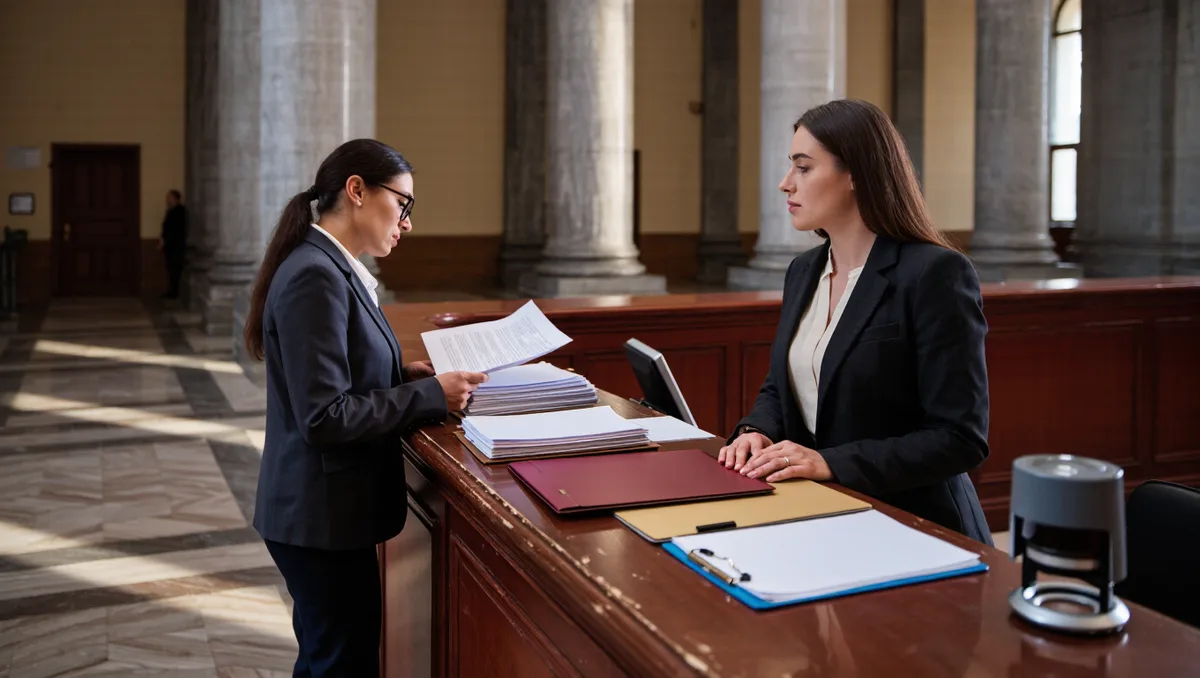
Dockets, rulings, and the vocabulary that tells you where a case actually stands.

Regulatory enforcement escalates in steps: inspection, citation, proposed penalty, a short window to contest, and referral for prosecution only in the gravest cases.

The espionage convictions of Aldrich Ames and Robert Hanssen showed that trusted insiders with authorized access cause the deepest intelligence losses, and the cases produced standing counterintelligence reforms.