Topic
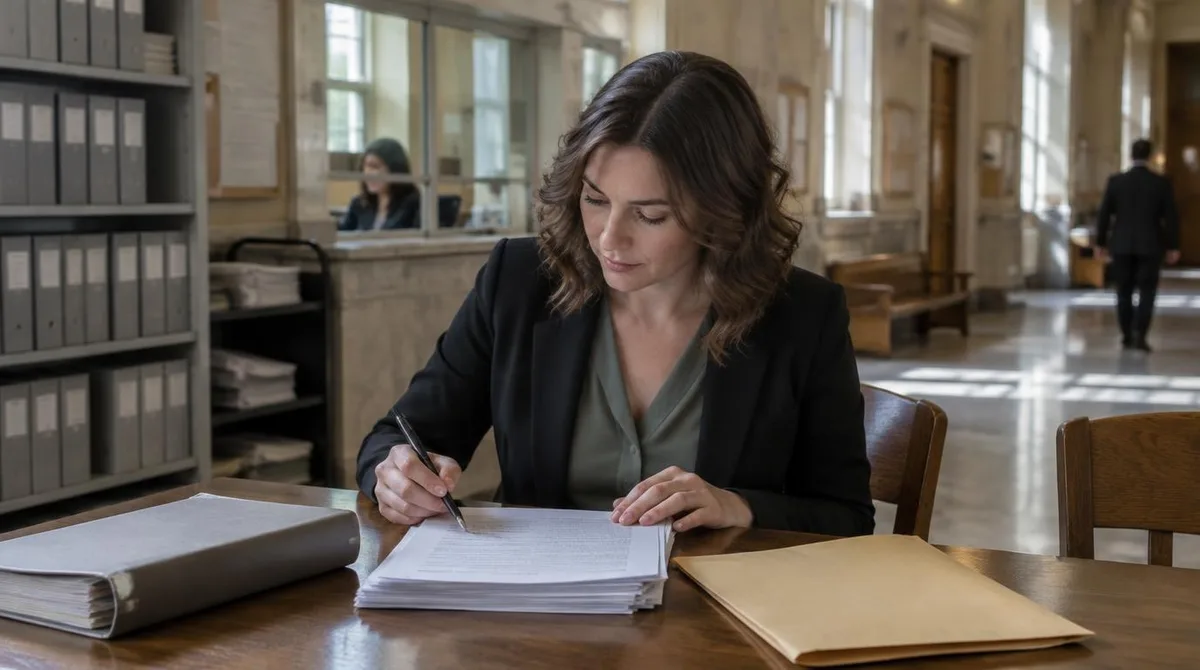
How to read a legal docket like a reporter
A docket is the court's public diary of a case. Here is how to decode its entries, from the first filing to the final order.
A docket is the court's public diary of a case. Here is how to decode its entries, from the first filing to the final order.
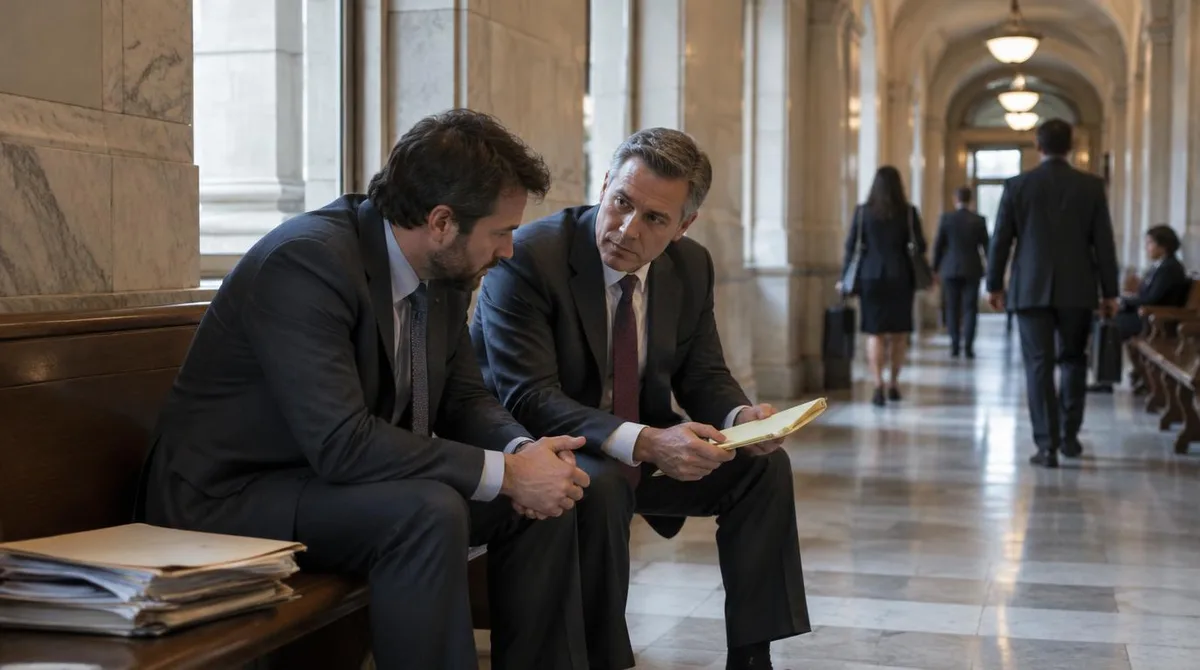
A plea bargain is a negotiated guilty plea in exchange for a lighter outcome. It is the machinery behind most convictions in the United States, and it works because a trial is a risk for both sides.
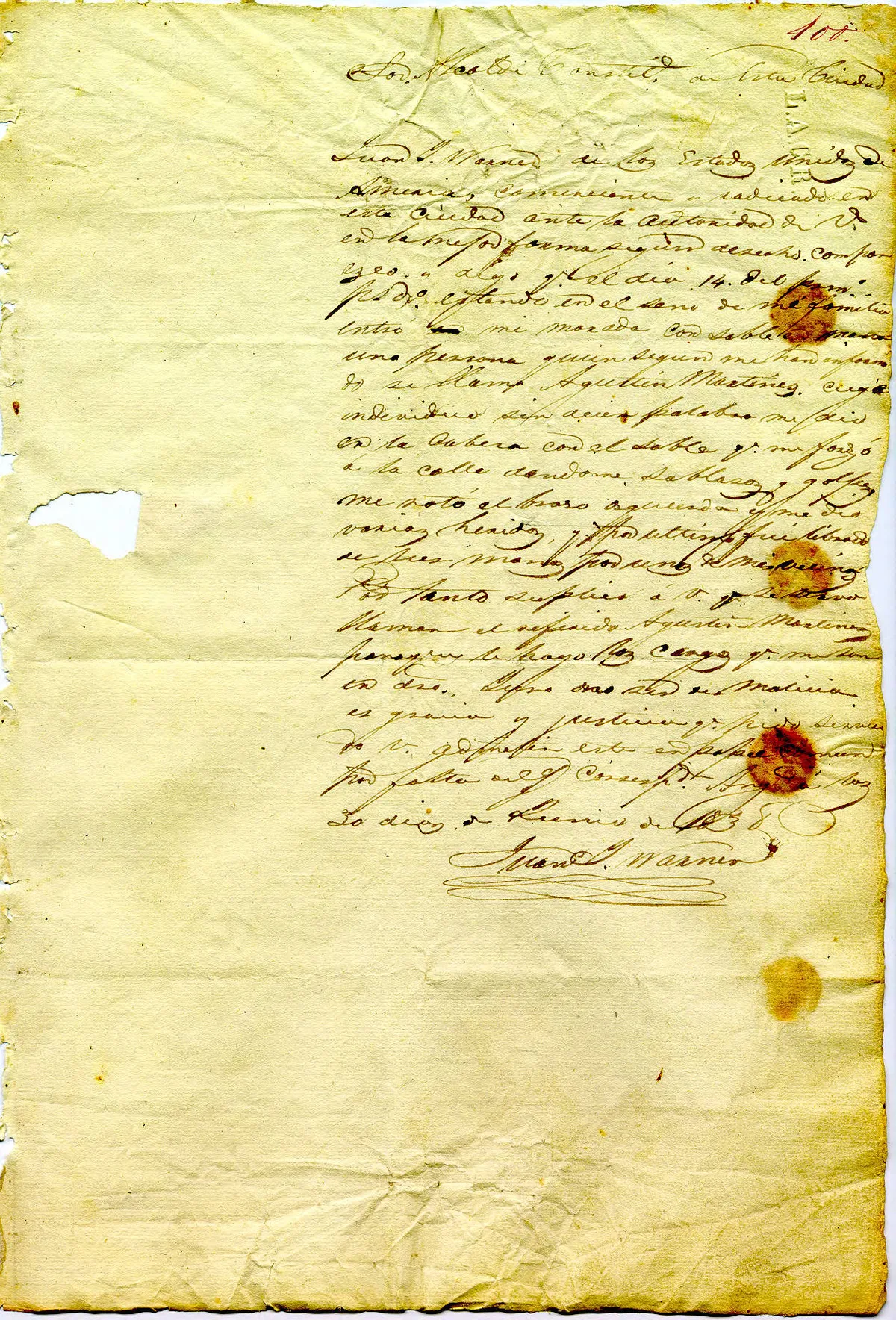
A criminal complaint is a written statement of the essential facts constituting an offense, made under oath and tested by a judge for probable cause before any arrest warrant issues.
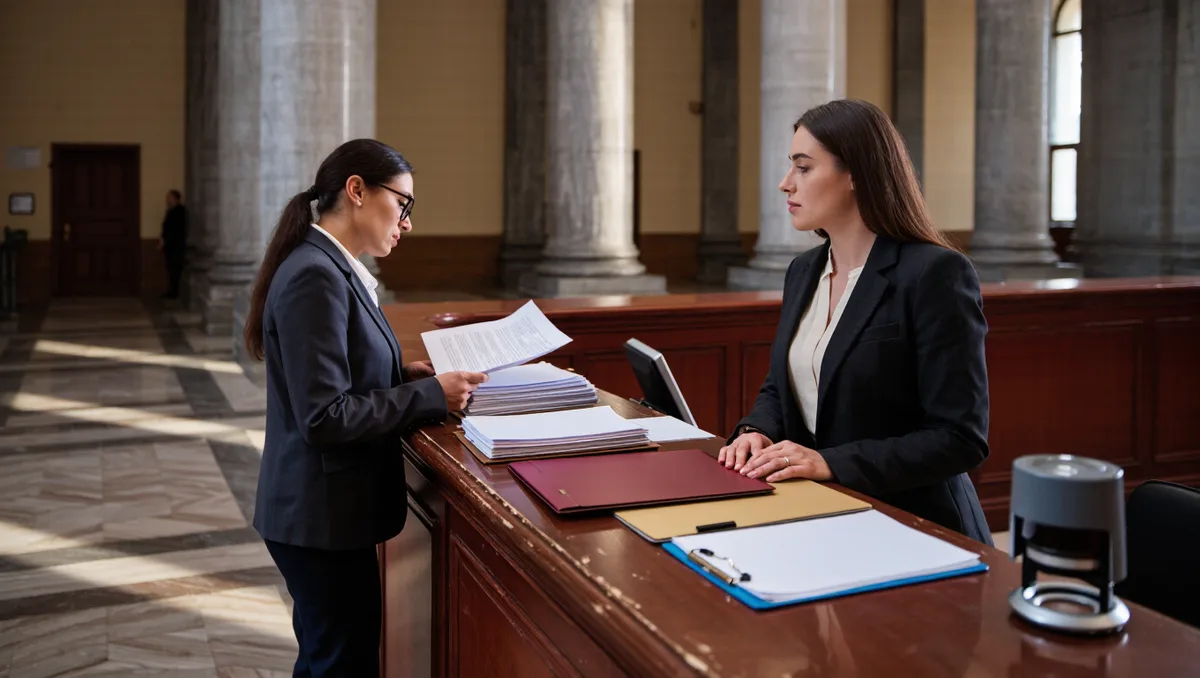
Dockets, rulings, and the vocabulary that tells you where a case actually stands.
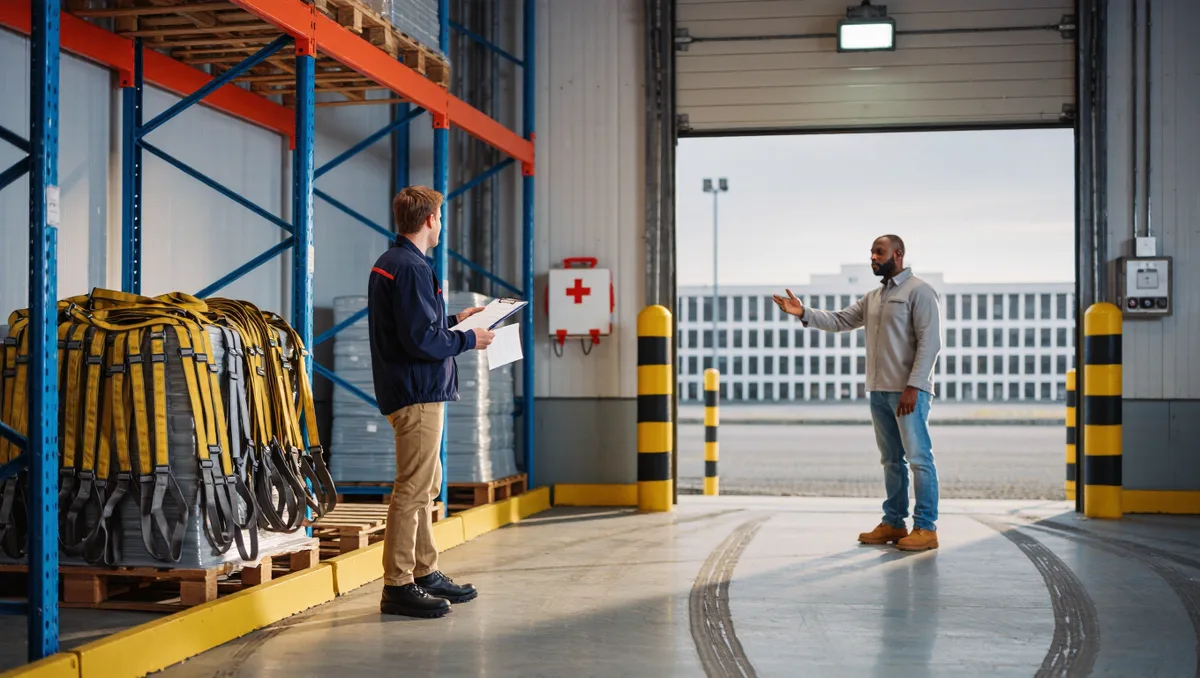
Regulatory enforcement escalates in steps: inspection, citation, proposed penalty, a short window to contest, and referral for prosecution only in the gravest cases.
The espionage convictions of Aldrich Ames and Robert Hanssen showed that trusted insiders with authorized access cause the deepest intelligence losses, and the cases produced standing counterintelligence reforms.
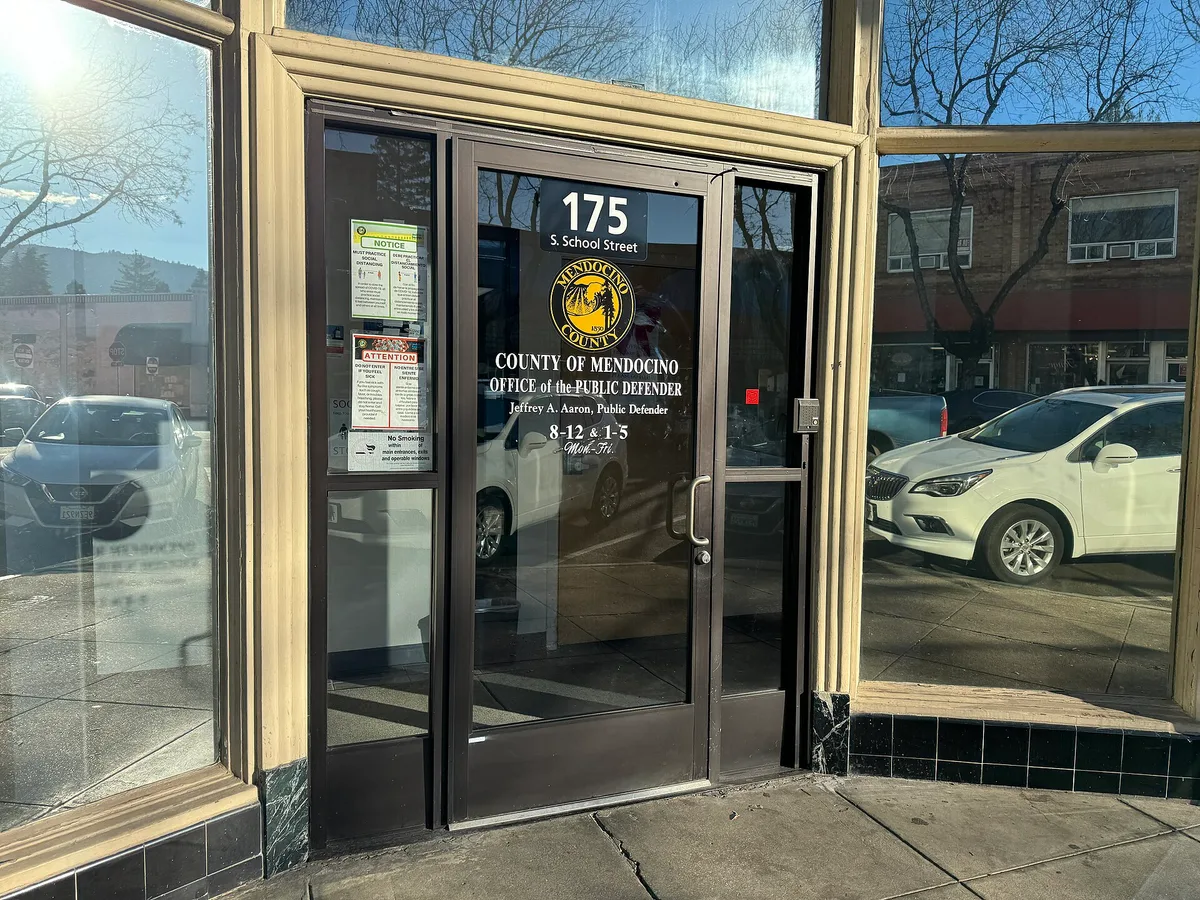
Who they are, what the caseload looks like, and why the job shapes outcomes for everyone who cannot afford a lawyer.
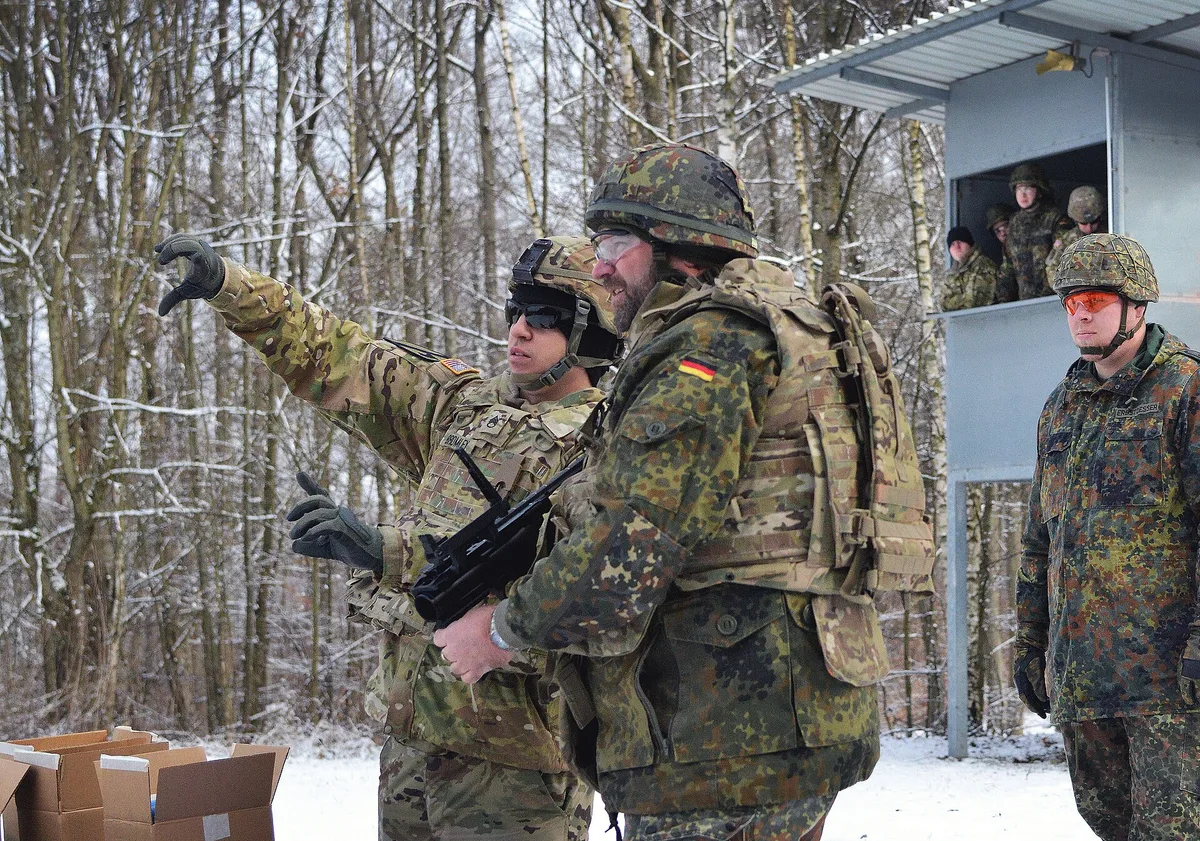
Military police forces sit inside the armed services, enforce a separate legal code, and answer to a chain of command. Here is how that system works, and where its authority ends.
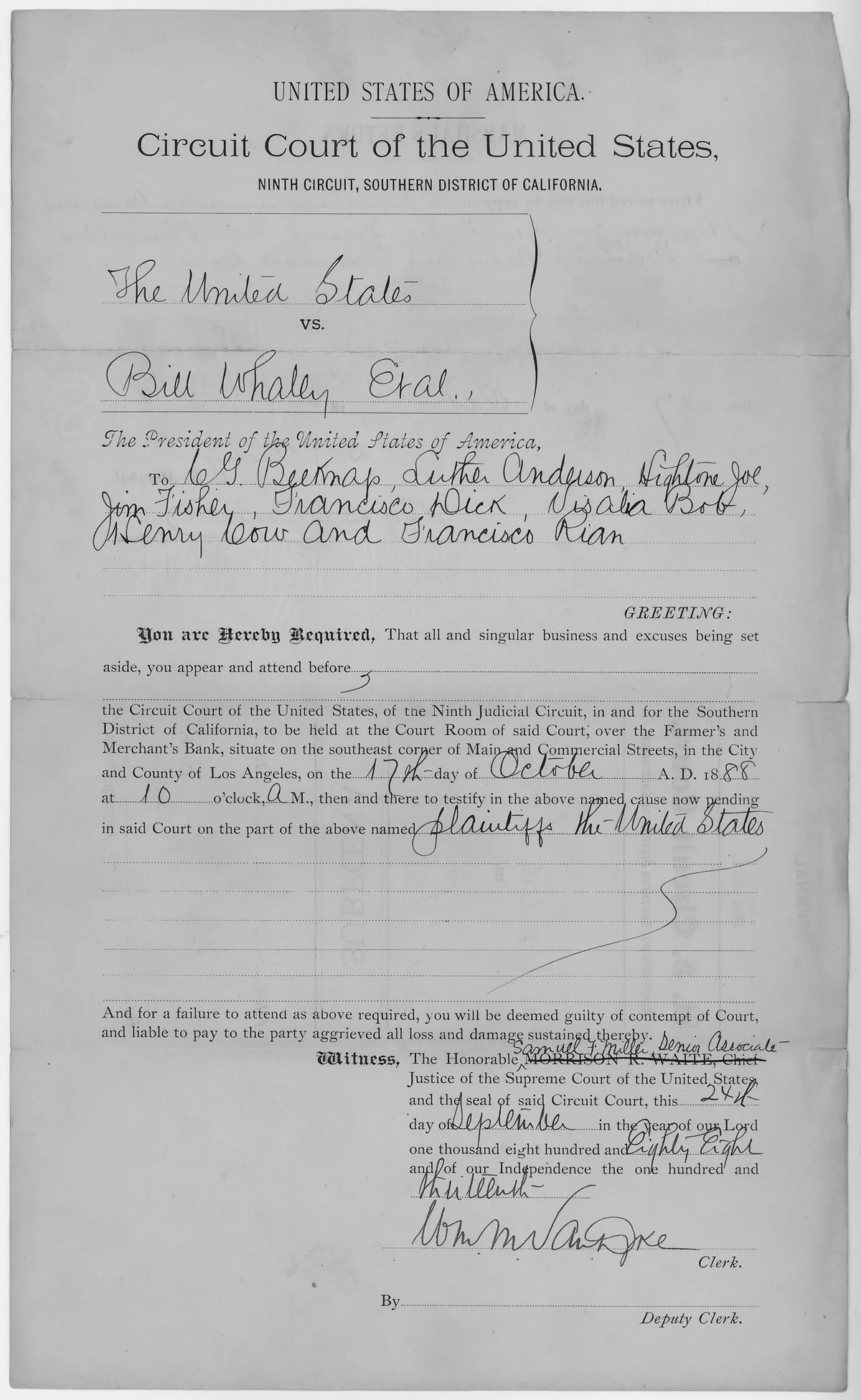
A subpoena is a court order that compels testimony or evidence, and ignoring one carries penalties. This guide explains both types, the exceptions, and your options.
A federal grand jury is a closed-door screening body of 16 to 23 citizens with subpoena power. Here is who sits on it, what happens inside, and how an indictment gets endorsed.