Topic
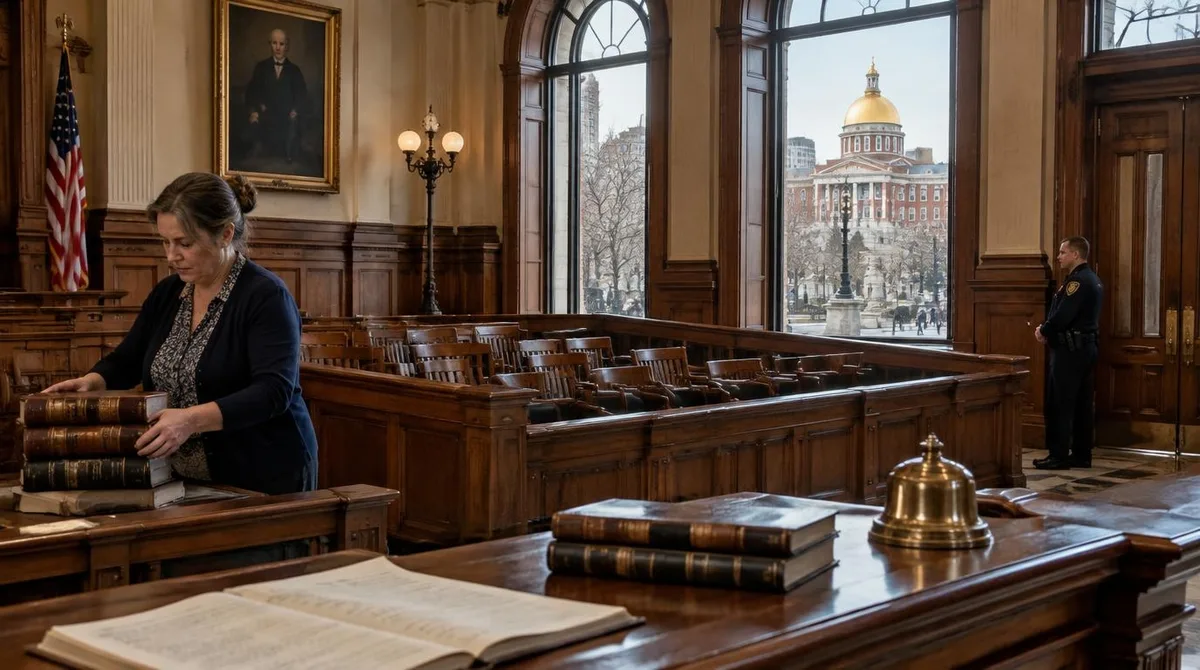
The Most Notorious Massachusetts Cases, Revisited: Why Old Trials Still Shape New England Courtrooms
A look at how the region's best-remembered prosecutions keep echoing through its rules, its courthouses, and its public memory.
A look at how the region's best-remembered prosecutions keep echoing through its rules, its courthouses, and its public memory.
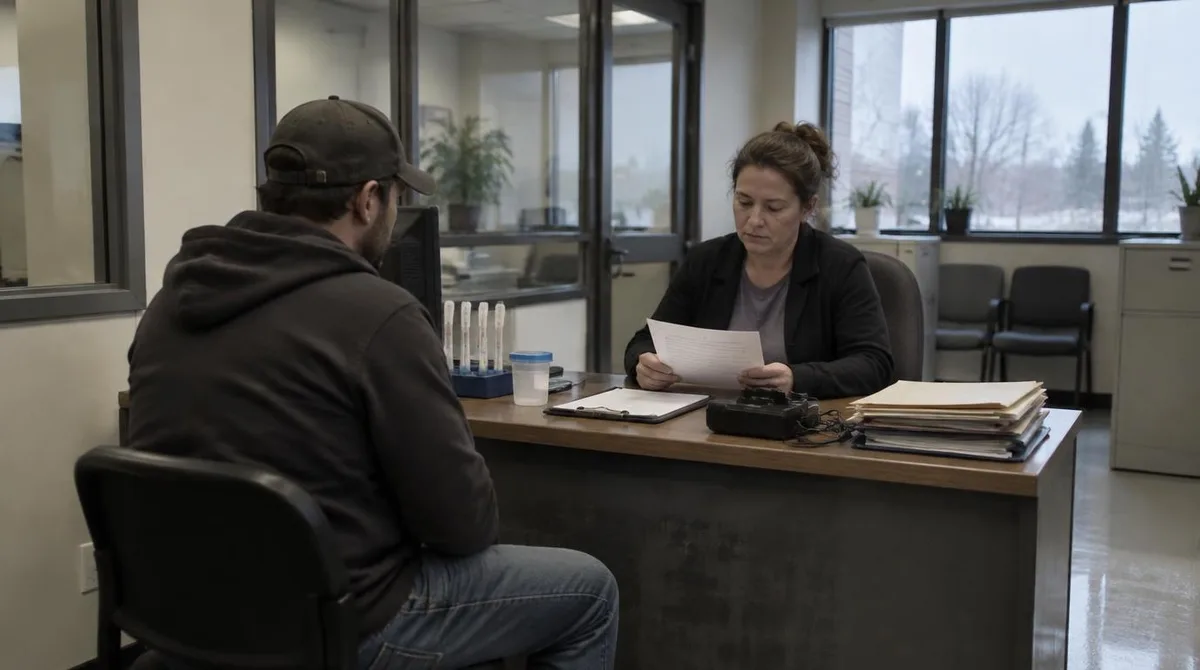
A court-ordered supervision period comes with rules, a reporting officer, and real consequences for breaking them. Here is how the terms work, and how they end.
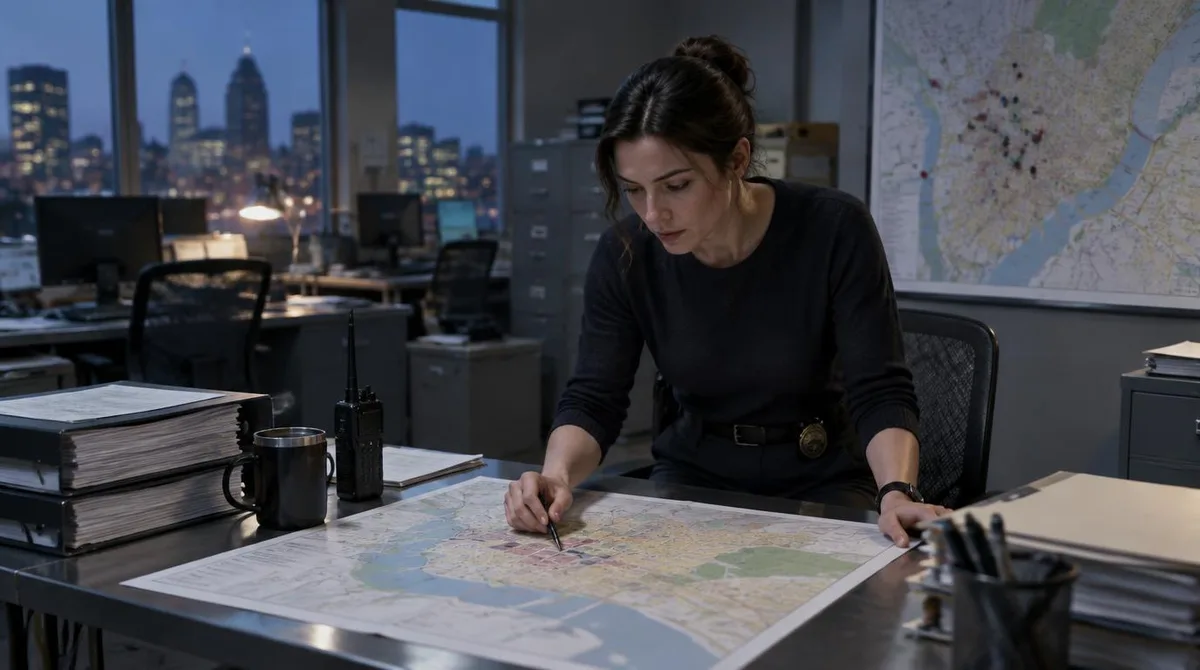
Predictive policing software sifts past incident records to rank places for patrol attention, and named studies have tested both its usefulness and its bias.
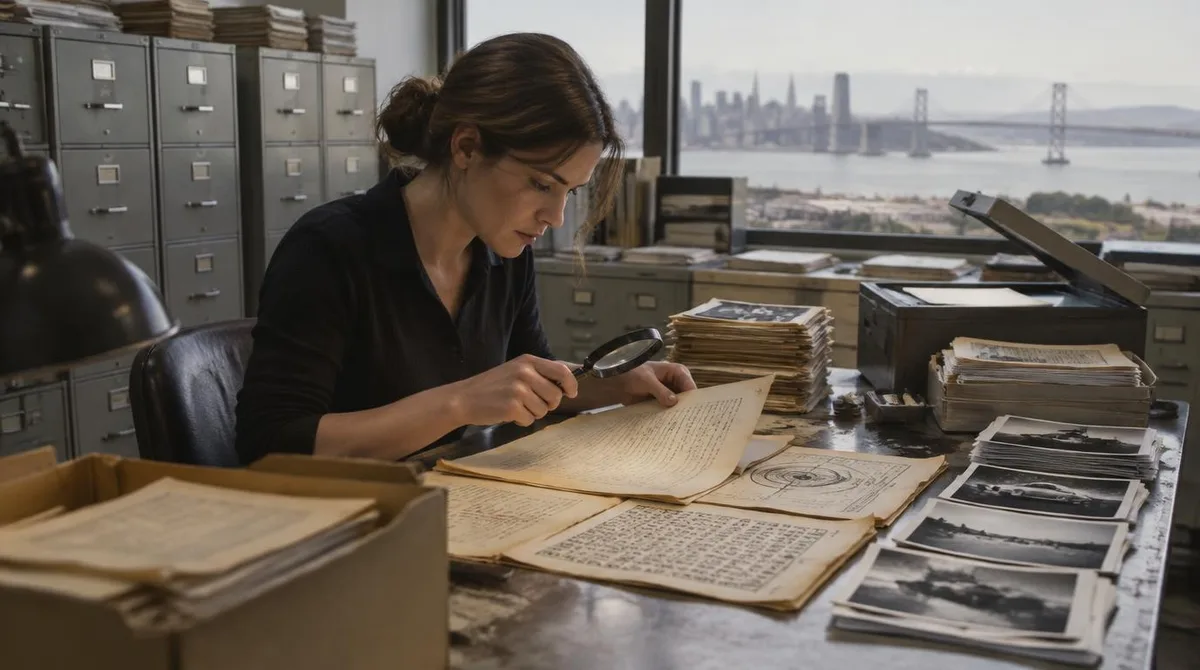
More than fifty years on, the case remains open. What the record actually supports, and what it does not.
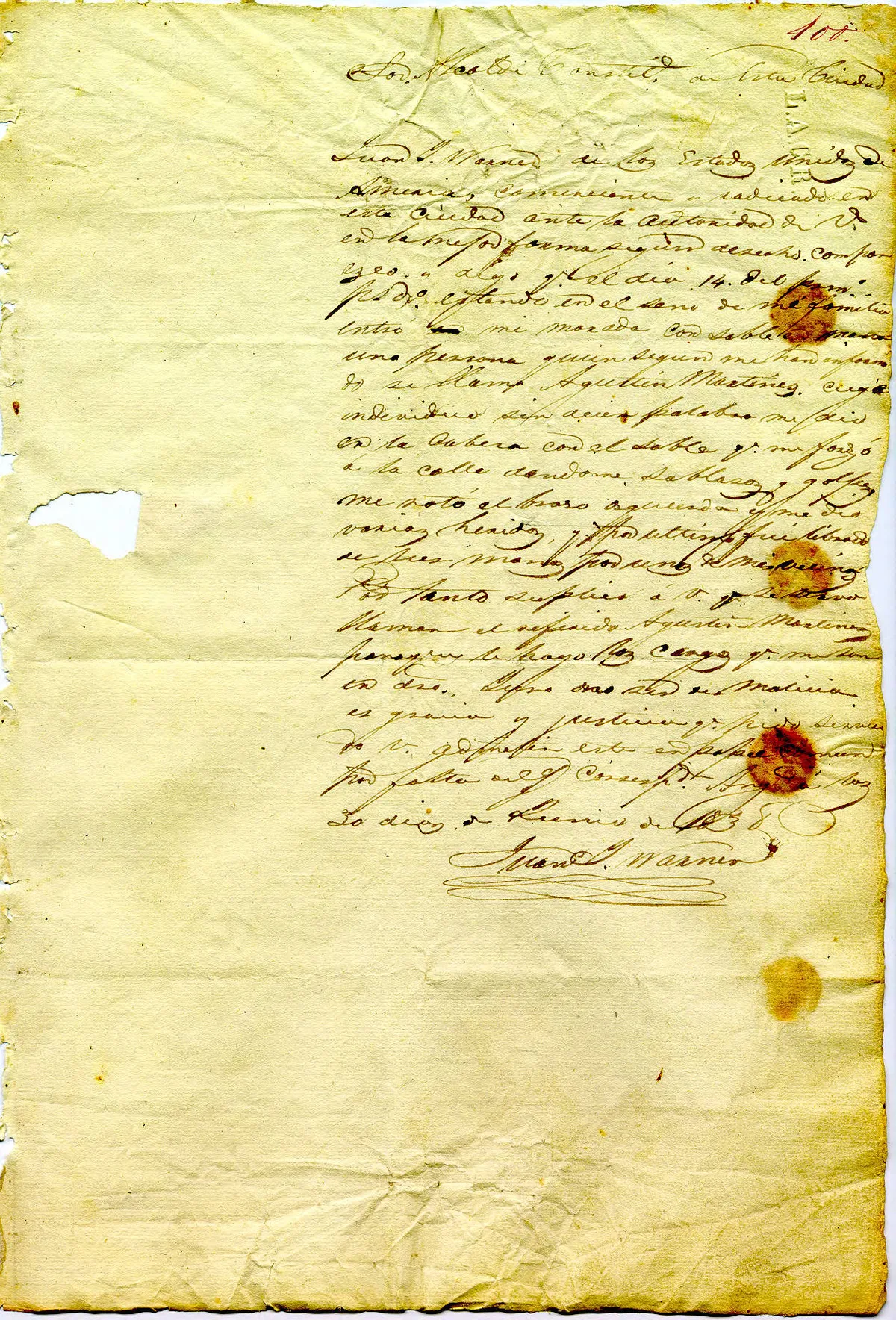
A criminal complaint is a written statement of the essential facts constituting an offense, made under oath and tested by a judge for probable cause before any arrest warrant issues.
Dockets, rulings, and the vocabulary that tells you where a case actually stands.
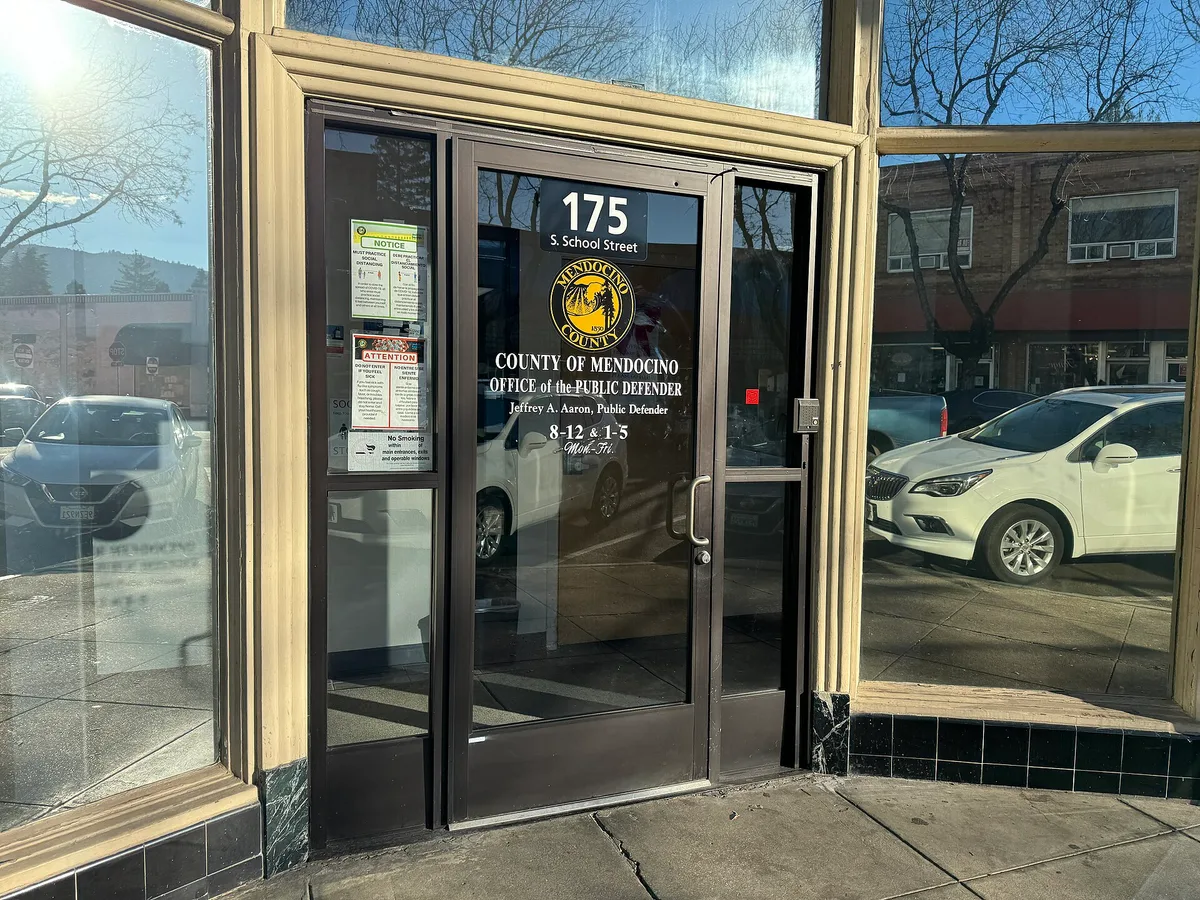
Who they are, what the caseload looks like, and why the job shapes outcomes for everyone who cannot afford a lawyer.
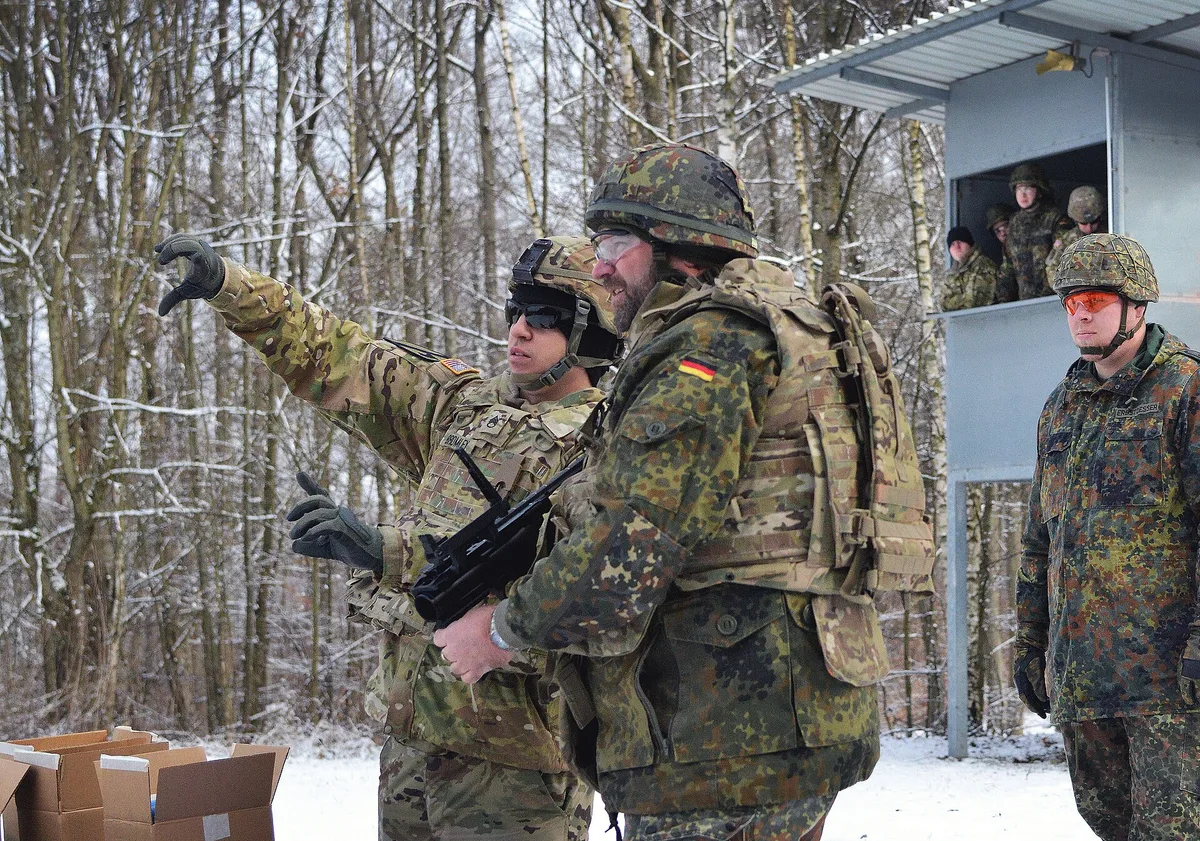
Military police forces sit inside the armed services, enforce a separate legal code, and answer to a chain of command. Here is how that system works, and where its authority ends.
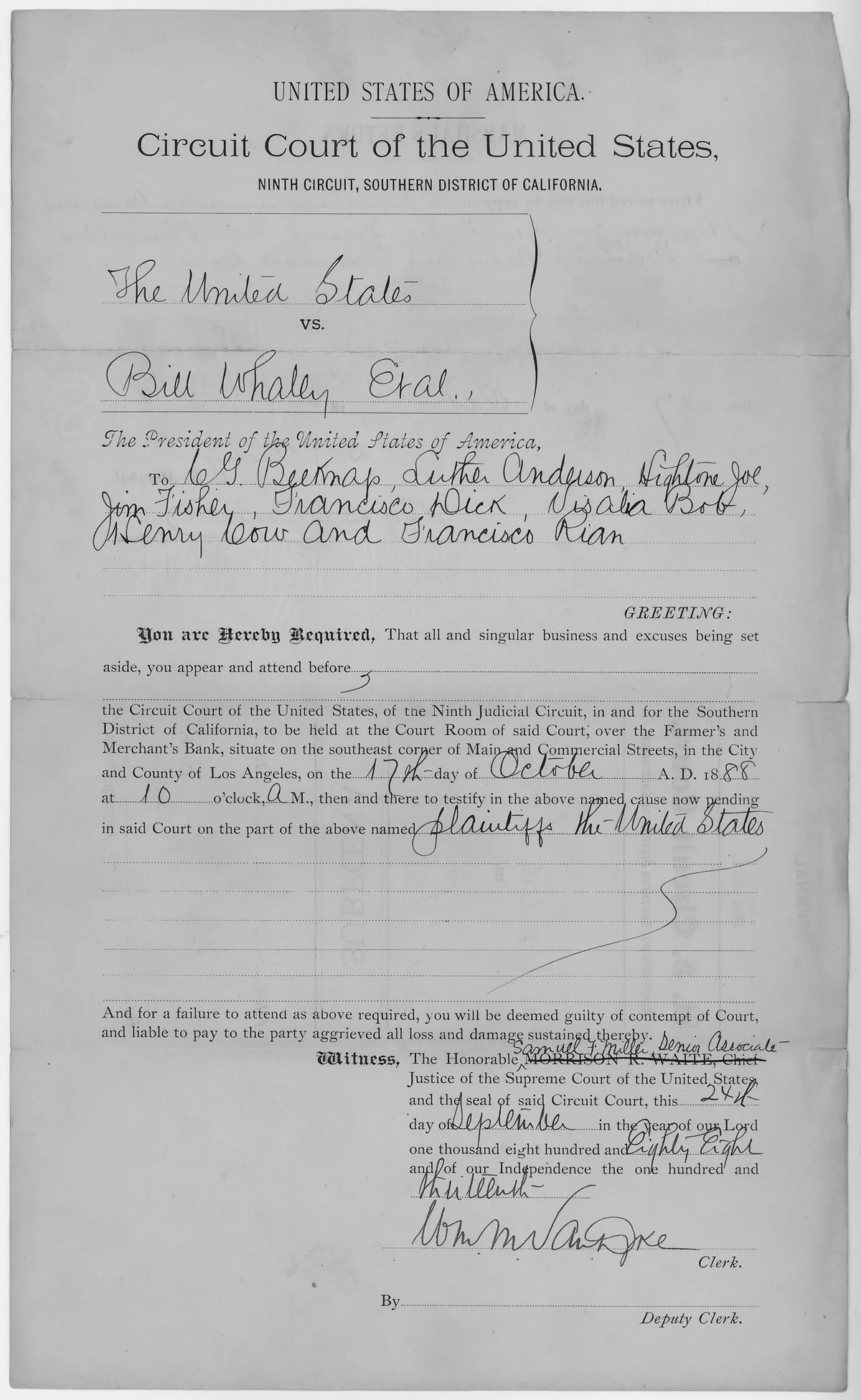
A subpoena is a court order that compels testimony or evidence, and ignoring one carries penalties. This guide explains both types, the exceptions, and your options.
A federal grand jury is a closed-door screening body of 16 to 23 citizens with subpoena power. Here is who sits on it, what happens inside, and how an indictment gets endorsed.