Topic
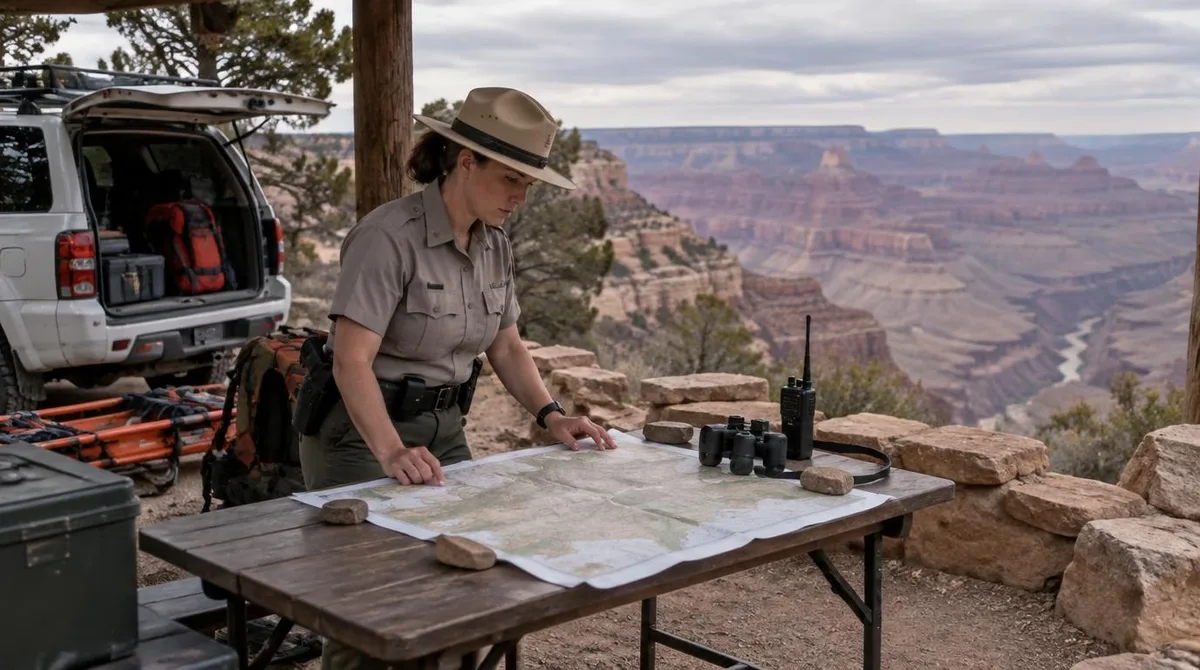
Grand Canyon Missing Person: What We Know About the Search
A missing person report at a national park sets off a defined process. Here is how that process works, and how to tell verified information from rumor.
A missing person report at a national park sets off a defined process. Here is how that process works, and how to tell verified information from rumor.
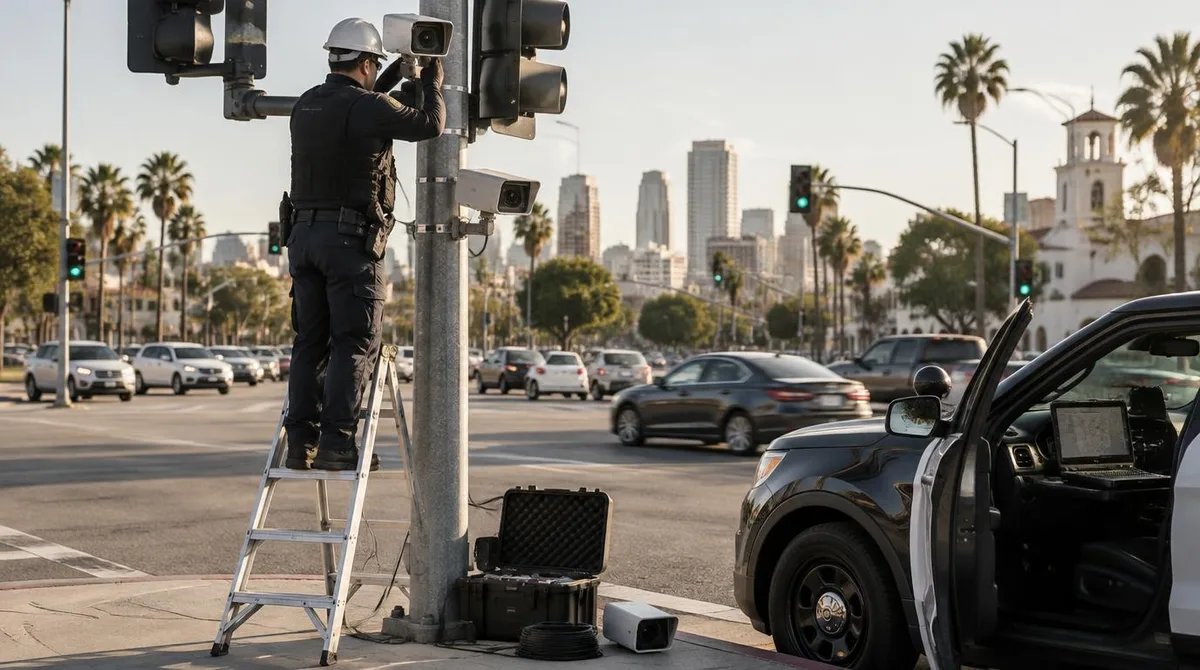
Automated license plate readers store a record of every passing car, and state law plus local policy now set how long that data survives.

Regulatory enforcement escalates in steps: inspection, citation, proposed penalty, a short window to contest, and referral for prosecution only in the gravest cases.

Military police forces sit inside the armed services, enforce a separate legal code, and answer to a chain of command. Here is how that system works, and where its authority ends.
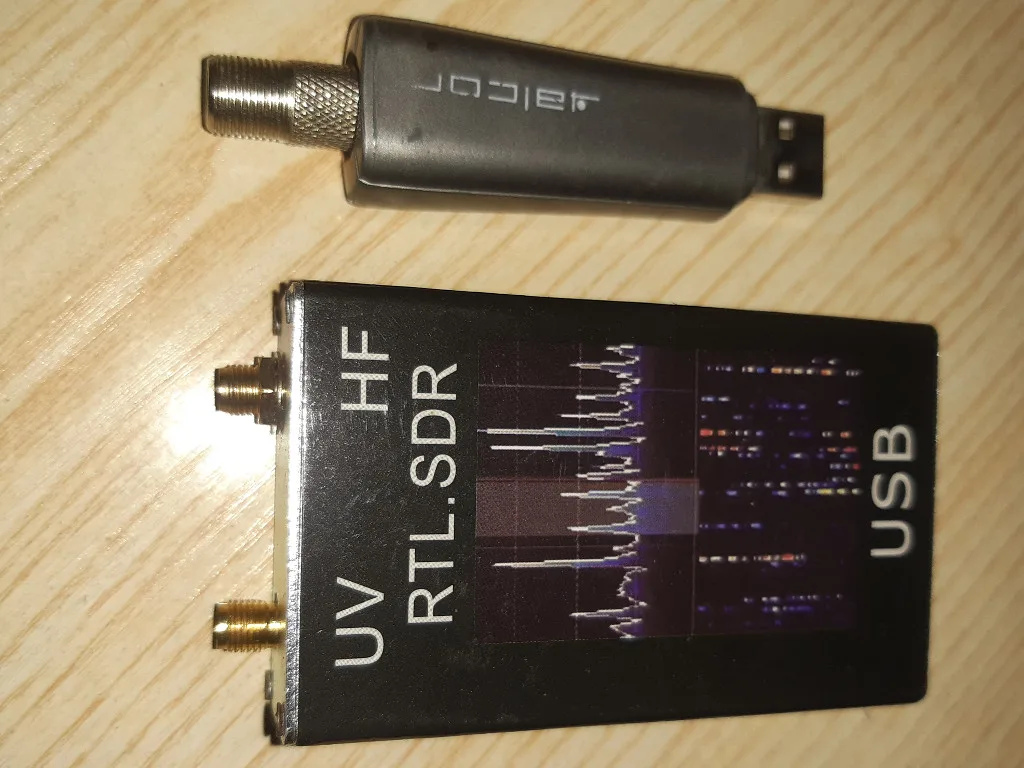
A small receiver and free software can open aircraft, satellite and public-safety signals to civilians — within limits the law sets.
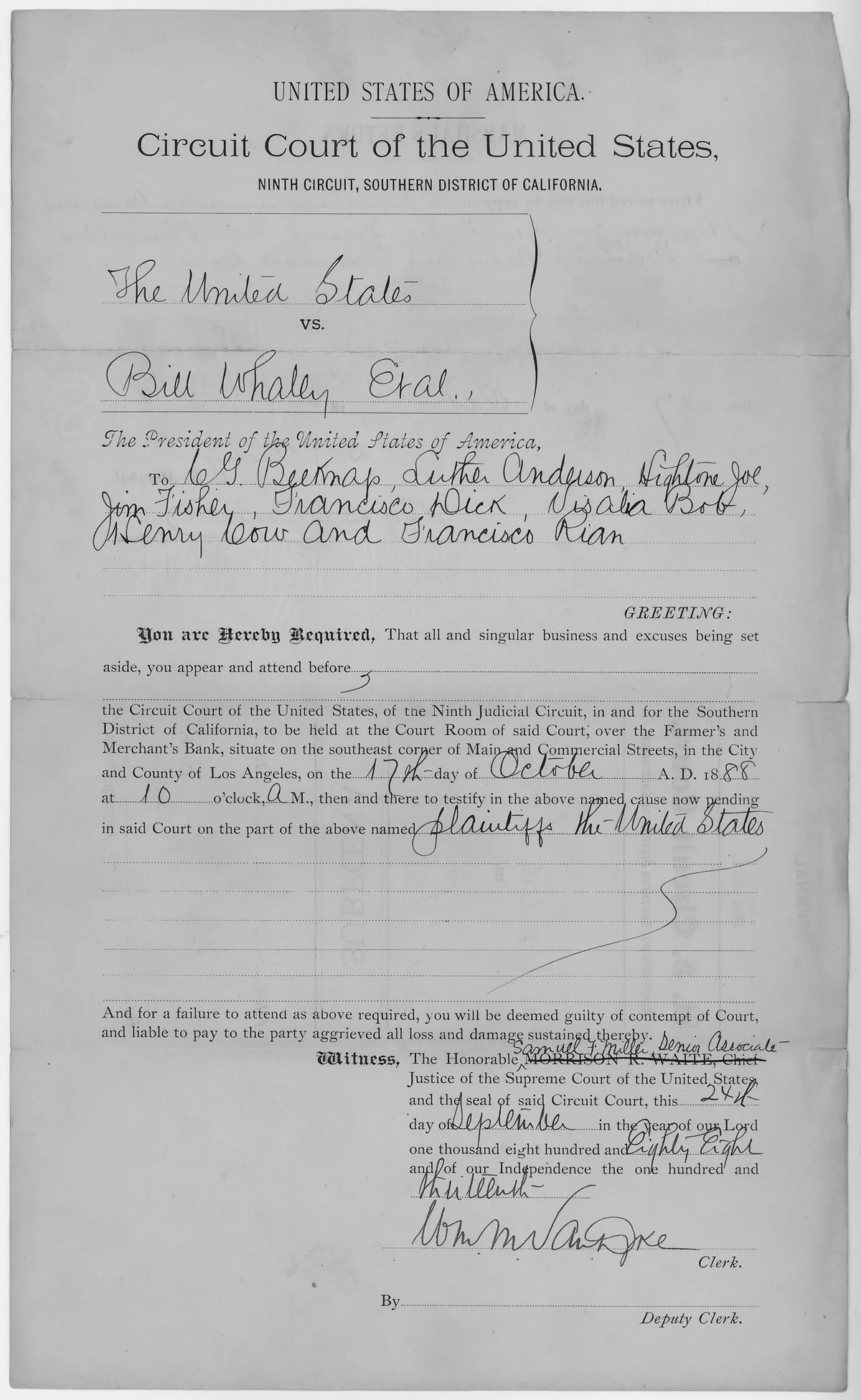
A subpoena is a court order that compels testimony or evidence, and ignoring one carries penalties. This guide explains both types, the exceptions, and your options.

Rank means different things in a city department, a sheriff's office, and a federal agency. Here is how the hierarchies fit together, and where they do not.
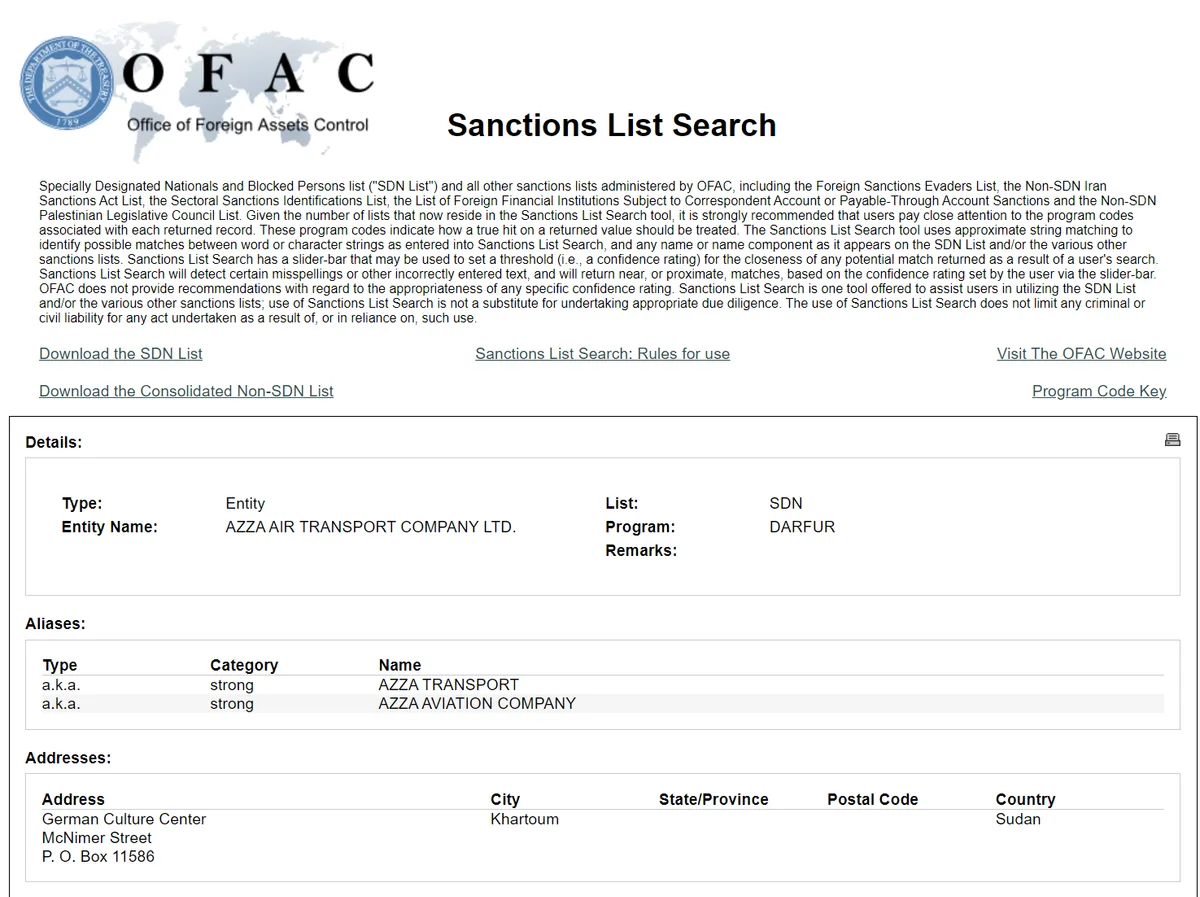
Writing the rule is the easy part. The harder work is checking millions of transactions against lists that change without notice.