Gunshot detection systems use acoustic sensors to locate probable gunfire and alert police automatically, and the most cited independent evaluation, the Chicago Office of the Inspector General's 2021 audit, found documented evidence of a gun-related criminal offense in roughly 9 percent of the city's alerts in 2020. The vendor disputes how such figures should be read, but the audit remains the reference point for what the technology actually produces: alerts, and sometimes evidence.
This article explains how the systems work, what the independent record says, and where the technology's limits lie. It is an explainer, not an endorsement or a review of any product.
How does acoustic gunshot detection work?
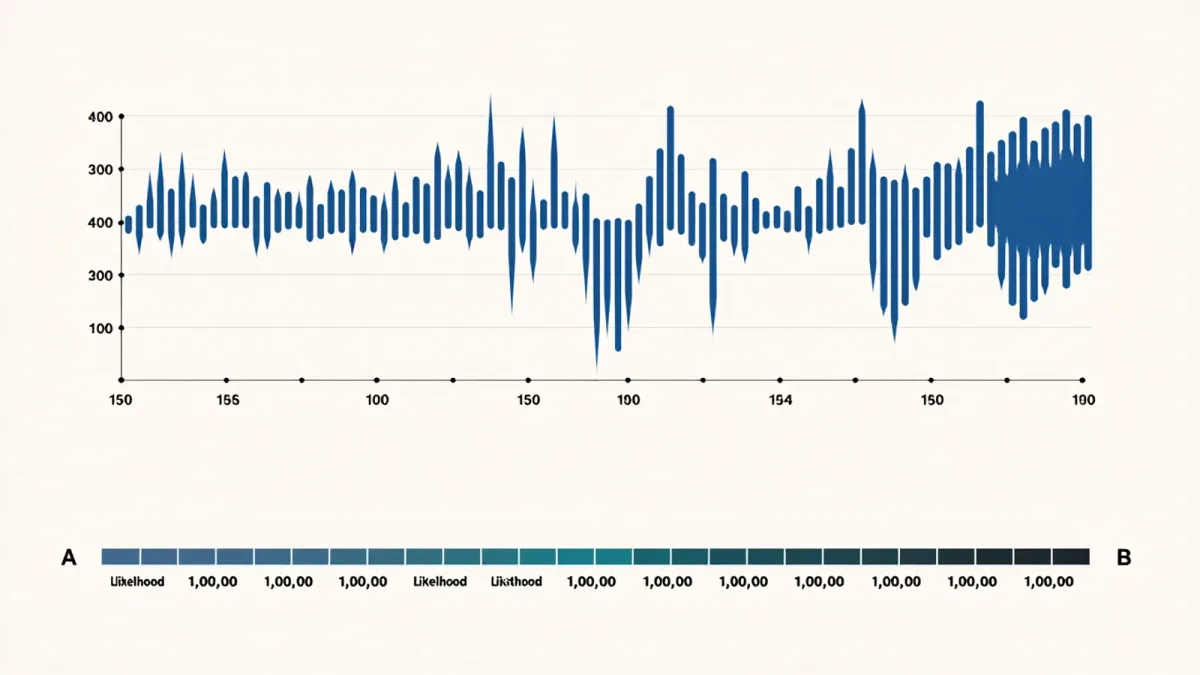
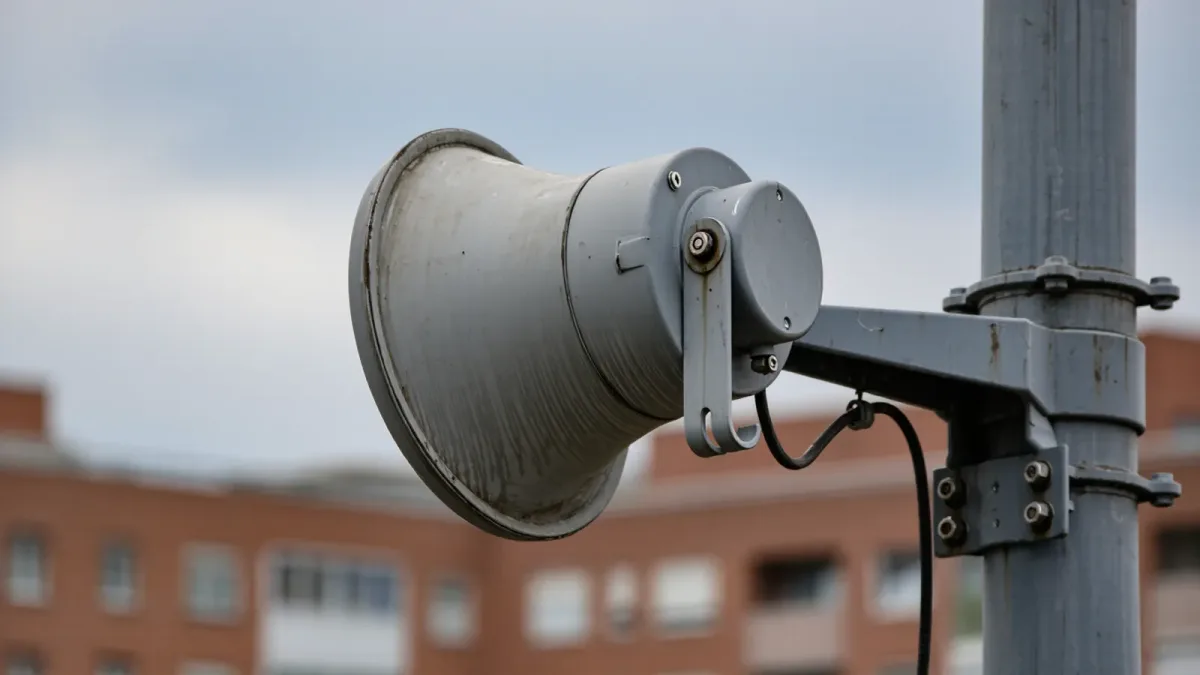
A typical deployment places microphone-equipped sensors on light poles, rooftops and other elevated fixtures across a designated coverage area. Each sensor time-stamps the sound it registers. Software classifies the acoustic signature — the impulse pattern and energy profile that distinguish a gunshot from fireworks, car backfires or construction — and triangulates a location from the arrival-time differences among sensors. An alert reaches a dispatch center, often within about a minute of the shot, with a mapped location the vendor says is accurate to within a few dozen feet.
Two design features shape everything downstream. First, classification is probabilistic: the system reports what a sound is most likely to be, not what it was. Second, coverage is discretionary. Cities decide which neighborhoods get sensors, so the resulting data map reflects deployment choices as much as actual gunfire.
What did the Chicago audit find?
The Chicago Office of the Inspector General examined the city's use of the ShotSpotter system in a report issued in 2021. Its central findings were sobering. In 2020, CPD responses to alerts produced documented evidence of a gun-related criminal offense in about 9 percent of cases, per the audit, and the large majority of alerts generated no incident report at all. The audit also found that alerts contributed little to the recovery of firearms relative to calls from residents, and it questioned the analysis underlying the program's expansion.
The audit did not find the system useless; it found the system's value unproven against its cost and its description in procurement materials. It recommended the city define measurable goals and evaluate against them. In 2024, Chicago's city government declined to renew the contract, and coverage in the city ended that September — a decision the mayor's office framed around cost and evidence, and which the vendor contested.
What does the vendor say, and how is it different?
The vendor, as vendors generally do, publishes accuracy claims that describe performance under its own definitions: correct classification of qualifying acoustic events, and precise location estimates. Those claims are not fabrication, but they measure a different thing than the audits measure. A system can classify acoustic events with high skill and still produce few alerts that lead to evidence of a crime, because many detected shots leave no victim, no shell casing that is found and no report.
The table below summarizes the distinction that governs nearly every disagreement about the technology.
| Claim type | Who makes it | What it measures | Independent basis |
|---|---|---|---|
| Classification accuracy | Vendor | Whether sounds are correctly labeled as gunfire | Vendor testing; limited peer review |
| Location accuracy | Vendor | Distance between alert and true shot origin | Vendor testing; some field validation |
| Alerts yielding evidence | Independent audits | Whether responses produce documented offenses | OIG audit, Chicago, 2021 |
| Effect on shooting rates | Vendor studies; some academics | Change in gunfire or violence over time | Mixed and contested findings |
What other independent checks exist?
Beyond Chicago, the record is thinner than the marketing. A 2022 analysis prepared for litigation by the MacArthur Justice Center examined Chicago alert data and argued that few alerts led to documented evidence — an advocacy analysis, but built on the city's own records. Some university-affiliated researchers have studied detection deployments in other cities; their findings have been mixed, and none has established the violence-reduction effects the industry describes. The National Institute of Justice has funded research on acoustic detection technology, and its published work emphasizes that independent validation of deployment-level outcomes remains limited.
Courtroom use adds another layer. Defense attorneys in several jurisdictions have challenged testimony founded on alerts, arguing the classification software's inner workings are not transparent enough to support proof that a shot was fired. Courts have generally admitted alerts as investigative leads rather than proof of what happened.
How should a city evaluate a deployment?
The Chicago audit's practical lesson was definitional: a city should decide in advance what the system is for and measure that. If the goal is faster notification of shots fired, the audit found the system does deliver alerts that residents did not call in, and dispatch records can verify response intervals. If the goal is recovering firearms, making arrests or reducing shootings, the burden of proof is higher, and the audit found the city had never set or tested targets for those outcomes.
Cost enters the equation because coverage is priced by area, and sensor density shapes detection quality. An honest evaluation therefore tracks three numbers together: what was paid, what the alerts yielded in documented offenses, and what alternative uses of the same resources would have produced. Independent audits elsewhere have applied versions of this framework, though few jurisdictions have published comparable analyses, which is itself a finding about how policing technology gets adopted.
Where are the technology's real limits?
Three limits recur across the independent literature. The system detects gunfire, not offenders: an alert rarely identifies who fired. It measures deployment geography: areas without sensors do not appear in the data, and analysts who forget this draw wrong conclusions about where guns are fired. And its evidentiary yield is modest: whatever the classification accuracy, only a minority of alerts connect to documented offenses, per the Chicago audit.
None of these limits makes acoustic detection worthless as a notification tool. They make its published performance claims — vendor and critic alike — something a reader should trace back to the named study before repeating.