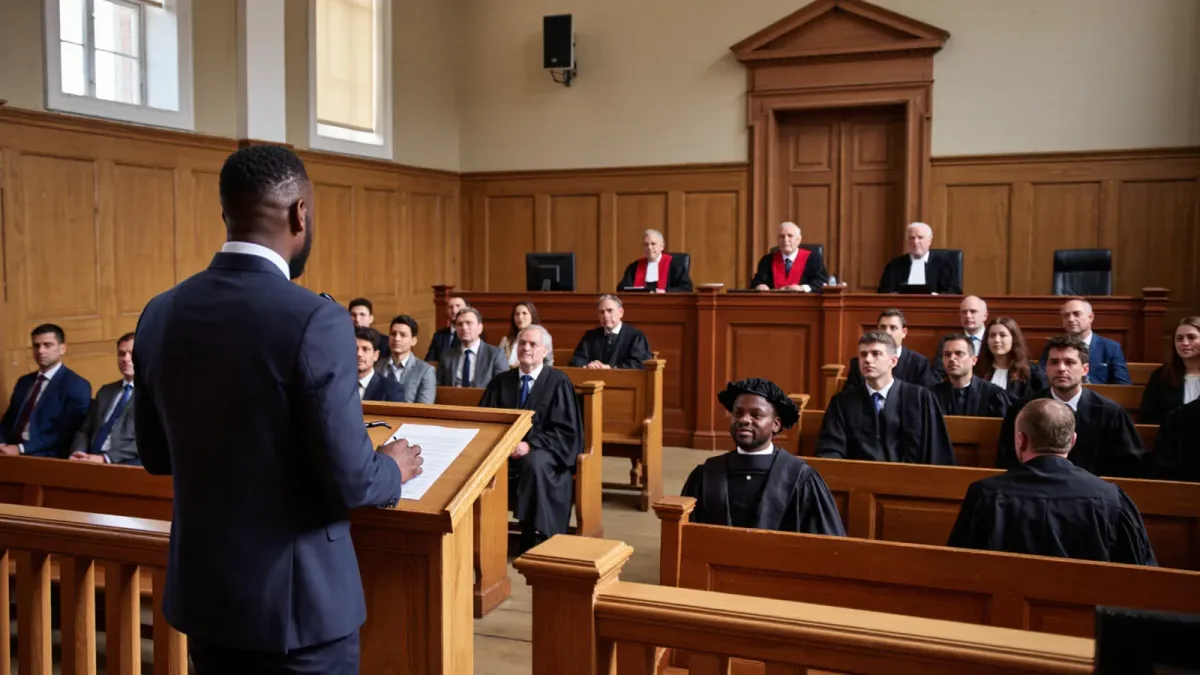
In State v. Tolbert, an Ohio Eighth District Court of Appeals decision released in late September 2025, the court reversed a trial judge's suppression order and remanded the case for a fresh evaluation of a search warrant whose affidavit did not disclose that Cleveland police had identified the suspect using facial recognition technology, per the appellate opinion. Qeyeon Tolbert was charged in the underlying case; the litigation concerns the warrant's validity, and he is presumed innocent of the charges unless and until proven otherwise.
The ruling explains how courts treat algorithmic identifications inside the Fourth Amendment process; it is information, not legal advice.
What happened in the case?
Per the appellate record summarized on Justia, Cleveland police ran a facial recognition search that produced Tolbert as a candidate, then sought a warrant for his home. The affidavit presented the identification without telling the judge that a computer system, rather than a human witness, had generated it. A trial court suppressed the resulting evidence, finding the warrant lacked probable cause; prosecutors appealed.
The Eighth District did not hold that facial recognition use automatically violates the Fourth Amendment. It reversed and remanded, ordering the trial court to take a proper second look at how the undisclosed technological identification affected the probable-cause determination, per the opinion and published coverage.
Related stories: Supreme Court decides six criminal cases by late January, most unanimously · Justice Department dismissed federal police investigations in Minneapolis and Louisville.
Why does disclosure to the judge matter?
A warrant affidavit is supposed to give the issuing judge the whole basis for probable cause, including the weaknesses. A facial recognition match carries documented error risks and demographic performance concerns that independent studies have raised — facts a judge weighing reliability would want to know. Presenting an algorithmic lead as if it were witness identification changes the character of the evidence before the court.
The remand means the trial court must now weigh the affidavit as it actually stood, with the technology's role in view, and decide whether probable cause survives. Either ruling can be appealed again, so the case's final meaning remained open as of early 2026.
What is the broader procedural landscape?
Tolbert sits in a widening line of cases. New Jersey's appellate courts, in State v. Arteaga (2023), required prosecutors to disclose categories of facial recognition records to the defense, and Detroit adopted policies barring arrests based solely on a facial recognition match after wrongful-arrest settlements. Per amicus briefs filed by the ACLU of Ohio and the National Association of Criminal Defense Lawyers in Tolbert, undisclosed algorithmic identifications undermine the warrant process itself.
The common procedural demand across these cases is the same: the machine's role belongs in the record, in the affidavit, and in discovery — before a home is searched or a trial begins.
What happens next in Tolbert?
On remand, the trial court re-examines probable cause with the facial recognition use disclosed. If it again suppresses, the state can seek further review; if it upholds the warrant, suppression issues may reach Ohio's higher courts. As of this writing, the charged case was pending and no trial outcome had been reached.
For more context, read How the Supreme Court chooses which criminal cases to hear.
For more context, read supreme court criminal cases.
For more context, read What a federal detention hearing is, and how judges decide.