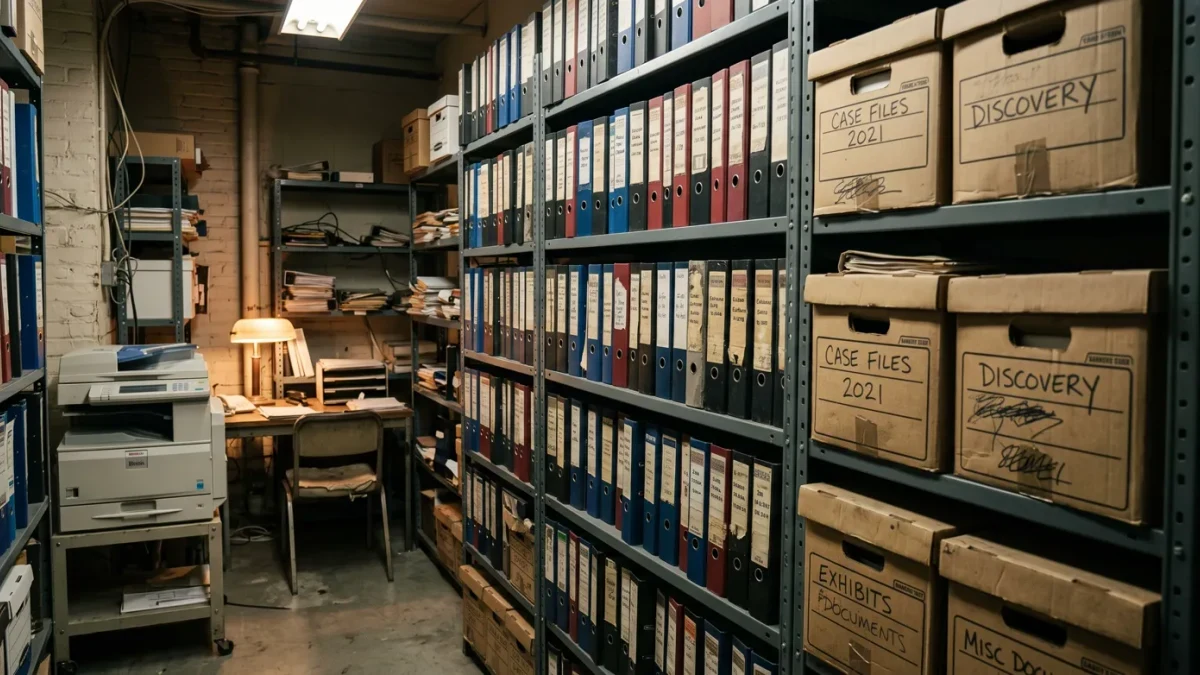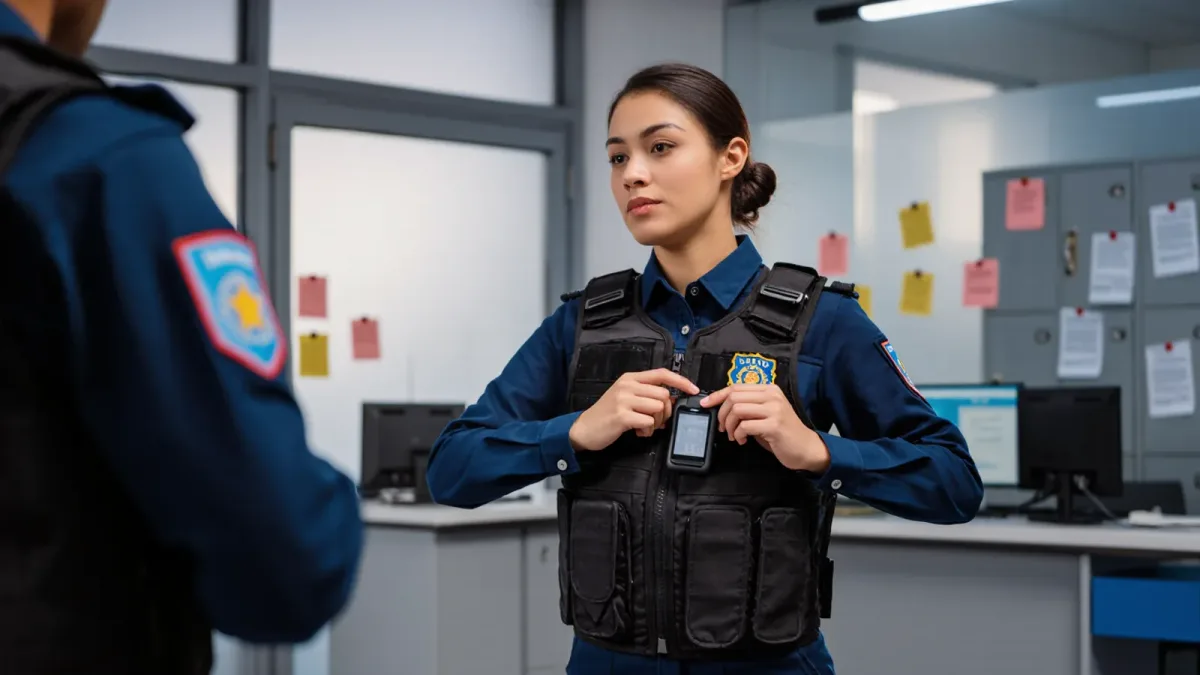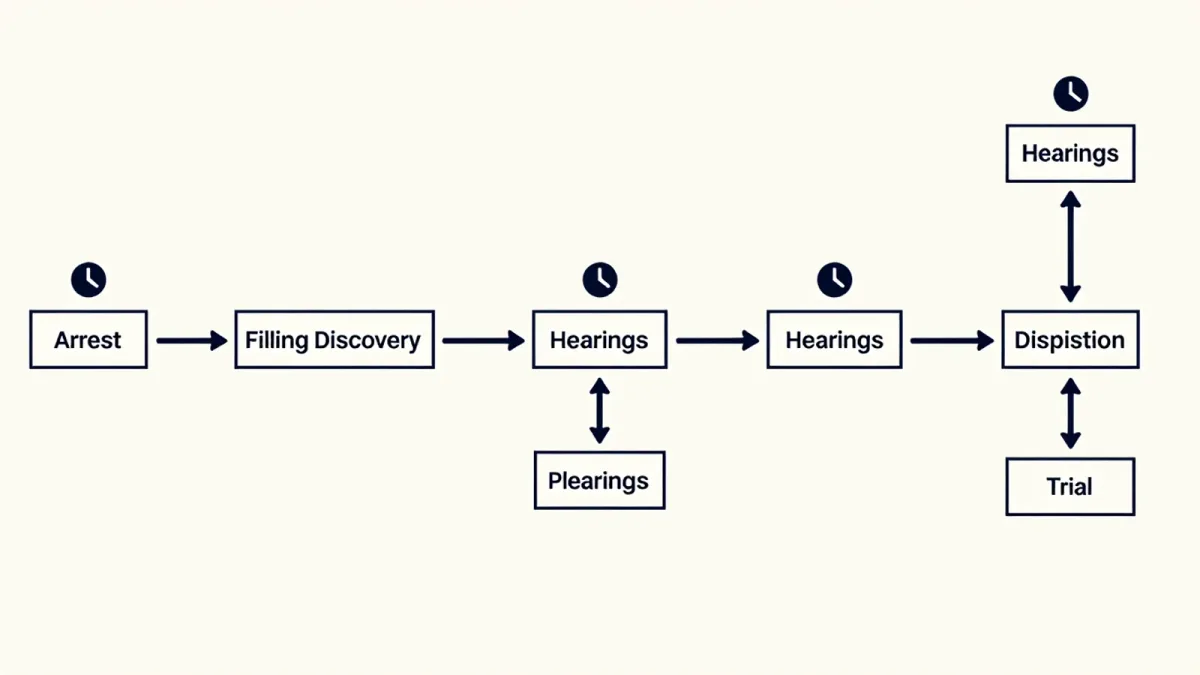
Discovery platforms are software systems that index, review and share the evidence in criminal cases, and body camera video is what broke the old methods: a single arrest can produce several hours of footage, and a routine case can involve more video than a trial team can watch in a day. Deadlines have tightened to match the volume. New York's 2020 discovery reform, for example, requires prosecutors to turn over evidence automatically within weeks — as little as 15 days where the defendant is in custody — which made manual copying and hand delivery untenable.
These platforms are now part of the constitutional machinery. The Supreme Court's Brady doctrine requires prosecutors to disclose favorable evidence, and at current volumes, compliance is an information architecture question before it is anything else.
Why did discovery volume explode?
Three sources compounded. Body cameras, now standard in large agencies per Bureau of Justice Statistics surveys, attach hours of video to even minor cases. Phone extraction, accepted by courts since the 2014 Riley warrant decision, adds tens of thousands of files per device. Surveillance and third-party records — doorbell cameras, business systems, app data — arrive in whatever format the holder has. A 2019-era case file was a folder; a current one can be a distributed database.
Reform statutes raised the pace simultaneously. Automatic discovery regimes, adopted in New York and copied in other states, removed the old ask-and-wait rhythm in which defense requests triggered production. Now production is the default and the clock starts at arraignment, which is why the platforms exist: no clerical staff can move that much material that fast by hand, with the required logs of what went where.
What do discovery platforms actually do?
The core functions are ingestion, indexing, review and production. Evidence from police systems, labs and video vendors is uploaded and deduplicated. Files are indexed so reviewers can search transcripts, extracted text and metadata rather than watching or reading everything. Review tools let prosecutors tag material as disclosable, request a ruling on sensitive categories, and annotate. Production tools generate defense access — organized downloads or secure viewing links — with logs that record exactly what was shared and when.
Defense-facing functions matter as much. Attorneys can flag items, run their own searches, export subsets for trial and verify completeness against the index of what exists. In discovery litigation, those indexes and logs have become exhibits: when a dispute arises over whether something was produced, the platform's record of what it holds is the reference both sides cite.
How does the software connect to Brady obligations?
Brady requires disclosure of evidence favorable to the defense, and Giglio extends the principle to impeachment material about witnesses. Software supports this in two ways. Search across cases lets prosecutors identify, say, prior misconduct records for a testifying officer that appear in other files. Production logs create the documented record of what was disclosed, which is what a court examines when a defendant argues evidence arrived late or not at all.
Neither function guarantees compliance. A case the platform never links to an exculpatory item remains a gap; appellate opinions on discovery failures show the recurring pattern is not concealment but material sitting in one file while a different case moved forward. Courts have sanctioned late production, excluded evidence and, in egregious examples, dismissed charges. The platform records the failure; it does not prevent it.
| Function | What it does | What it cannot do |
|---|---|---|
| Ingestion and deduplication | Organizes files from many sources | Know an item is missing |
| Search and indexing | Makes volume reviewable | Replace a reviewer's judgment |
| Production logs | Records what was shared and when | Prove completeness |
| Defense access | Delivers organized material | Resolve disputes over timing |
What do defense attorneys say about the platforms?
Defender organizations have generally welcomed automatic production and searchable evidence, while raising documented objections. Expired viewing links can make trial preparation difficult. Bulk production without organization can shift the burden of understanding volume onto the defense, which is why some reform statutes require the prosecution to organize or index what it produces. Access costs matter: some platforms price defense accounts per seat, and several courts have held that charging defendants to receive evidence the state must disclose is incompatible with discovery rules.
The deeper concern is symmetry. The prosecution's copy of the platform connects to the systems that originate evidence; the defense sees what was produced. When the index of what exists is itself contested, defense counsel increasingly ask courts to order disclosure of the complete inventory, not just the files. The inventory is the platform's own log — a fitting example of how software records have become the subject as well as the instrument of discovery disputes.
What did discovery look like before automation?
The pre-digital process was physical: defense attorneys requested materials, prosecutors photocopied reports, and video arrived on discs or not at all until trial. Production schedules stretched across months because every item was copied by hand, and the record of what had been produced was often a routing slip. Late disclosure disputes were hard to adjudicate precisely because no one could establish what had been handed over, when, or in what condition.
Automation changed the default from request to disclosure, and it changed the evidentiary basis of disputes. Courts now resolve discovery motions against system logs rather than recollections, which has raised the stakes of keeping those logs accurate. Older practitioners and scholars describe the shift as the largest change in case preparation in a generation; the reform statutes that followed did not create the volume, but they codified expectations the technology had made realistic.
What are the limits of the technology?
Platforms move and organize evidence; they cannot establish that the evidence is complete, translate ambiguity into disclosure decisions, or substitute for an attorney's reading. Their logs are only as accurate as the workflows feeding them — items handed over offline, shared by email in violation of policy, or never entered at all leave no trace. Automated transcription of body camera audio, a common feature, introduces its own error rates, and vendor accuracy claims for transcription have drawn the same caution that applies to other vendor claims in policing technology.
For a reader following a case, the practical signposts are the deadlines in the jurisdiction's discovery rules and the sanctions courts actually impose for missing them. Where those rules bite, platforms have made compliance measurable. What remains unmeasured is everything that was never entered.