On March 10, 2026, the Justice Department released its first Corporate Enforcement Policy applying to all criminal cases department-wide, per the department's press release, replacing the May 2025 white-collar enforcement guidance and extending a voluntary self-disclosure framework that had previously lived inside the Criminal Division to every DOJ component that prosecutes corporate crime.
The policy governs how the government resolves cases against companies — entities that face charges, deferred prosecution agreements, or declinations; it is enforcement process, and this article is information, not legal advice.
What does the policy actually change?
Per the department's announcement and published firm analyses, the policy unifies standards for the rewards of self-disclosure: companies that voluntarily report misconduct, cooperate fully, and remediate can receive declinations — formal decisions not to charge — or non-prosecution and deferred resolutions instead of guilty pleas. Before March 2026, each component applied its own patchwork; a fraud case and an environmental case could follow different playbooks inside the same department.
The March 10, 2026 release also signals where pleas remain: per the department's posture described in the release, egregious misconduct and cases without full cooperation remain candidates for corporate guilty pleas, which carry collateral consequences from debarment to collateral-estoppel effects in civil suits.
How does a corporate case move through the process?
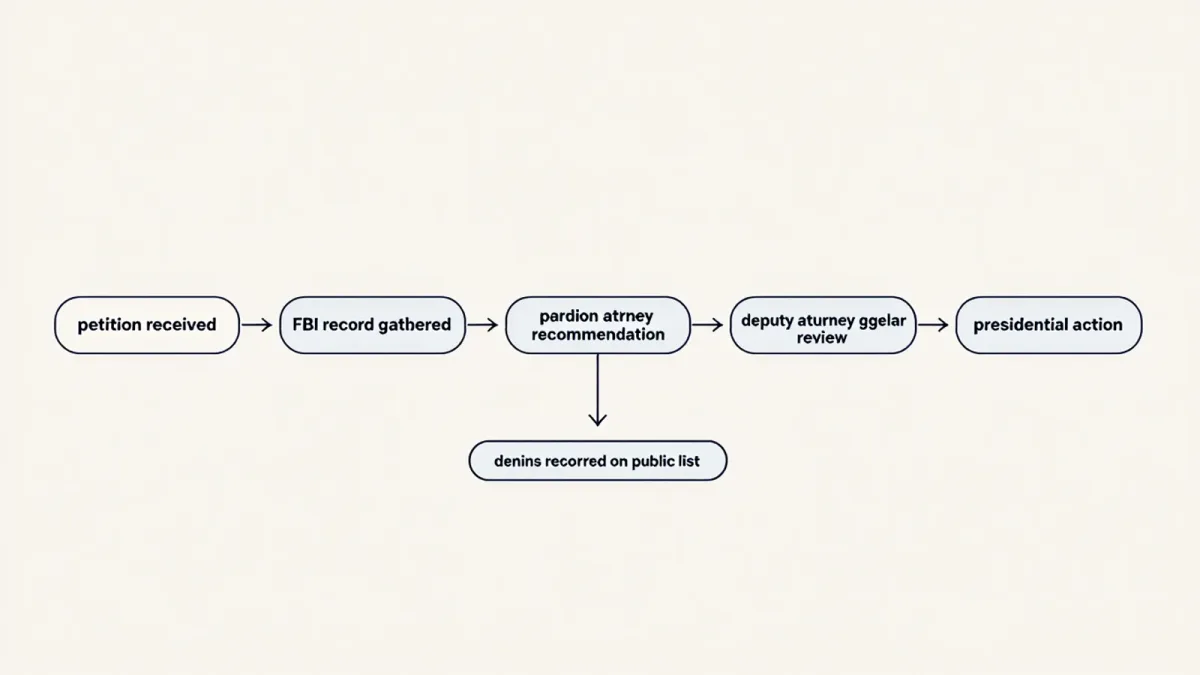
A typical sequence: an internal investigation and possible self-disclosure by the company; DOJ component review against the policy's factors; a resolution decision — declination with disgorgement, non-prosecution agreement, deferred prosecution agreement (where charges are filed but dismissed after compliance), or plea; and, for most agreements, an independent compliance monitor reporting for a set term. Each step is documented in written agreements filed in federal court, which is why these resolutions are legible public records in a way that declination decisions largely are not.
What does the process do next?
Two follow-throughs matter for the record. First, components issue updated manuals and training so line prosecutors apply the same factors. Second, the policy's effects show up in statistics the department and outside trackers publish over the following year: the ratio of declinations to pleas, monitor impositions, and the monetary remedies attached to each resolution.
Why does a policy document count as news?
Because charging policy, not any single case, sets the terms of negotiation for every company under investigation. A declination that would have been a plea under prior guidance changes restitution actually recovered for victims, and the March 10, 2026 consolidation made those trade-offs uniform — which is why defense bars, prosecutors, and victims' advocates all filed their readings of it within weeks, per published commentary.