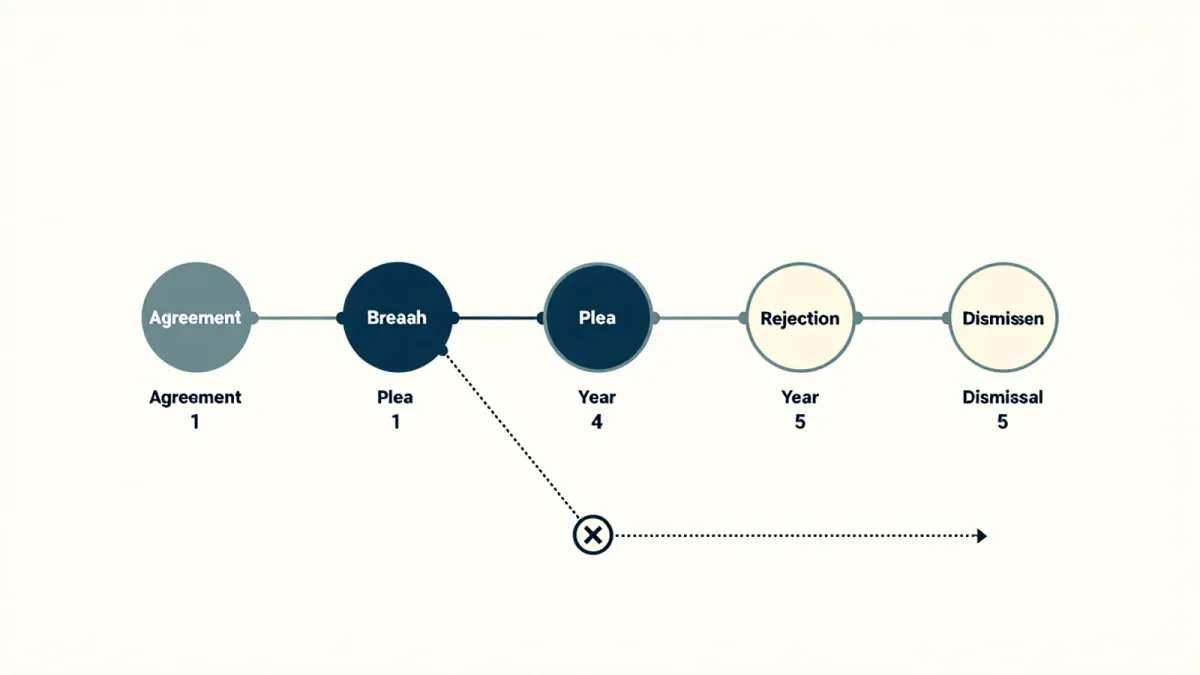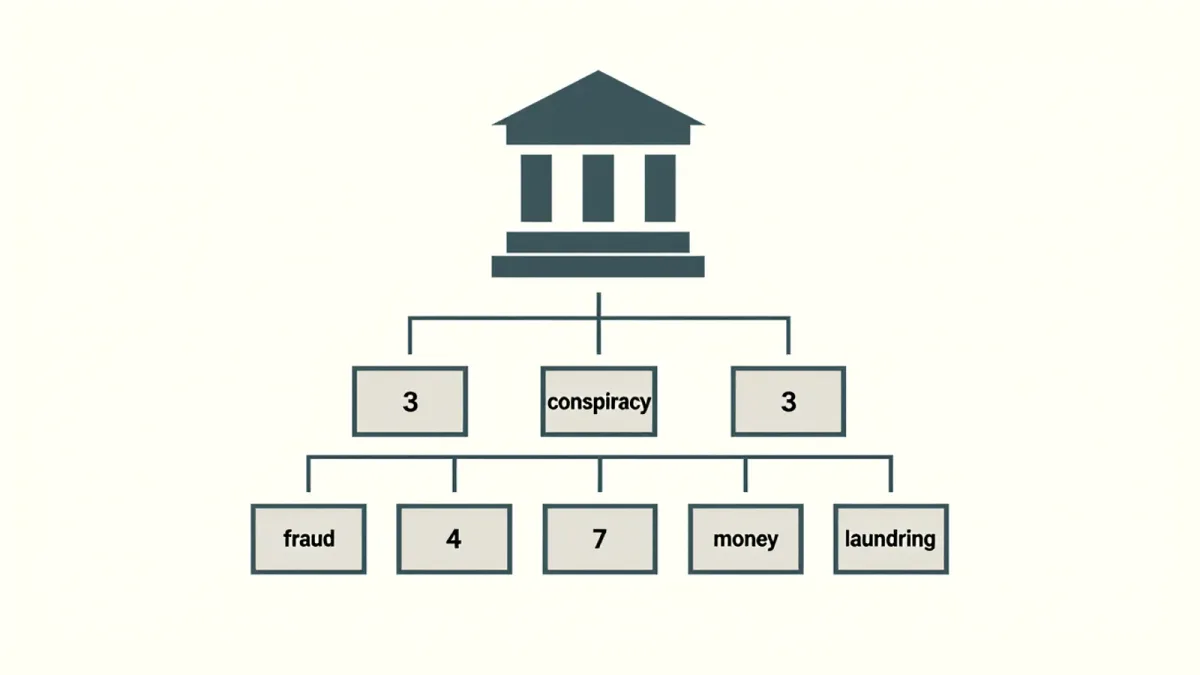
The Purdue Pharma criminal case is really three cases at different levels. In May 2007, an affiliate, The Purdue Frederick Company, pleaded guilty in federal court in Virginia to felony misbranding of OxyContin and paid about $634 million in penalties. In October 2020, the operating company pleaded guilty again — this time to three federal felonies including conspiracy to defraud the United States — as part of an approximately $8.3 billion resolution. And in parallel, civil actions stripped the Sackler family of ownership and, through a 2024 Supreme Court ruling and a revised 2025 settlement, redirected their fortune toward opioid abatement.
Keeping those tracks separate — criminal versus civil, company versus family — is the only way to say accurately what the justice system did and did not do here. This article publishes information, not legal advice.
What was the 2007 criminal case about?
The 2007 prosecution, brought by the United States Attorney's Office for the Western District of Virginia, charged that Purdue marketed OxyContin to doctors as less addictive and less prone to abuse than other opioid painkillers, with training that urged similar messages, despite company knowledge that the claim was unsupported. The Purdue Frederick Company pleaded guilty to felony misbranding of a drug — a violation of the Food, Drug, and Cosmetic Act — and paid roughly $600 million in fines and forfeitures, one of the largest pharmaceutical penalties to that time. Three senior executives, including the company's president and top lawyer, pleaded guilty to the misdemeanor version of misbranding and were fined $34.5 million collectively; none received prison time.
The case is often cited as an early warning: prosecutors had established in open court, by plea, that the company had lied about addiction risk years before the overdose crisis peaked in the 2010s.
What did the 2020 plea add?
Thirteen years later, in October 2020, Purdue Pharma LP itself pleaded guilty in federal court in New Jersey to three felonies — two counts of conspiracy to defraud the United States and a conspiracy charge under the federal anti-kickback statute — admitting that it had marketed opioids to prescribers without legitimate medical purpose and paid doctors inducements through its patient-support programs. The announced resolution carried about $8.3 billion in penalties, but the fine was structured to be paid largely through Purdue's bankruptcy, which the company had filed in September 2019. The Sackler family members, who were not criminally charged, separately agreed that October to a $225 million civil settlement with the Justice Department over civil claims.
Note the asymmetry, because it defines the case: the corporation pleaded guilty twice; the individual owners faced civil resolution and litigation, not federal criminal prosecution. That gap drew sustained criticism from members of Congress and from state attorneys general, and it is the factual answer to the recurring question of why no Sackler went to prison.
How did the bankruptcy and the Supreme Court change the outcome?
Purdue's bankruptcy became the main arena. The company's 2021 plan would have ended the opioid litigation in exchange for billions from the Sacklers — and would have granted the family sweeping "third-party releases," civil claims against them extinguished whether or not the claimants consented. In Harrington v. Purdue Pharma, decided June 27, 2024, the Supreme Court rejected that structure 5-to-4, holding the Bankruptcy Code does not authorize nonconsensual releases of claims against parties who have not filed for bankruptcy. The justices' ruling did not touch the money; it touched the mechanism.
Negotiations resumed within months, and in January 2025 the parties announced a revised settlement: the Sacklers to contribute up to about $7.4 billion over 15 years, Purdue to be converted into a public benefit company controlled by a new steward, and tens of millions of internal documents to be made public. The revised plan moved through bankruptcy court approval during 2025 and implementation proceeded under the court's supervision, per the case's public filings. Funds flow to states, local governments, and tribes for abatement — treatment, recovery, and prevention — rather than to individual compensation in the main.
What does the record show, end to end?
The documented sequence: a 2007 criminal plea by an affiliate for misbranding, with executives fined but unjailed; a 2020 criminal plea by the company for fraud and kickback conspiracies, with penalties absorbed by bankruptcy; no federal criminal charges against family members; civil settlements and a Supreme Court limit on bankruptcy's reach; and a multibillion-dollar abatement fund built partly from a fortune the criminal process never touched. For students of how the system handles corporate crime, the case is the standard citation for both propositions at once — that federal prosecutors can convict a corporation, and that a corporation's conviction is not the same thing as anyone's accountability.
What did the criminal cases not cover?
The gaps are as documented as the pleas. No Sackler family member was charged federally, although the family owned the company, received its distributions, and, per the civil record, participated in decisions about marketing and about the profit withdrawn before the bankruptcy. The 2007 case charged three executives with misdemeanors — the lowest tier of the same misbranding statute the company admitted as a felony — and none served time. Members of Congress held hearings on the disparity, and state attorneys general pushed for more, including criminal referral questions raised in litigation. The prosecutors' stated constraints were structural: intent evidence against individuals was contested, and the conduct, however harmful in aggregate, fit charging theories that had already been tested and resolved at the corporate level twice. The result is the case's permanent tension: the fullest federal record of opioid marketing fraud exists in corporate pleas, while the people who owned the defendant company answered only in civil court.
Where does the money actually go?
The settlement architecture routes funds to governments, not directly to victims. Under the framework, Sackler contributions flow to states, local governments, Native tribes, and individual claimants through a state-by-state allocation hashed out over years of negotiation, with the largest shares designated for abatement: treatment capacity, naloxone distribution, recovery housing, and prevention programs. Individual victims and survivors receive comparatively small payments under the plan's direct-claim provisions. The design has been criticized on both grounds — that abatement spending is fungible and hard to audit, and that the per-person payments understate the harm. What the documents make plain is that the criminal cases generated penalties on paper and the bankruptcy determined who was actually paid, in what form, and over how many years.