
Topic
Justice news today: How to follow court cases like a pro, without getting misled
Dockets, rulings, and the vocabulary that tells you where a case actually stands.
Dockets, rulings, and the vocabulary that tells you where a case actually stands.

The espionage convictions of Aldrich Ames and Robert Hanssen showed that trusted insiders with authorized access cause the deepest intelligence losses, and the cases produced standing counterintelligence reforms.
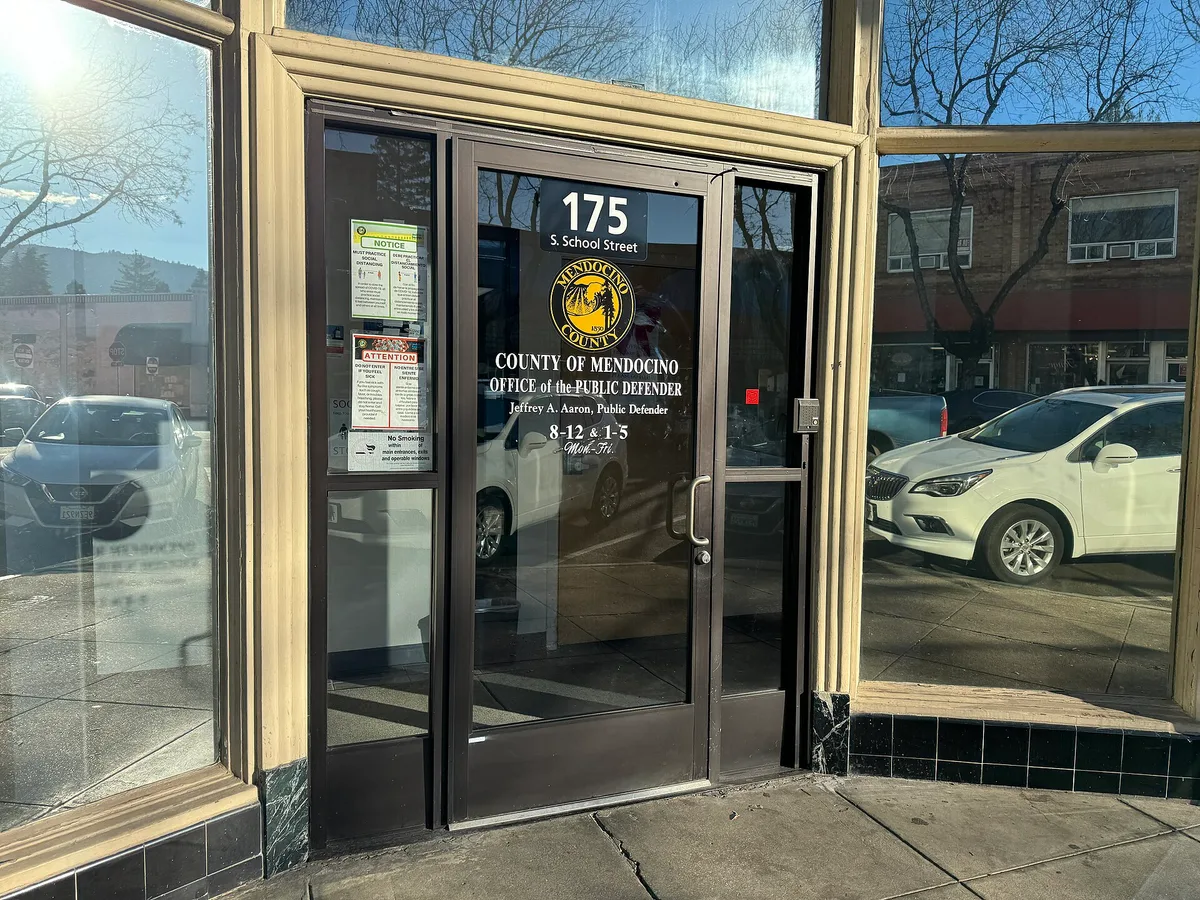
Who they are, what the caseload looks like, and why the job shapes outcomes for everyone who cannot afford a lawyer.

Military police forces sit inside the armed services, enforce a separate legal code, and answer to a chain of command. Here is how that system works, and where its authority ends.
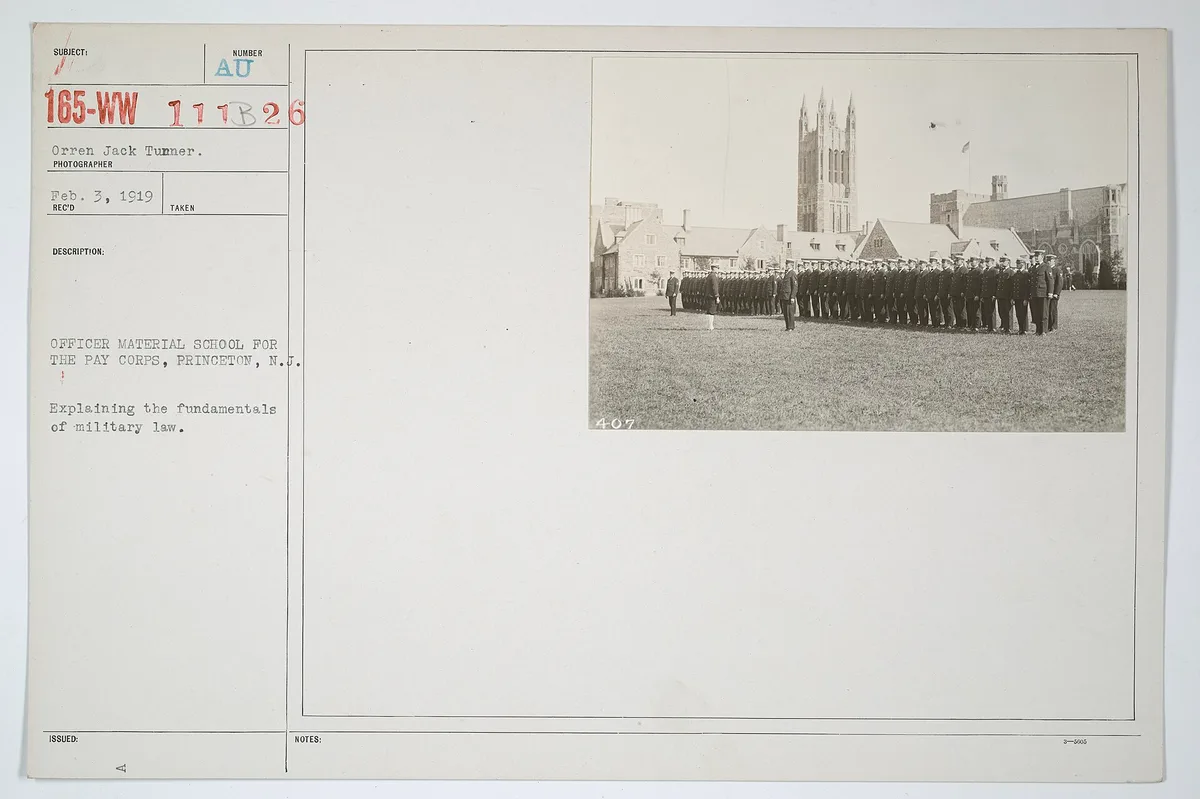
Service members answer to a separate legal code, a separate court system, and a chain of command that civilian defendants never face.

A subpoena is a court order, not a suggestion. Here is what the two types demand, who can issue them, and what contempt can mean.

Online legal services handle paperwork well. They do not represent you, and knowing the difference decides whether they are enough.
The appeal runs on puzzle-solving, safety-at-a-distance and a sense of unfinished business — and it shapes what listeners expect from investigators and juries.
A long-form crime feature is not finished when the writing is done. Legal review, fact-checking and ethics decisions decide what readers finally see.
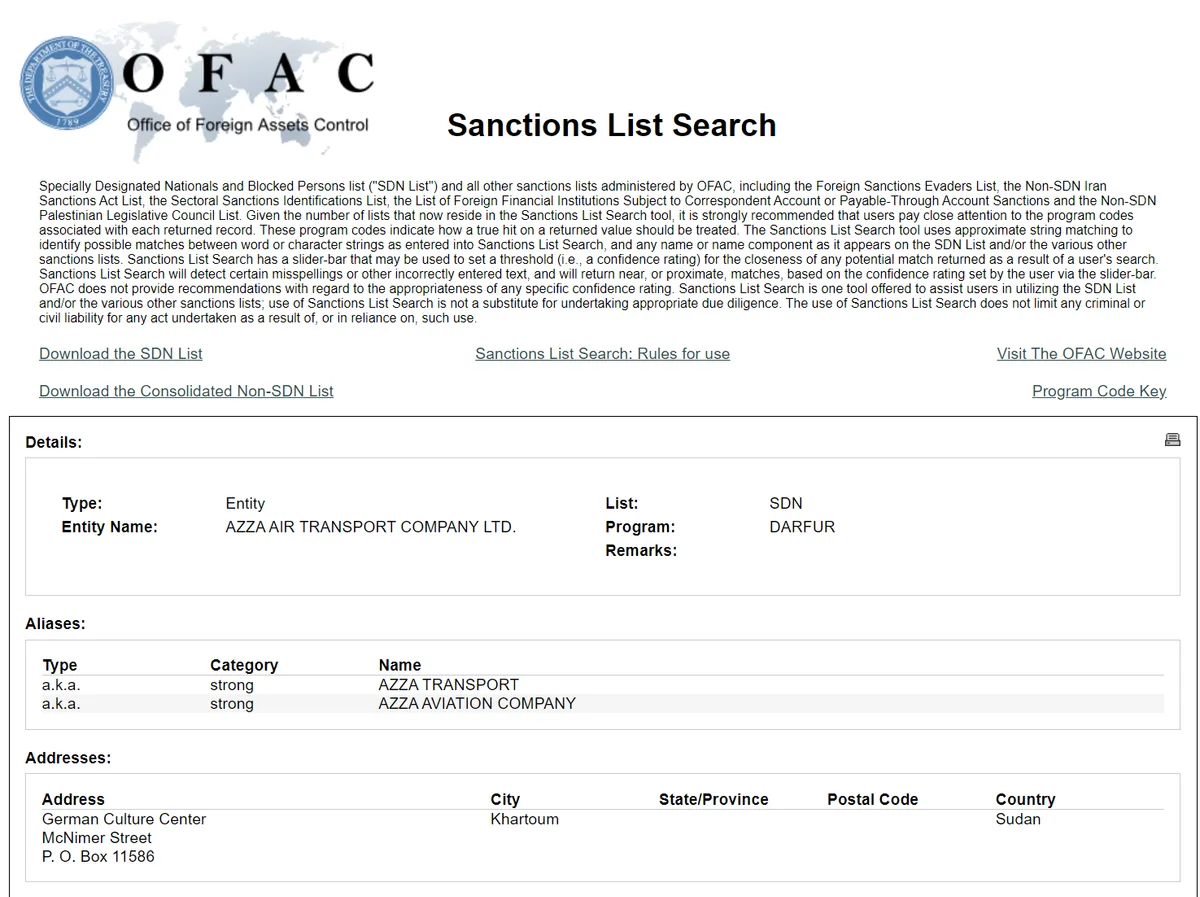
Writing the rule is the easy part. The harder work is checking millions of transactions against lists that change without notice.