
What a criminal complaint is and how one gets filed
A criminal complaint is a written statement of the essential facts constituting an offense, made under oath and tested by a judge for probable cause before any arrest warrant issues.
A criminal complaint is a written statement of the essential facts constituting an offense, made under oath and tested by a judge for probable cause before any arrest warrant issues.


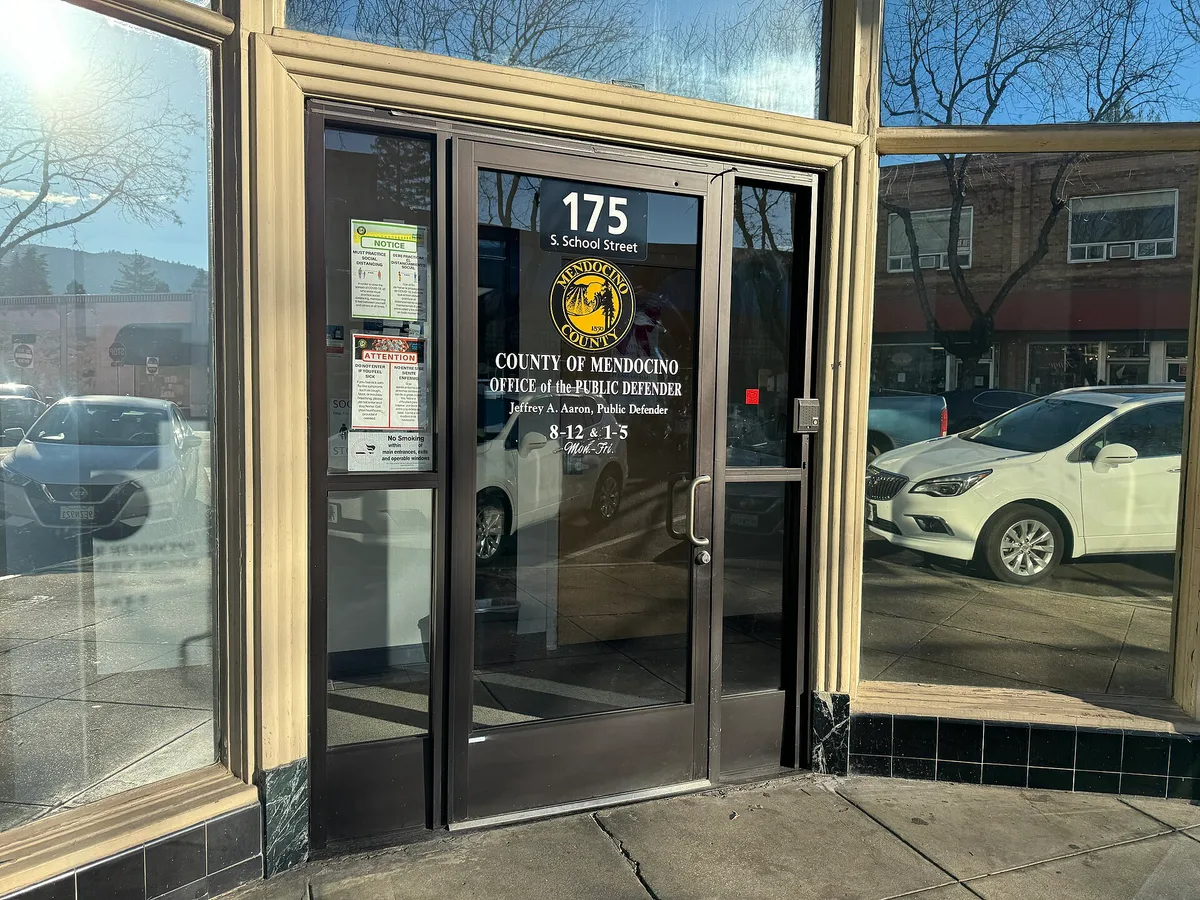
Who they are, what the caseload looks like, and why the job shapes outcomes for everyone who cannot afford a lawyer.

Online legal services handle paperwork well. They do not represent you, and knowing the difference decides whether they are enough.

A subpoena is a court order, not a suggestion. Here is what the two types demand, who can issue them, and what contempt can mean.

The appeal runs on puzzle-solving, safety-at-a-distance and a sense of unfinished business — and it shapes what listeners expect from investigators and juries.
A long-form crime feature is not finished when the writing is done. Legal review, fact-checking and ethics decisions decide what readers finally see.
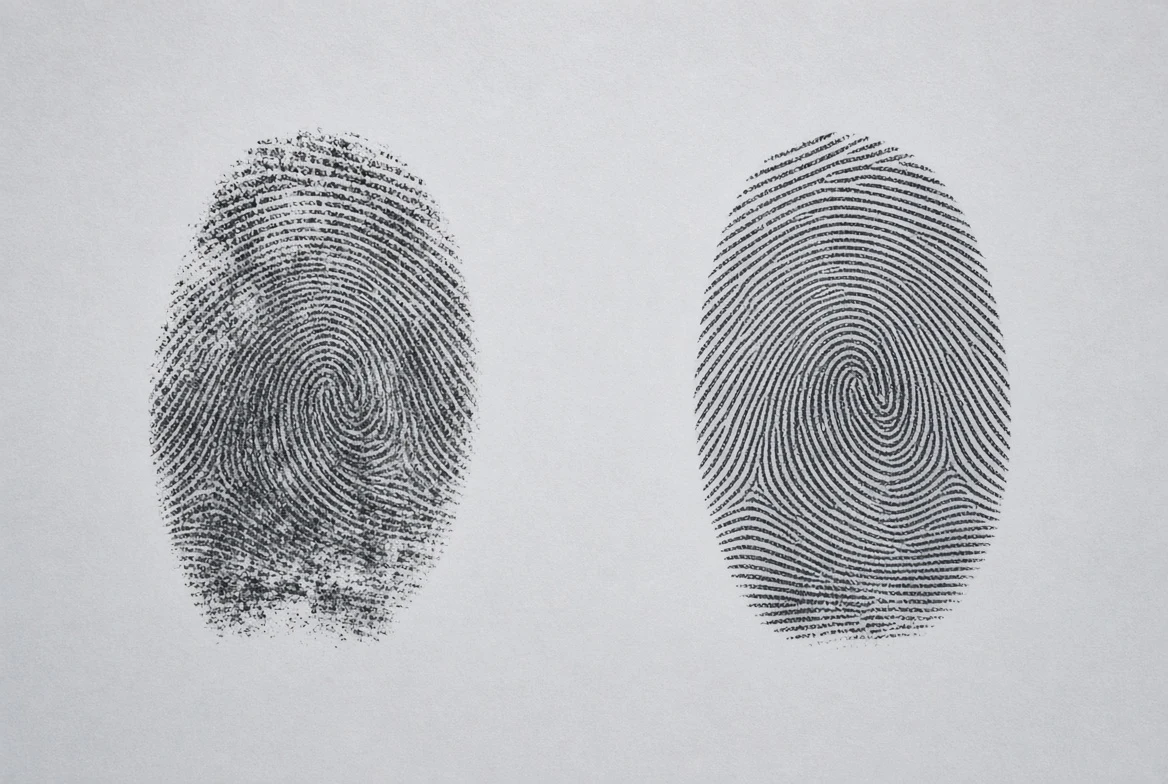
A 2011 double-blind test of more than 169 examiners put numbers on a method courts had relied on for a century — and the numbers cut both ways.

Military police forces sit inside the armed services, enforce a separate legal code, and answer to a chain of command. Here is how that system works, and where its authority ends.

Service members answer to a separate legal code, a separate court system, and a chain of command that civilian defendants never face.

Rank means different things in a city department, a sheriff's office, and a federal agency. Here is how the hierarchies fit together, and where they do not.
Writing the rule is the easy part. The harder work is checking millions of transactions against lists that change without notice.
A signature, a sealed container, and a log entry at every handoff: the paperwork that decides whether a gun, a drug sample, or a DNA swab can be used against someone in court.
Most large departments adopted de-escalation policies after 2020; whether officers comply shows up in force data, not in the policy manual.

Pay between defense contractors and Big Tech differs less in headline numbers than in how the money, the security and the work are structured.
A small receiver and free software can open aircraft, satellite and public-safety signals to civilians — within limits the law sets.
Facial recognition accuracy is measured by the National Institute of Standards and Technology's FRVT program , and its 2019-2023 reports found the most accurate algorithms identified verification-style face matches with error rates below 0.
Police facial recognition can be highly accurate or badly wrong, depending on which algorithm is used and whose face it is analyzing.

The espionage convictions of Aldrich Ames and Robert Hanssen showed that trusted insiders with authorized access cause the deepest intelligence losses, and the cases produced standing counterintelligence reforms.
A subpoena is a court order that compels testimony or evidence, and ignoring one carries penalties. This guide explains both types, the exceptions, and your options.
A federal grand jury is a closed-door screening body of 16 to 23 citizens with subpoena power. Here is who sits on it, what happens inside, and how an indictment gets endorsed.
Plea agreements resolve the overwhelming majority of American criminal cases. Here is how the negotiation works, what a defendant gives up, and why judges must still approve the deal.

The FBI's 2023 crime statistics show violent crime down about 3 percent from 2022, with murder down sharply — but the numbers depend on how many agencies actually reported.

Under the Bail Reform Act, release is the default and detention is what the government must argue for — here is the sequence, the burdens of proof, and what the federal data show about who is held.
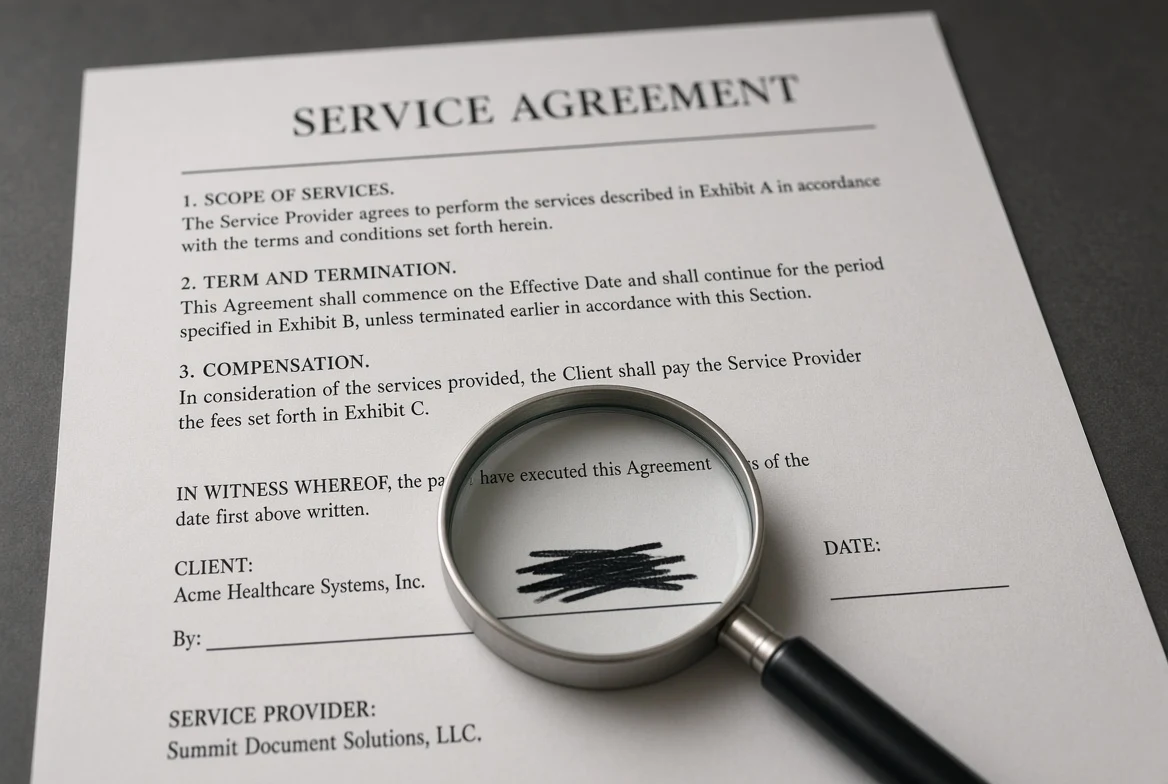
The SEC whistleblower program lets someone with original, non-public knowledge of a securities law violation report it directly to the Securities and Exchange Commission and, if that tip leads to a successful enforcement action collecting more than $1 million in sanctions, receive an award of 10 to 30 percent of what is collected, according to the SEC’s whistleblower rules.
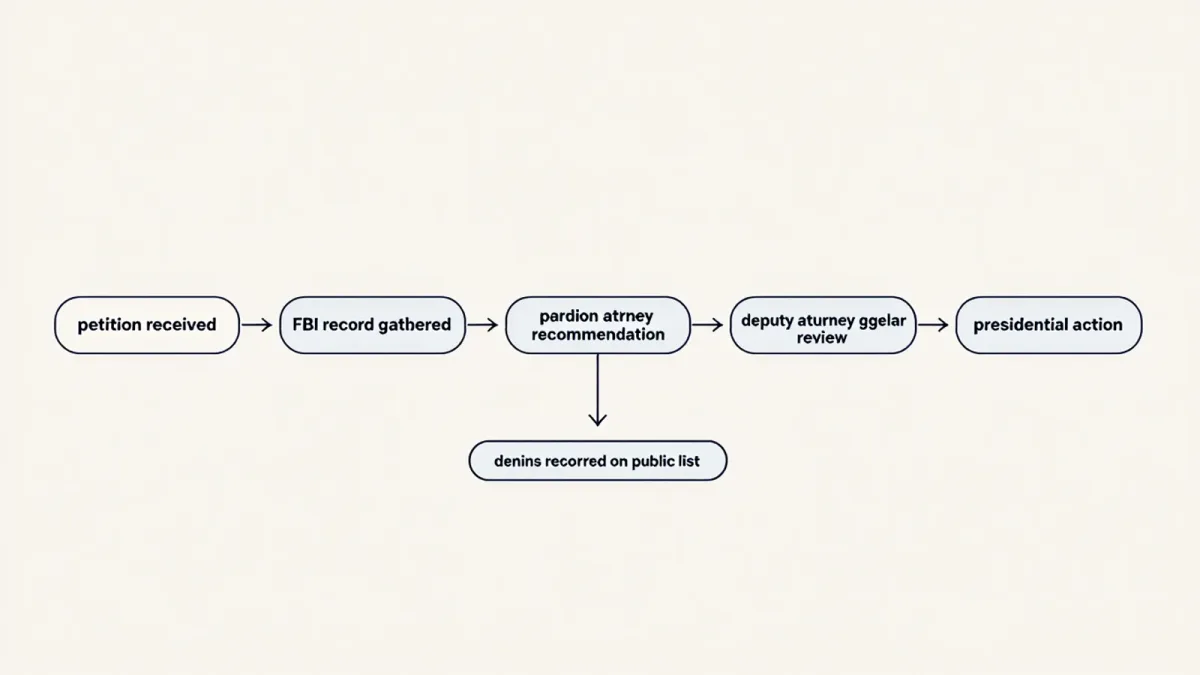
The Office of the Pardon Attorney's published lists record pardons and commutations granted through 2026 alongside a much larger volume of denied applications — and the paperwork defines what each act actually does.