Topic
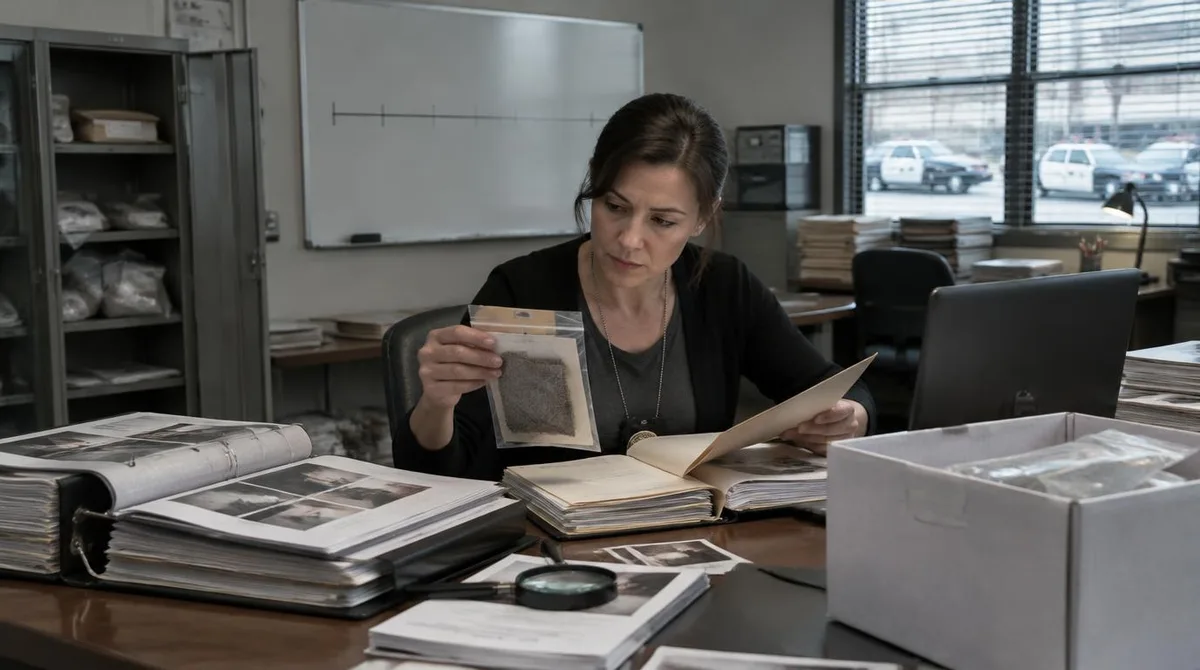
How cold case units reopen investigations that went unsolved
Cold case units re-examine unsolved violent crimes when new DNA testing, genetic genealogy leads, or fresh witnesses give an old file a new path forward.
Cold case units re-examine unsolved violent crimes when new DNA testing, genetic genealogy leads, or fresh witnesses give an old file a new path forward.
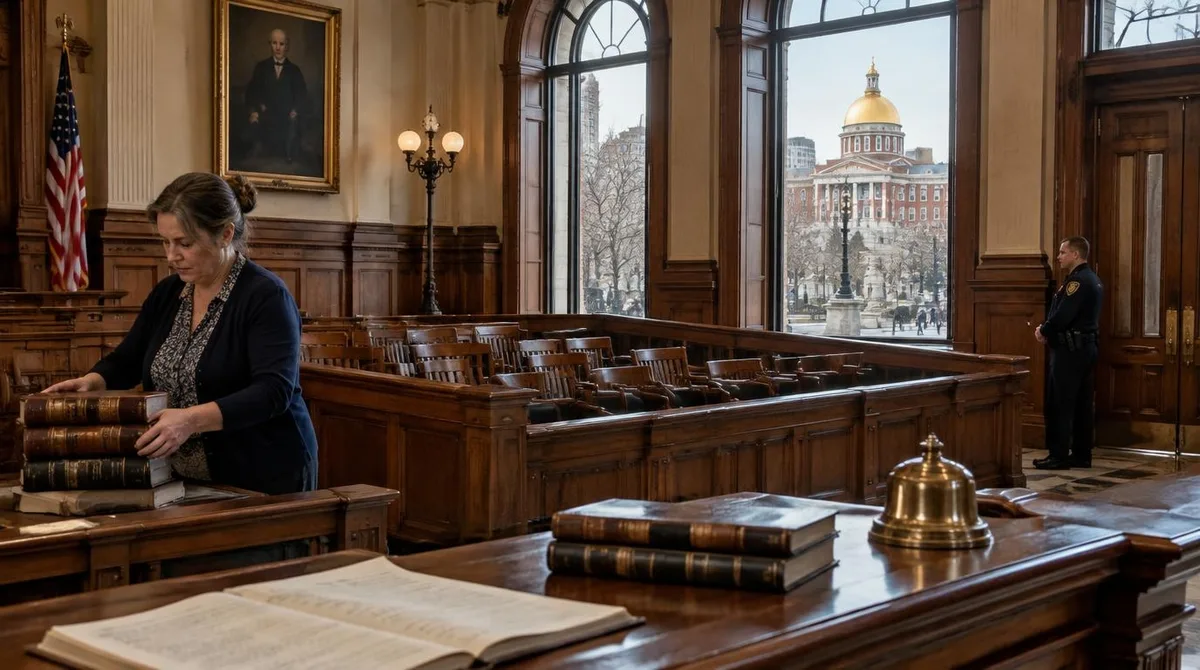
A look at how the region's best-remembered prosecutions keep echoing through its rules, its courthouses, and its public memory.
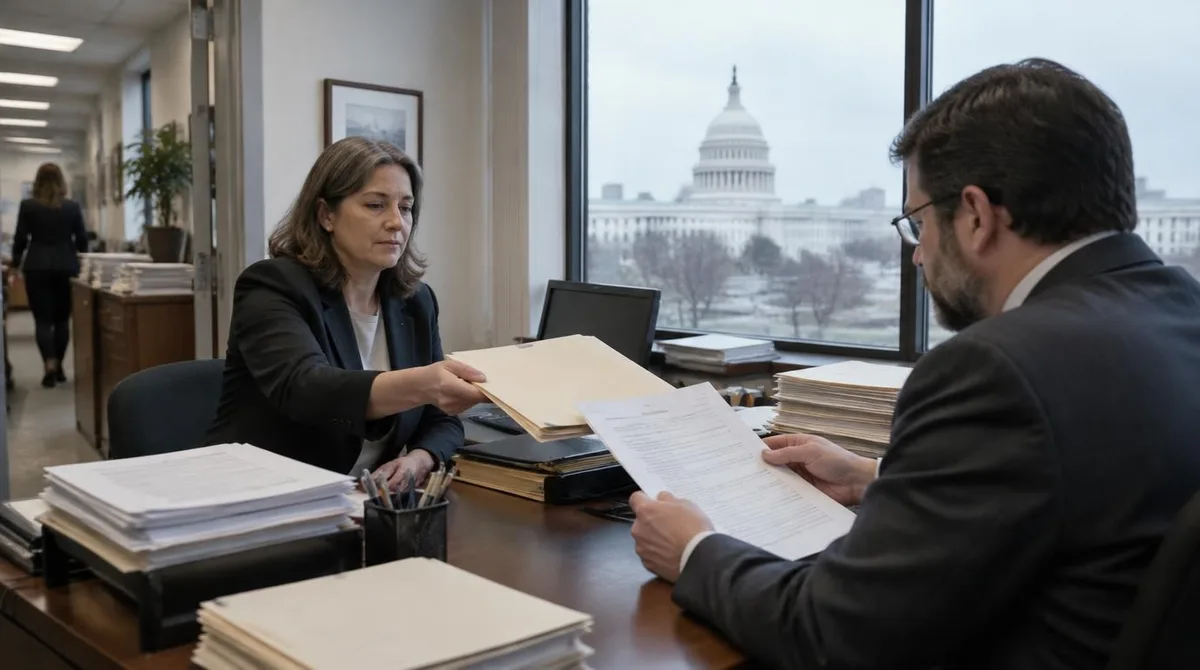
A federal whistleblower case moves through named offices on fixed clocks: a protected disclosure, an inspector general or Office of Special Counsel review, a merit board hearing on retaliation, and a seven-day route to Congress for intelligence reports.
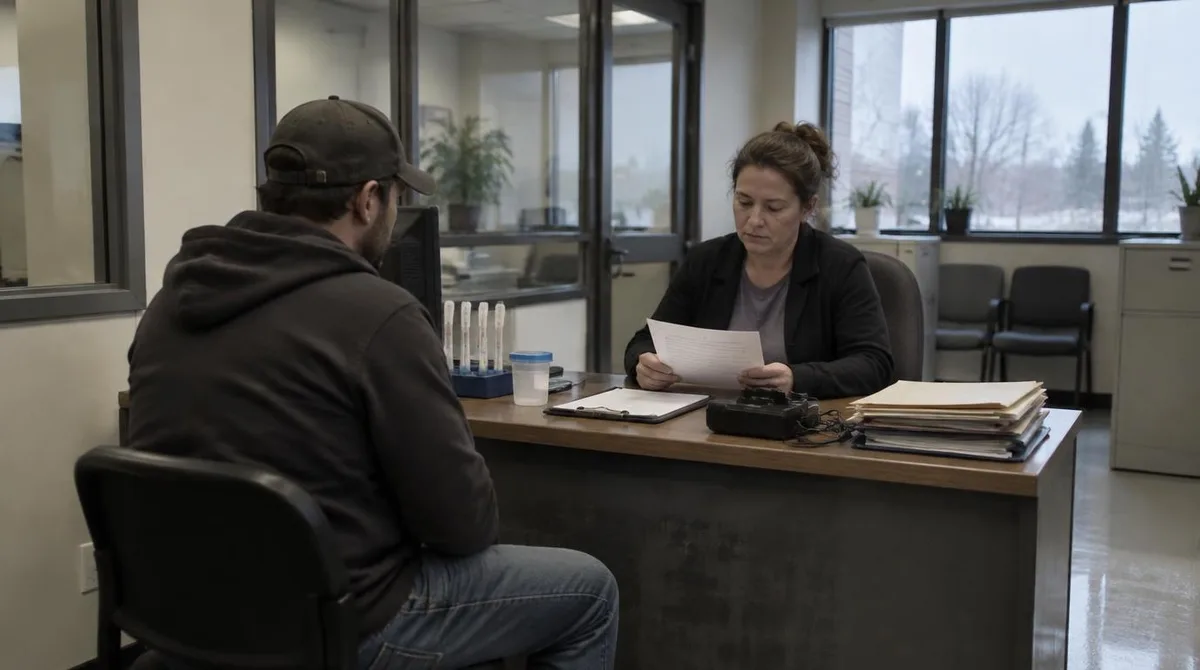
A court-ordered supervision period comes with rules, a reporting officer, and real consequences for breaking them. Here is how the terms work, and how they end.
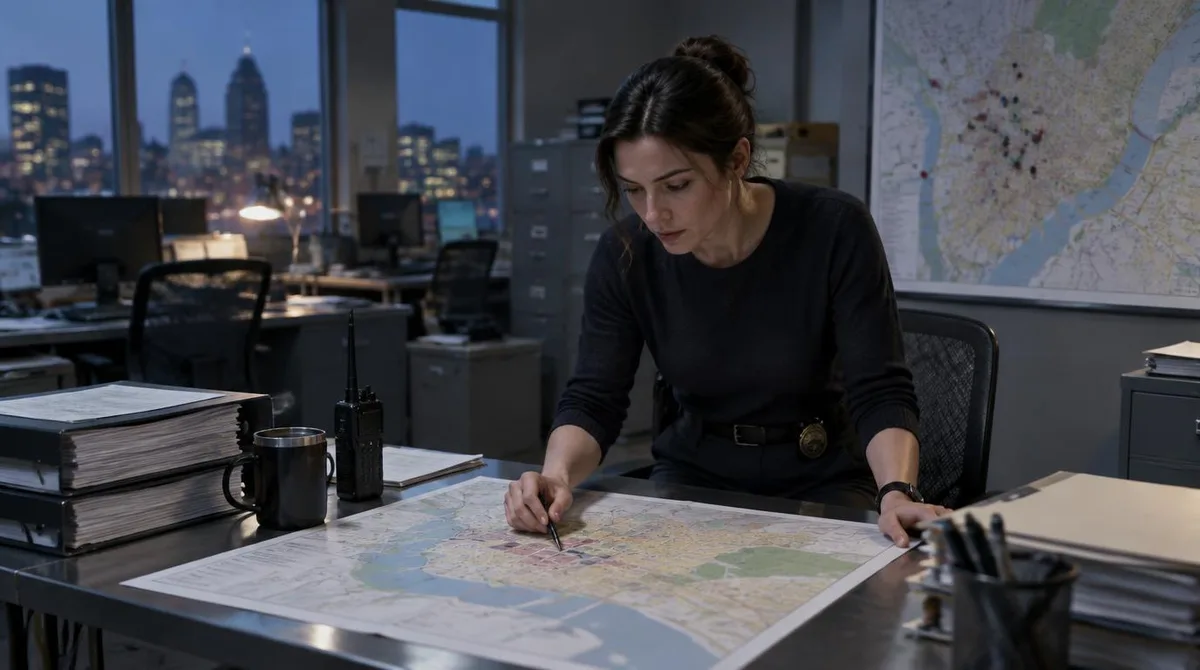
Predictive policing software sifts past incident records to rank places for patrol attention, and named studies have tested both its usefulness and its bias.
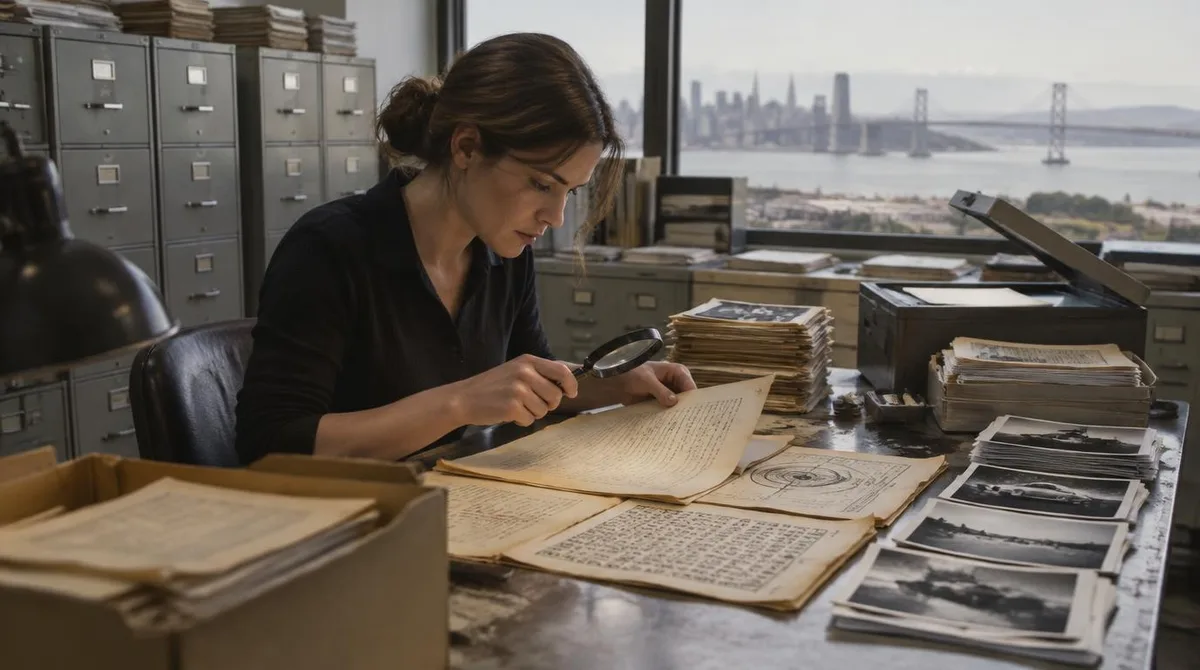
More than fifty years on, the case remains open. What the record actually supports, and what it does not.
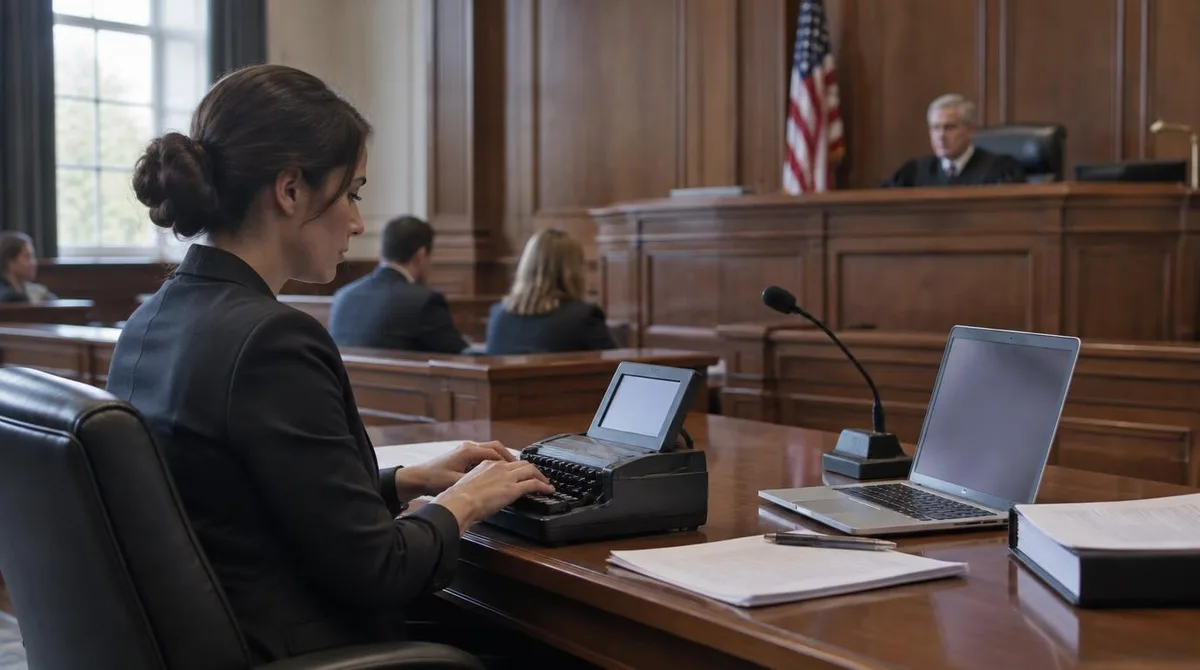
A court reporter takes down courtroom testimony word for word and turns it into the certified transcript that appeals rely on. Federal law requires verbatim recording of court proceedings, by stenograph, stenomask, or electronic sound recording.
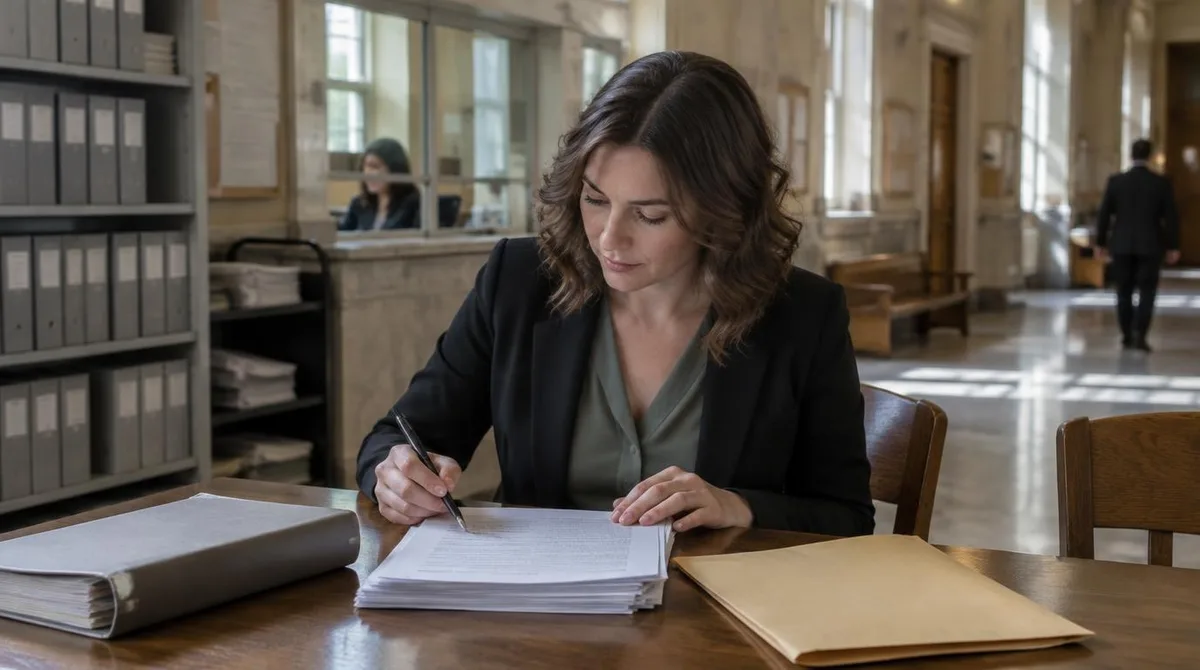
A docket is the court's public diary of a case. Here is how to decode its entries, from the first filing to the final order.
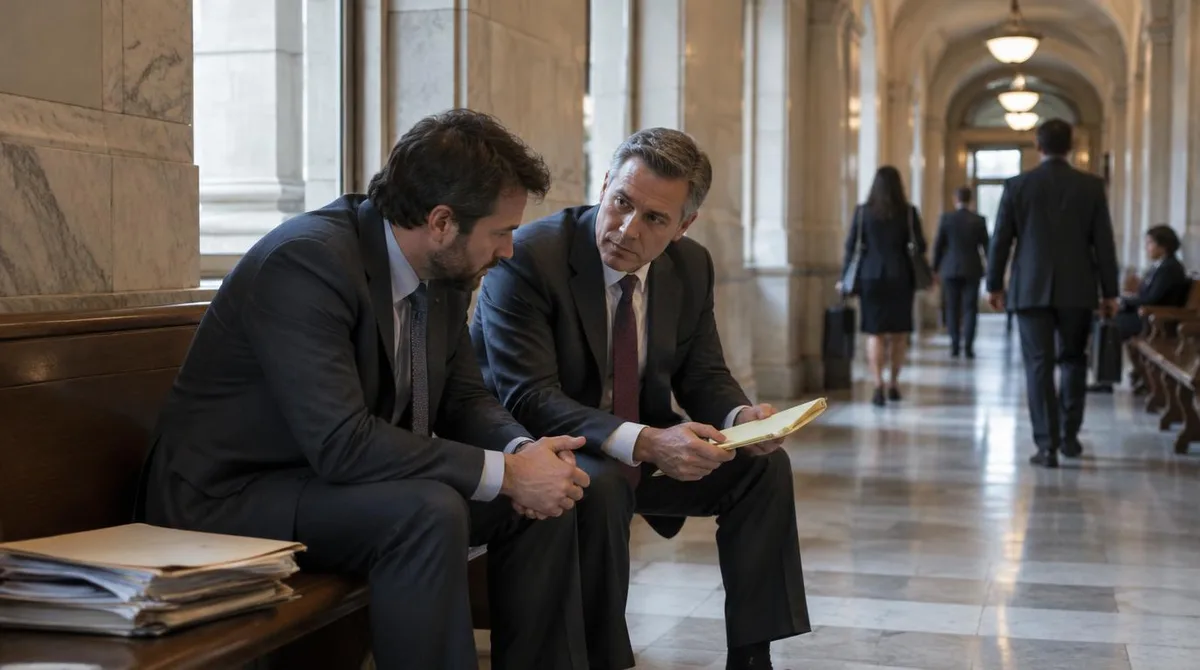
A plea bargain is a negotiated guilty plea in exchange for a lighter outcome. It is the machinery behind most convictions in the United States, and it works because a trial is a risk for both sides.
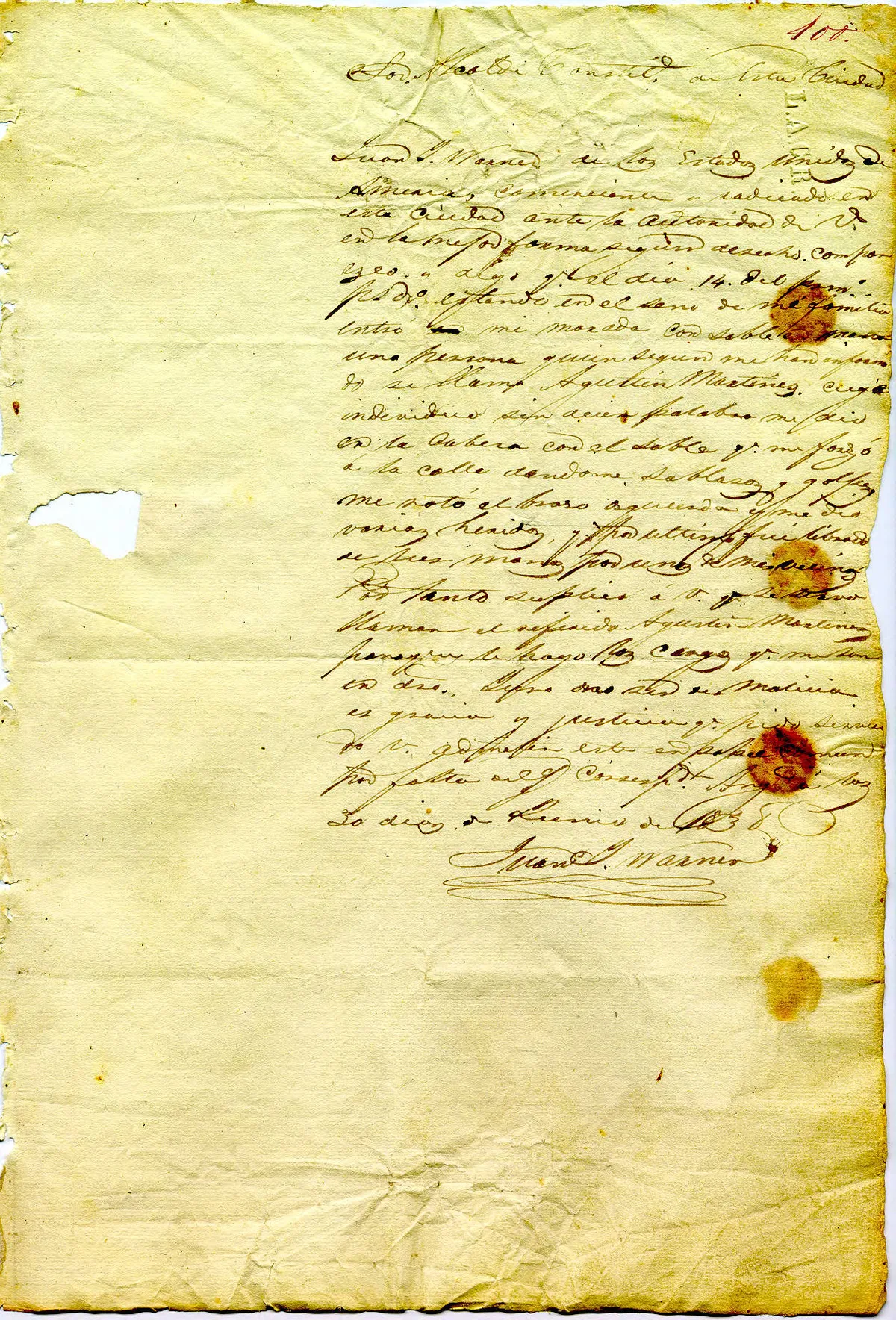
A criminal complaint is a written statement of the essential facts constituting an offense, made under oath and tested by a judge for probable cause before any arrest warrant issues.