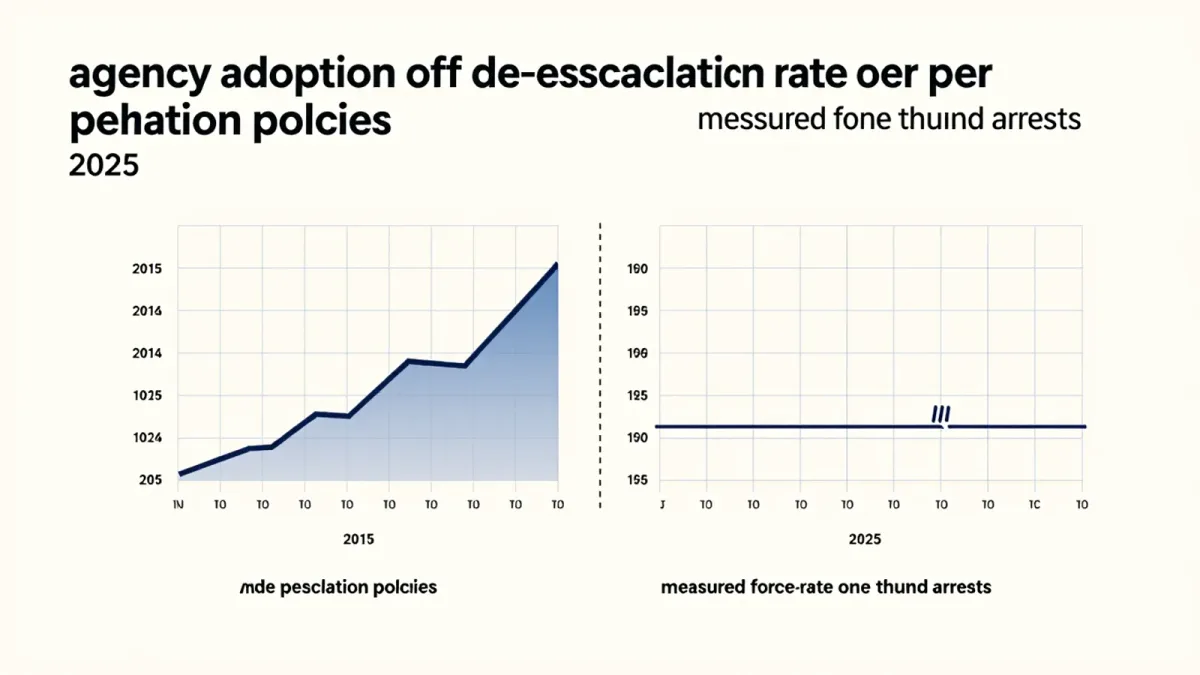
What de-escalation policies require, and how compliance is measured
Most large departments adopted de-escalation policies after 2020; whether officers comply shows up in force data, not in the policy manual.
Enforcement coverage from Daily Detective News.
Most large departments adopted de-escalation policies after 2020; whether officers comply shows up in force data, not in the policy manual.

Early intervention systems watch patterns in officer data — complaints, force, absenteeism — and promise to catch problems before discipline does, but the evidence on whether they work is thinner than their spread.

The analysts who map robbery patterns and series also sit beside the surveillance tools that collect data on people never charged with anything.

Oversight bodies exist in more than 200 American cities, but their authority depends entirely on what a city charter, a state law, or a union contract lets them see and do.
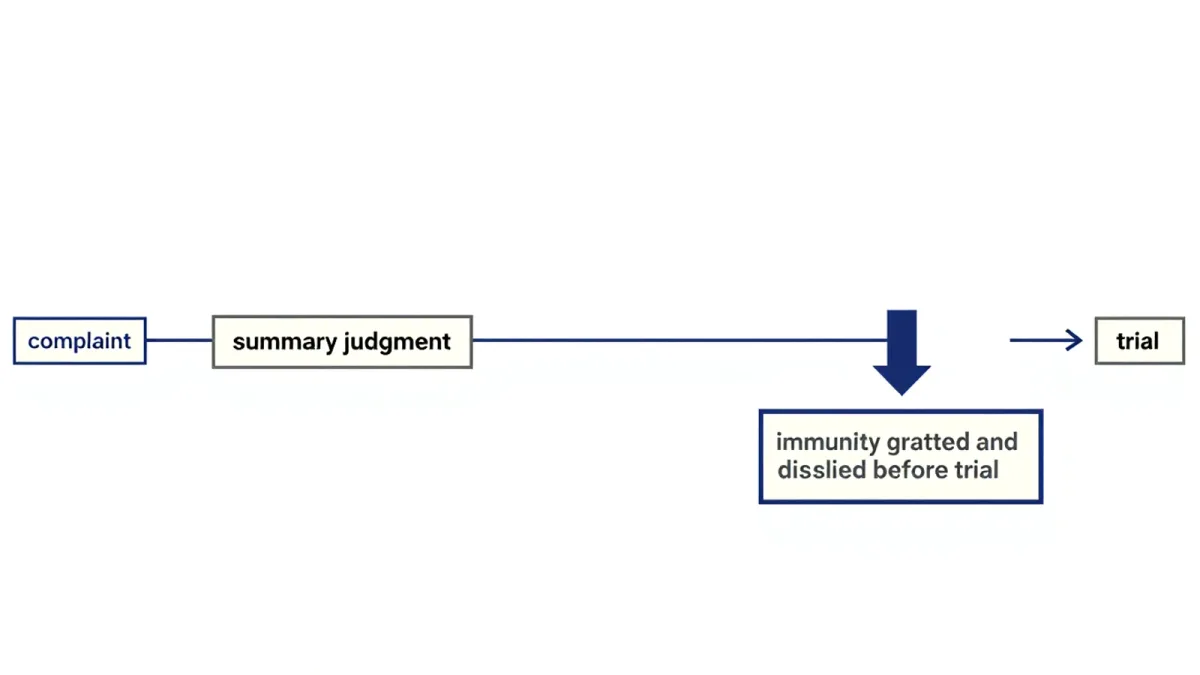
The doctrine shields officials from civil trials unless a prior case clearly established the right they violated — and it decides most police misconduct suits before a jury ever hears them.

Thousands of agencies operate without any accreditation at all, and even accredited departments can fail the public in ways a certificate never captures.