
How statutes of limitations work in criminal cases, and when the clock stops
Every offense has a filing deadline — five years for most federal crimes, decades or none for homicide — and a set of rules that can pause or extend it.
Legal explains criminal statutes, procedural rules and appellate reasoning in language a non-lawyer can follow. Each piece quotes the governing text, identifies the standard applied, and states what a ruling changes for future cases. Useful for defendants, students, journalists and practitioners needing a fast and accurate reference.
Legal coverage from Daily Detective News.
Every offense has a filing deadline — five years for most federal crimes, decades or none for homicide — and a set of rules that can pause or extend it.

The state of mind required for a crime — from purposeful conduct to plain negligence — often separates a conviction from an acquittal.
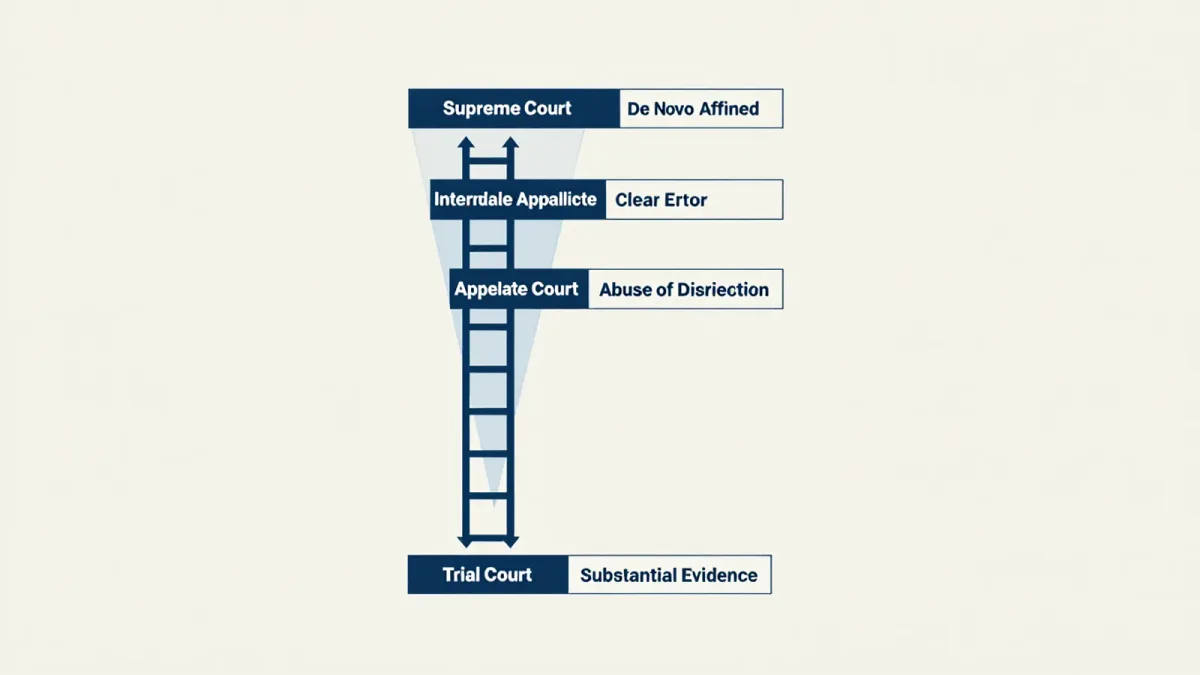
Appellate courts do not rehear cases; they ask a narrow question about the trial record — and the label attached to that question often decides the outcome.

The rule bars evidence gathered through constitutional violations — but exceptions for good faith, inevitable discovery, and standing limits swallow more than readers expect.
For two decades judges have had to calculate the guidelines — and then sentence outside them whenever the case justifies it.

The Fifth Amendment bars trying a person twice for the same offense — but separate sovereigns, hung juries, and appeals each carve out room.