How the Supreme Court chooses which criminal cases to hear
Fewer than one in a hundred petitions survives; here is how certiorari works, who screens the papers, and what a grant means for the criminal docket now taking shape for October Term 2026.
Justice News coverage from Daily Detective News.
Fewer than one in a hundred petitions survives; here is how certiorari works, who screens the papers, and what a grant means for the criminal docket now taking shape for October Term 2026.
Announced March 10, 2026, the policy consolidates how every DOJ component treats corporate crime cases — from voluntary self-disclosure to deferred prosecution and guilty pleas.

Proposed amendments published in January — covering career offender guidelines, human smuggling penalties, and sentencing options — closed a public comment period in March and a cycle that can rewrite federal sentences without Congress.
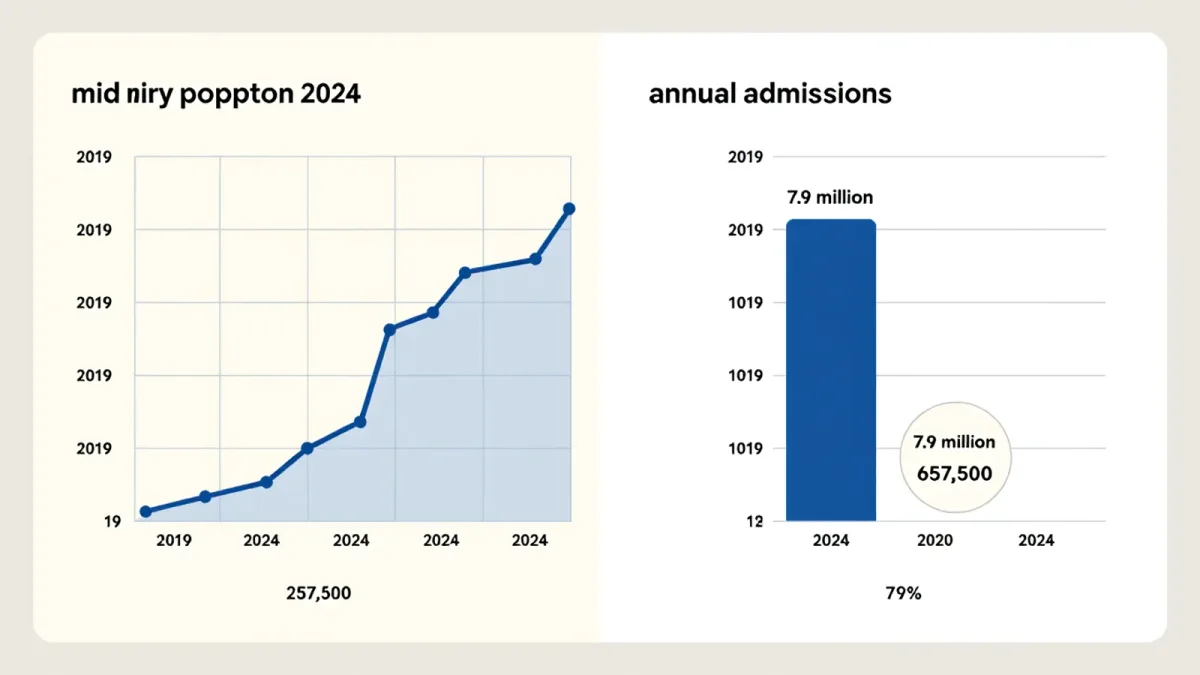
The Justice Department's statistical agency released early 2024 jail figures in December 2025, with 7.9 million annual admissions — and final tables still to come.
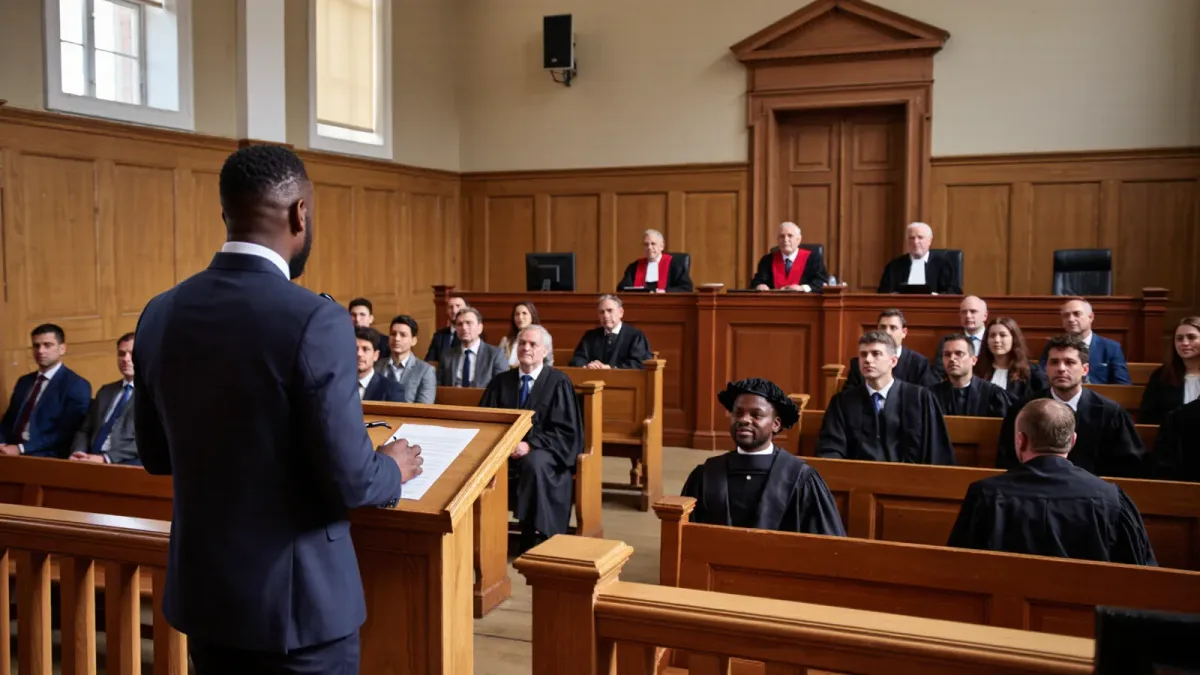
In State v. Tolbert, the Eighth District Court of Appeals reversed a suppression ruling and sent the case back after police did not tell the issuing judge that an algorithm, not a witness, supplied the suspect identification.
From California's roughly 800 new statutes to Illinois's removal of a prosecution time limit for involuntary servitude offenses, the new year reset the rulebook in courthouses across the country.