A consent decree is a court order that a police department agrees to, usually after a Justice Department investigation finds a pattern or practice of unconstitutional conduct, and a federal judge enforces it until independent monitors certify the department has changed. New Orleans operated under one for more than a decade; Seattle's decree, entered in October 2012, was terminated in 2023 after eight years of sustained compliance findings. The record shows decrees can move force numbers and complaint systems measurably — and that compliance, once achieved, is fragile politics away from being undone.
This article explains how the decrees are triggered, what they require, and what the monitoring record actually shows. It publishes information, not legal advice.
What gives the federal government power over a local police department?
The authority comes from a 1994 statute, now codified at 34 U.S.C. § 12601, passed after the videotaped beating of Rodney King. It lets the Justice Department sue a governmental entity when it has reasonable cause to believe officers' conduct is a pattern or practice that violates the Constitution or federal law. The department's findings documents — investigations of a whole agency rather than a single case — typically draw on thousands of incident files, ride-alongs, and interviews. The Chicago findings, issued in January 2017, followed the court-ordered release of dashcam video of the 2014 shooting of Laquan McDonald; the Minneapolis and Louisville findings came in June 2024, following the killings of George Floyd and Breonna Taylor.
What does a decree actually require?
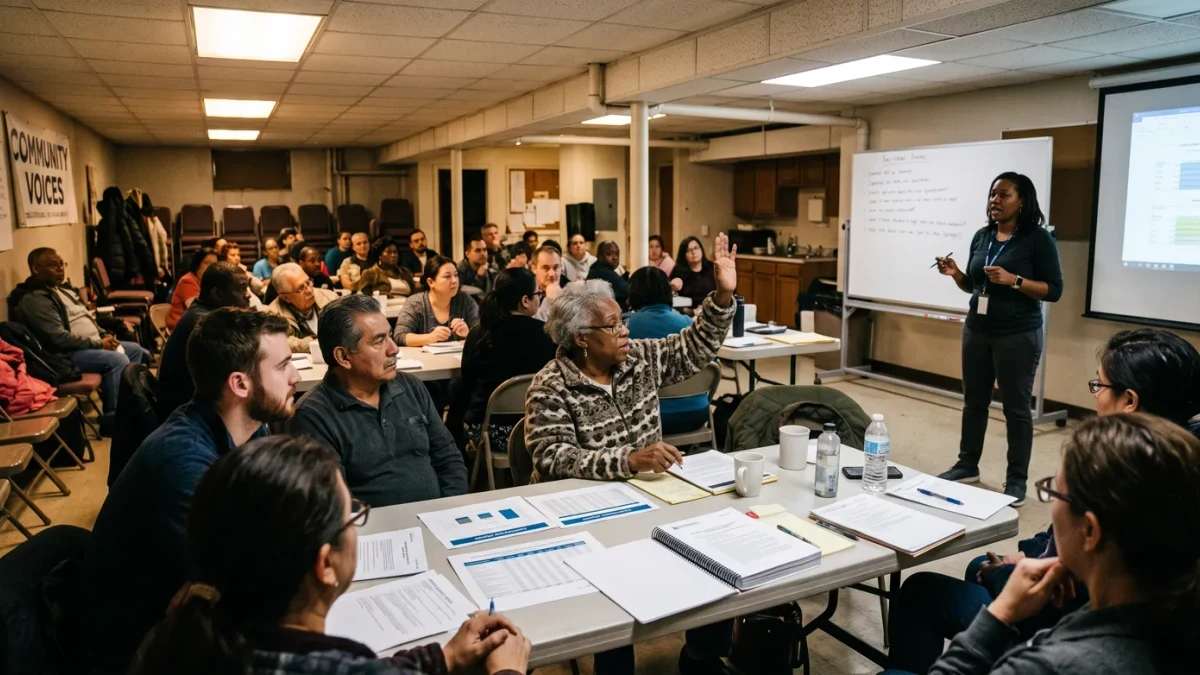
Most police decrees cover a familiar set of systems: use-of-force policy and reporting, crisis intervention, stops and searches, complaint intake and investigation, training, supervision, and data transparency. The requirements are process-heavy by design. A decree rarely says how many officers to hire; it says force must be reported, reviewed at multiple levels, and documented, and that reviewers must be trained and their findings recorded. Negotiations between the department and the Justice Department shape the text, with community input sessions feeding in; once a judge enters the decree, violating it is contempt of court, not a policy dispute.
Who serves as the monitor, and how is one chosen?
The parties negotiate a shortlist and the judge selects the monitoring team, which bills the city at professional-services rates set out in the decree. Monitors are not auditors of individual discipline cases and cannot fire or discipline officers; their tool is the public report. That limit matters. A monitor who finds a failed force review can document the failure and trigger a compliance remedy, but the consequence lands on the institution, and months can pass between a finding and a fix. Monitoring reports from Chicago, New Orleans, and Seattle all show the same rhythm: audits identify gaps, the department submits corrective action plans, and the next reporting period tests whether the fix held.
Who checks compliance, and over how long?
A court-appointed independent monitor — often a team of former police executives, attorneys, and policy specialists — audits the department in reporting periods, sampling force reports, complaint files, and body-camera footage. Departments are rated in phases, from policy adoption to training to actual practice. The Chicago monitor's first annual report, in January 2021, found the city in full or substantial compliance with only about 5 percent of the decree's paragraphs at that stage, which both the monitor and reform advocates described as early but sobering. By later reporting periods, compliance percentages had climbed, though monitors continued to flag gaps in supervision and in how investigators resolved complaints.
What do the measurable outcomes look like?
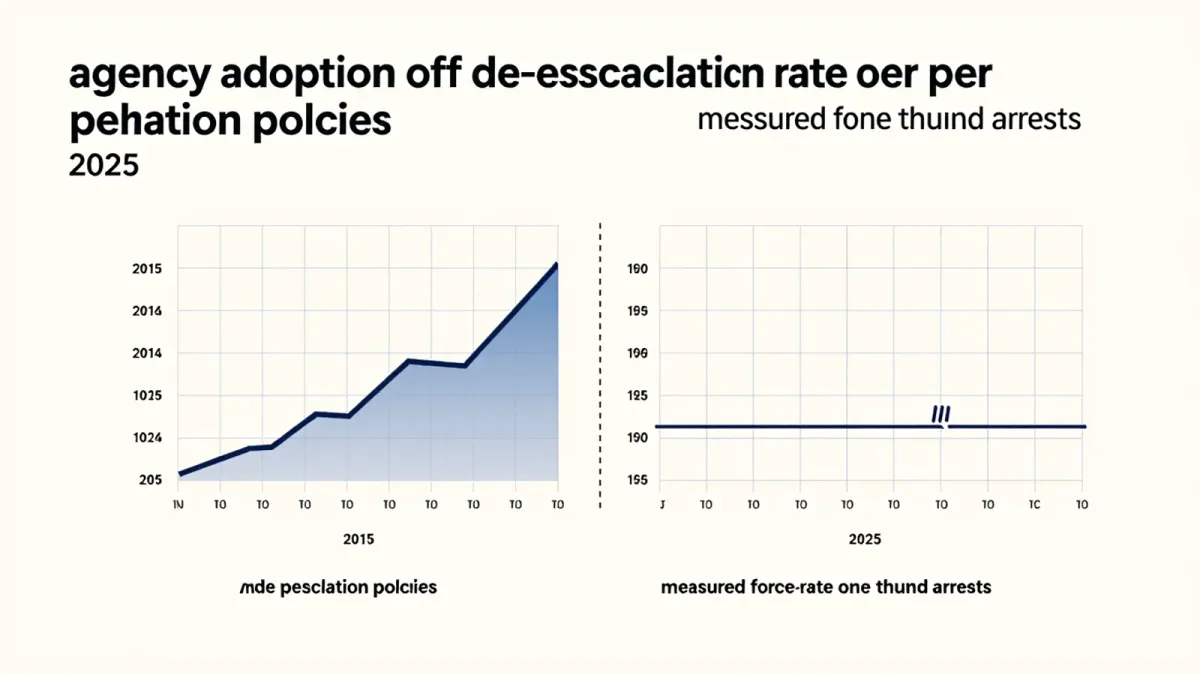
Seattle offers the fullest record. The city settled its case without an admission of liability in 2012, and by 2017 the monitoring team and the University of Washington researchers studying the decree reported steep drops in officer-involved shootings and in force used against people of different races, alongside stable crime rates. The decree was terminated in October 2023 after the judge found sustained compliance, but Seattle's own data systems, built under the decree, remain in place. New Orleans, under its 2013 decree, cut its complaint backlog and rebuilt its use-of-force review; monitors there have also documented setbacks, including periods when staffing shortages undermined supervision requirements. The pattern across cities is consistent: decrees reliably produce documentation, data, and policy; whether they change street-level conduct depends on supervision, and the evidence on that is thinner.
| Jurisdiction | Decree entered | Status, per public records |
|---|---|---|
| Seattle | October 2012 | Terminated October 2023 after sustained compliance |
| New Orleans | January 2013 | Still under monitoring, per monitor reports through 2024 |
| Chicago | February 2019 | Monitor reporting ongoing; phased compliance rates rising from a low base |
| Minneapolis | Negotiated after June 2024 findings | Court approval contested; the Justice Department moved in 2025 to withdraw from the agreement |
| Louisville | Negotiated after June 2024 findings | Same contested posture after the department's 2025 reversal |
How durable are consent decrees?
Less durable than their court status suggests. In May 2025 the Justice Department filed motions to dismiss the proposed Minneapolis and Louisville agreements, and a related department-wide memo directed attorneys against new pattern-or-practice negotiations, per the department's public filings. Federal judges in those cases retained oversight over the dismissal questions, and the litigation continued into late 2025. The episode illustrates the structure's central vulnerability: a decree depends on a plaintiff — the Justice Department — that changes priorities with each administration. Cities such as Chicago have responded by building state and local enforcement layers, including Illinois's own attorney-general authority over the Chicago decree.
What does the research say about whether decrees work?
Studies comparing decree cities to similar non-decree cities have found reductions in officer-involved shootings and, in some analyses, in complaints and force against Black residents, with crime rates largely unaffected. A frequently cited Government Accountability Office review of Justice Department pattern-or-practice work documented the program's scale but noted the department had not systematically measured long-term outcomes. The honest summary, per the published record: decrees demonstrably build paperwork systems that make misconduct visible; the link from visibility to changed behavior runs through supervision, staffing, and political commitment, none of which a court order guarantees.
What happens when a decree ends?
Termination removes the monitor, the reporting obligations, and the judge's enforcement power. What remains is whatever the city built: Seattle kept its use-of-force review structures and public dashboards after 2023. Reform advocates argue those local systems are the decree's real product; skeptics note that other terminated programs, such as Los Angeles's Rampart-era consent decree terminated in 2009, were followed by years of periodic concern that gains might erode without oversight. The Seattle and Los Angeles records, read together, suggest the durability question is answered city by city, not by the decree form itself.