The FBI's hate crime numbers are a voluntary patchwork: per the 2023 release, more than 11,800 incidents were reported — while hundreds of agencies, including entire state systems, submitted nothing at all.
A recidivism rate is only as specific as its definition: per BJS's landmark studies, about 68 percent of released prisoners were arrested within three years — but arrests, convictions, and re-imprisonment tell three different stories.
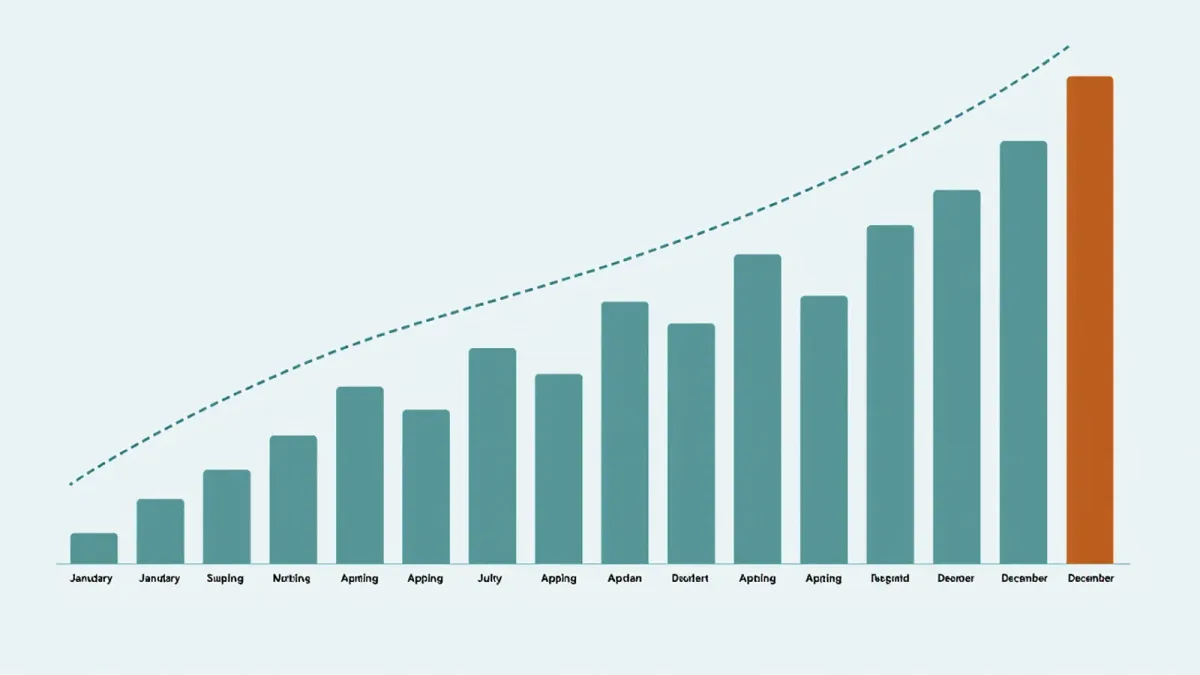
Decades of FBI records show violence and most property crime rising in summer and falling in winter — a pattern stable enough that analysts adjust for it before declaring any trend.
Exceptional clearance closes an offense with no arrest and no prosecution, on the agency's own judgment — a status researchers say is used unevenly enough to distort the clearance rates built on it.
Published crime numbers are drafts, not verdicts: agencies amend submissions, the FBI re-estimates, and BJS redesigns — which is why a headline figure can move months after it is released.
The National Crime Victimization Survey interviews households directly, and its numbers routinely exceed police counts by a wide margin — the gap is a measurement fact, not an accusation.