Topic
Public defenders: inside the system's hardest job
Who they are, what the caseload looks like, and why the job shapes outcomes for everyone who cannot afford a lawyer.
Who they are, what the caseload looks like, and why the job shapes outcomes for everyone who cannot afford a lawyer.
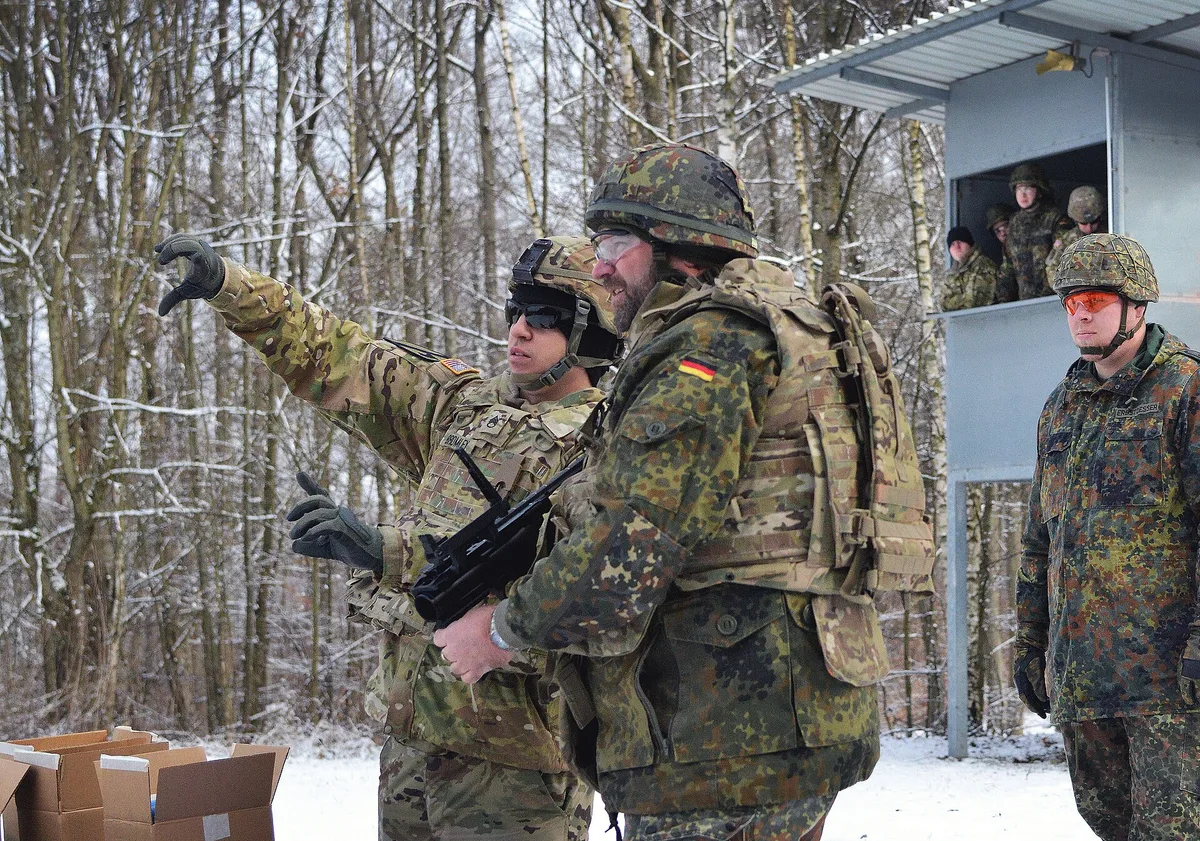
Military police forces sit inside the armed services, enforce a separate legal code, and answer to a chain of command. Here is how that system works, and where its authority ends.
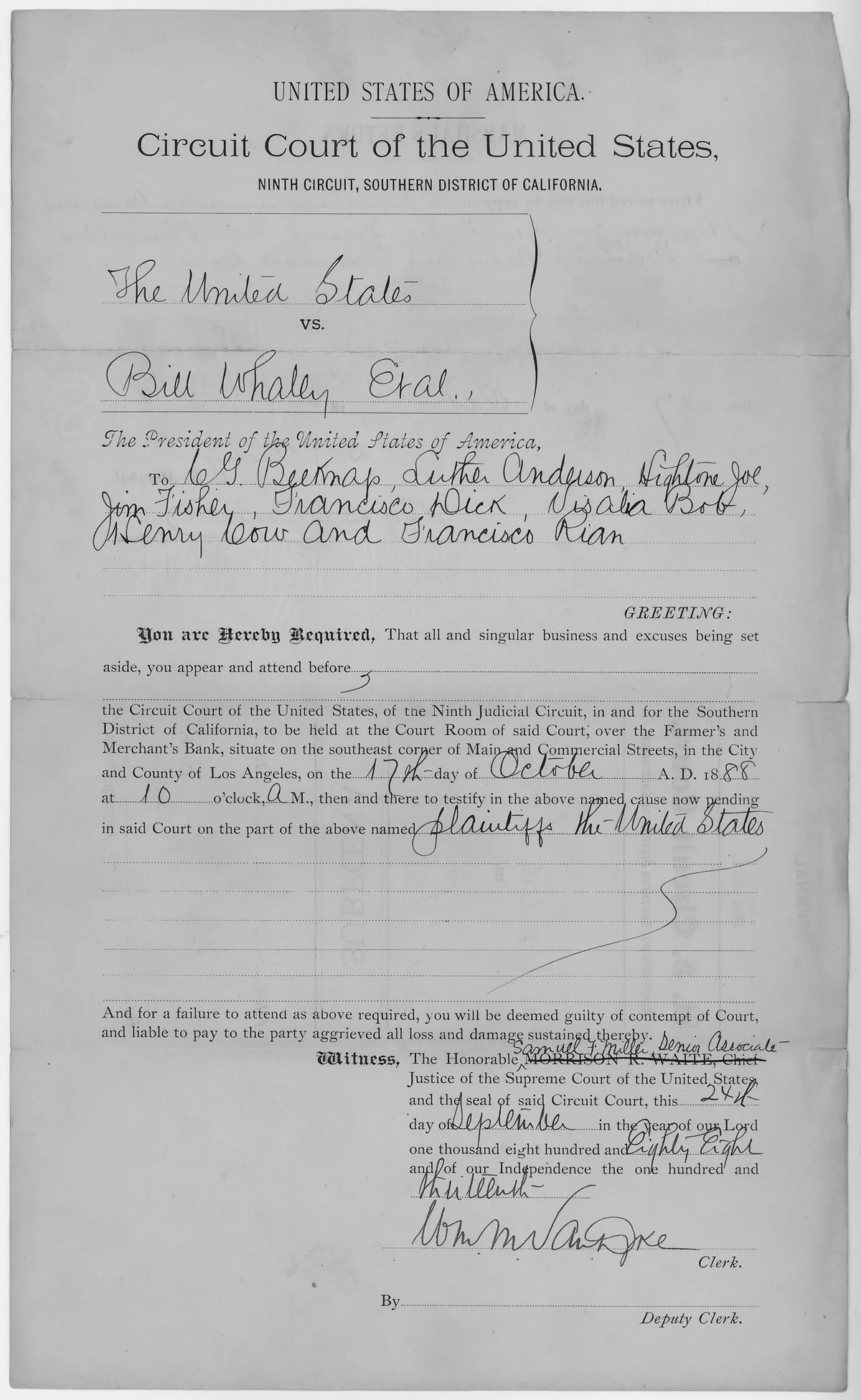
A subpoena is a court order that compels testimony or evidence, and ignoring one carries penalties. This guide explains both types, the exceptions, and your options.
A federal grand jury is a closed-door screening body of 16 to 23 citizens with subpoena power. Here is who sits on it, what happens inside, and how an indictment gets endorsed.
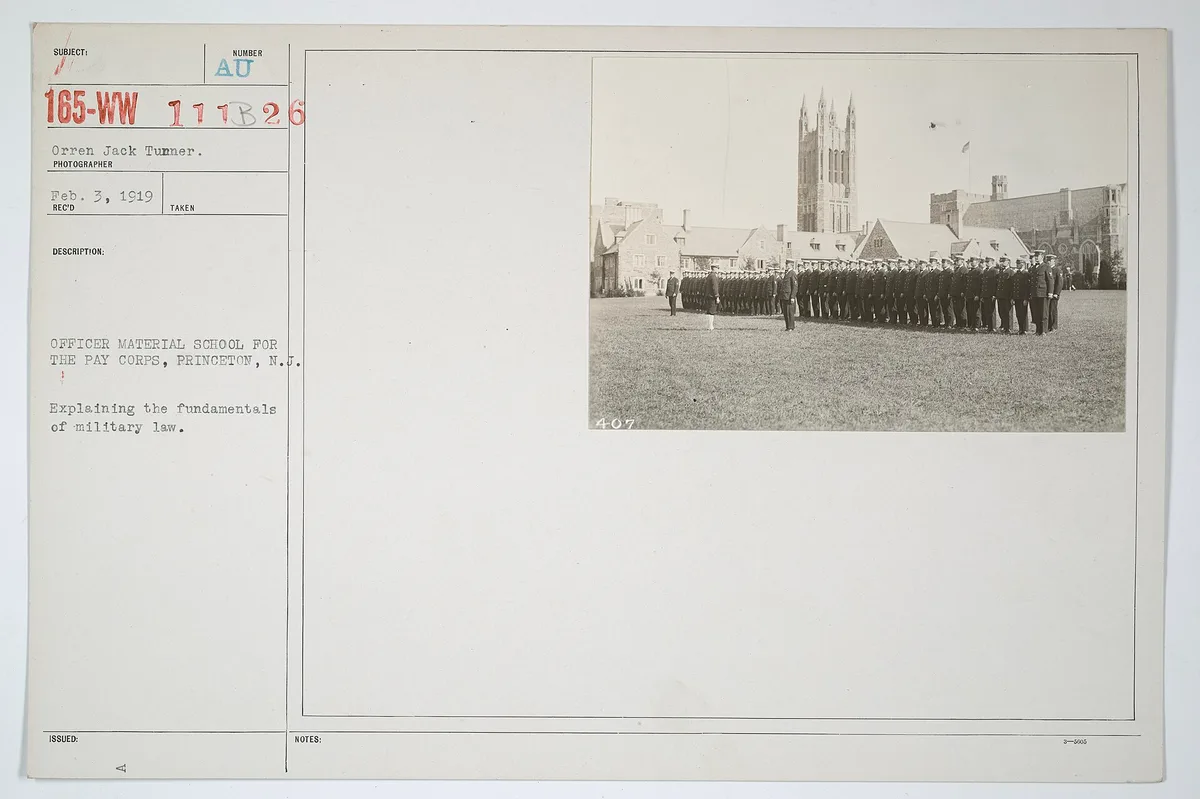
Service members answer to a separate legal code, a separate court system, and a chain of command that civilian defendants never face.
A subpoena is a court order, not a suggestion. Here is what the two types demand, who can issue them, and what contempt can mean.
Online legal services handle paperwork well. They do not represent you, and knowing the difference decides whether they are enough.
Rank means different things in a city department, a sheriff's office, and a federal agency. Here is how the hierarchies fit together, and where they do not.
A long-form crime feature is not finished when the writing is done. Legal review, fact-checking and ethics decisions decide what readers finally see.